
How Architects Are Balancing Conservation and Contemporary Living
December 23, 2025
In the modern world, architecture is really held at the intersection of responsibility and ingenuity. As the cities keep growing denser and lifestyles keep changing, architects get more assignments entailing the conservation of the culture of a people on one hand and in the creation of spaces that are fairly suitable for the modern way of life on the other. All this also comes with sensitivity to history, understanding of the current social needs, and finding a way to adapt traditional structures without decaying their identity.
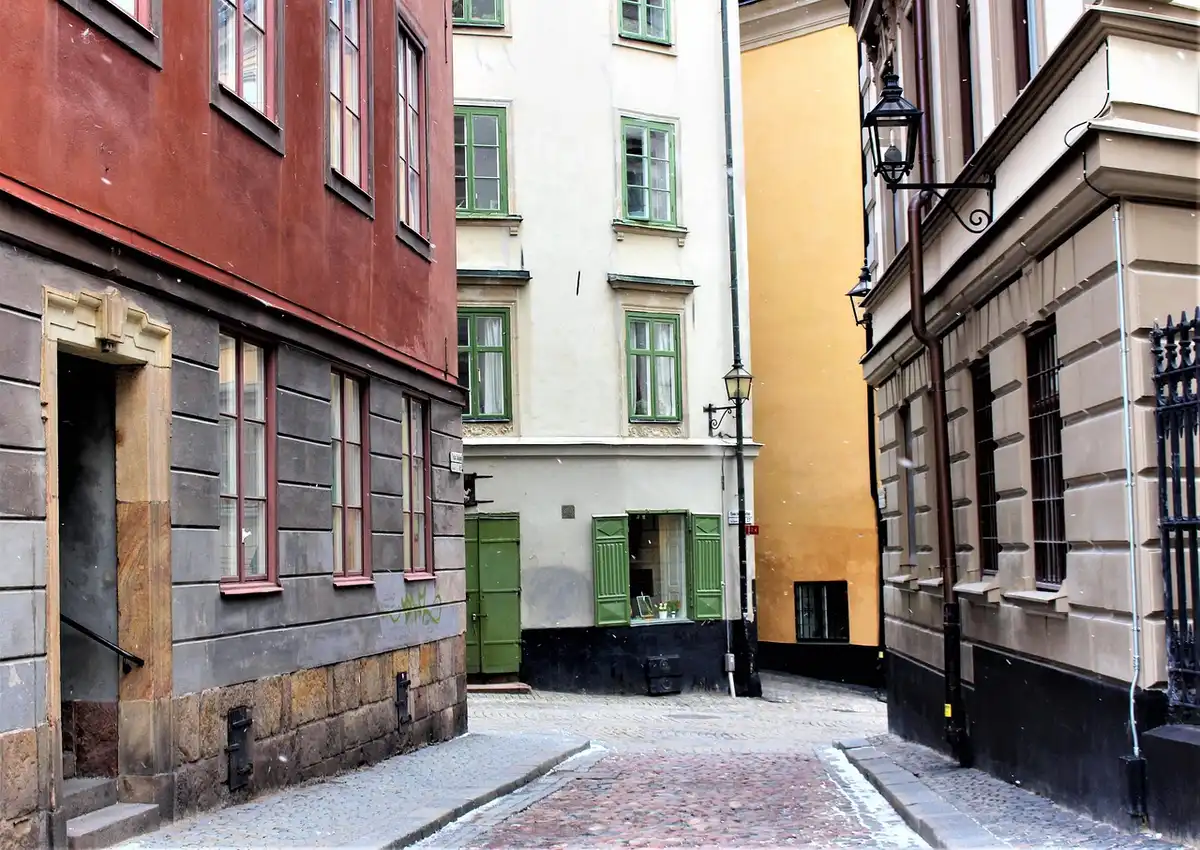
Respecting the Past While Designing for the Present
Old buildings have more values other than just the aesthetic value and these values included social, cultural and architectural significance. Restoration architects often commence the process of restoring old buildings by understanding how the buildings were originally constructed such as the methods and materials that were used and would enrich their understanding of the space as well. This understanding helps to make alterations that protect the history of the building but at the same time enable the structure to be fully used in the present day. A well-thought-out heritage home renovation work can also ensure retention of key elements such as form, scale, and interior detailing but in subdued terms integrate necessary modern functionalities such as insulation, heating and ventilation, spatial re-arrangement among others.
The conservation constraint is regarded as an impetus to many designers’ design and creativity, rather than a bar. Embellishments of the original structure often make allotment of space and choice of materials more reallocated and also the spaces appear more stratified and real rather than fabricated.
Adaptive Reuse as a Sustainable Strategy
Nowadays, adaptive reuse would become one of the most resourceful methods that cohere conservation with modern-day living. Retrofitting the already standing buildings first and foremost lessens demolition needs and puts into minimum terms the seriousness of new environmental impact together with sustainability conservation of the almost expended energy. More often than before, architects would convert deroofed industrial complexes, disused warehouses, and other former civic buildings into residential units, galleries, and mixed-use configurations.
The fresh impulse must strike a perfect balance between old and new. Designed to contrast somewhat aggressively with the remnants, the modern build-out all the more harmoniously contributes to the beauty of the inheritance allusions and the evolution of their legacy over the passage of time. Such creativity will therefore contribute to reinforce the integrity of an architectural feature whilst also catering to the current state of technology, safety, accessibility, and living standards.
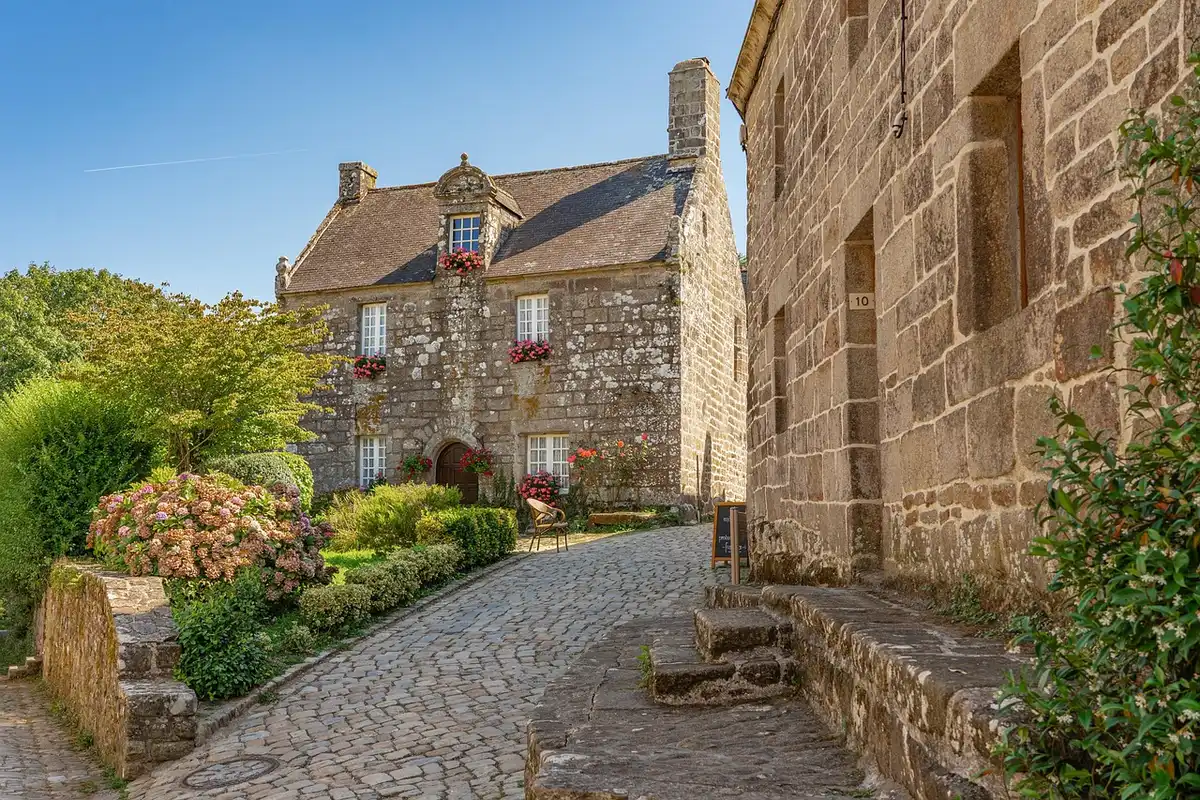
Responding to Modern Lifestyles and Social Change
In today’s world, every aspect of living is centered on agility, technology and rapid changes in the family systems. Architects should aim to achieve a balance where the design of spaces allows remote working, interdependency of resources as well as accommodating intra structural changes in the family against the same functional space structure. As most buildings are designed with open spaces, making their partitions, bringing in more light, and even changing the layout of the dining room itself, are some of the main requests.
Similarly, It is observed that recent trends have changed the way people construct shared spaces. Most residential interiors now feature one or even several communal kitchen areas that navigate interactiveness and optimal space utilization as well as business functioning. This is even within the new adaptive housing especially in such serene areas and the consideration of co-living investment purposes. Hence, the designing of the interior spaces is a vital feature so as to ensure each individual client preference in terms of privacy and power of institutions is catered for.
Material Choices That Bridge Eras
Materials are the connecting link in connecting designs of conservation to our time. Architects indulge in the conservation, retention, and reuse of the primary materials such as brick, stone, wood, and metal as much as possible. The introduction of new materials should take care to choose those having longevity as well as environmental-friendly and within the given construction.
New materials could complete the historic elements and, in parallel, bring in a modern dialogue, vis-a-vis glass, steel, and engineered timber. The interplay of materials helps to make recent objects seem purposefully and truthfully set there rather than merely imitating something. The result is architecture that acknowledges its past while clearly belonging to the present.
Navigating Regulations and Community Expectations
Balancing determination and evolution calls for working out the regulations with also those approximately emotional aspects of community. In different ways, heritage controls, town-planning laws, and zoning regulations hold considerable sway on the design language. Architects have an encrypted duty to unite with planners, conservation professionals, and local stakeholders in order to present a design developable with both compliance and contextual appropriateness.
Community engagement processes are ever getting acknowledgment. Residential areas are particularly attached to conservation methodologies for heritage monuments. It can be well perceived as an inventive topic for concern where access to consultancy or information is much appreciated. Approval by community work basically comes through trust in transparency from draft design and communication to general consensus.
The Future of Conservation in Contemporary Architecture
As environmental and social pressures continue to shape the built environment, the integration of conservation and contemporary living will remain a central architectural challenge. Advances in building technology, digital modeling, and sustainable materials are giving architects new tools to adapt historic structures responsibly.
Rather than viewing preservation and progress as opposing forces, the profession increasingly understands them as complementary. Thoughtful design can protect architectural heritage while creating spaces that are comfortable, efficient, and relevant to modern life. This balance ensures that historic buildings remain active contributors to cities rather than static relics, enriching the urban landscape for future generations.
Comments on this guide to How Architects Are Balancing Conservation and Contemporary Living article are welcome.
Property Design
Recently added Building posts
The U.S. Cities Leading the Green Revolution
++
Buildings
Comments / photos for the How Architects Are Balancing Conservation and Contemporary Living page welcome.


