Molding Company USA and Commercial Architecture Offices
December 22, 2025
Inside the Partnership Between a Molding Company USA and Commercial Architecture Firms
When a commercial building project moves from concept to completion, dozens of specialized partners need to work in sync. One relationship that often determines whether a project stays on schedule is the collaboration between architects and molding companies. These partnerships involve more than just placing orders and waiting for parts to arrive. The reality is much more hands-on, with continuous communication, technical problem solving, and on the fly adjustments that keep everything moving forward.
Understanding how these collaborations actually work can help anyone involved in commercial construction make better decisions about timing, budgets, and quality expectations.

The Initial Consultation Phase
Most successful partnerships start well before any formal contracts get signed. Architects typically reach out to a molding company USA during the early design phase, sometimes when the building is still just sketches and rough measurements. This early contact matters because it prevents costly redesigns later.
During these first meetings, architects share their vision for the space while molding specialists assess what’s actually feasible. An architect might want custom interior components with specific dimensions, materials, or finishes. The molding company reviews these requirements against their manufacturing capabilities, lead times, and cost parameters. This back and forth often leads to design modifications that work better for both parties.
What makes this phase valuable is the honest feedback. An experienced molding company can spot potential manufacturing issues that might not be obvious on a blueprint. Maybe a proposed wall panel design would require an expensive mold that could be avoided with a minor dimension change. Or perhaps the specified material won’t hold up well in the building’s intended environment. Catching these issues early saves weeks or months down the line.
Digital Prototyping and Design Refinement
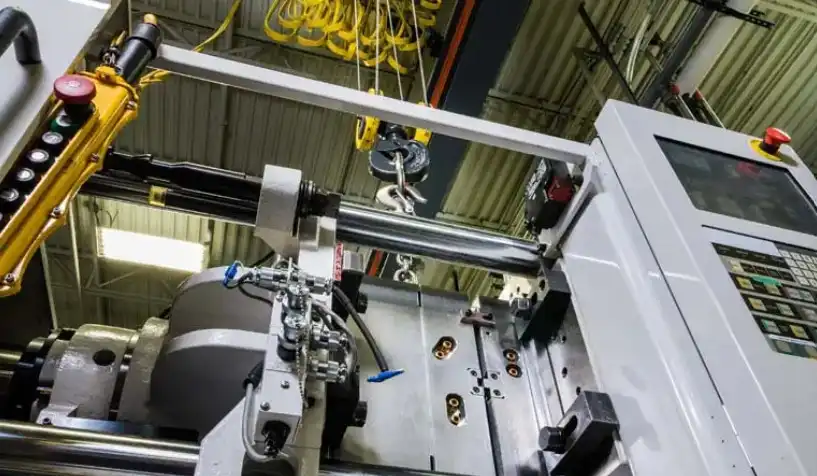
Once the basic parameters are established, the work moves into digital prototyping. Modern molding companies use CAD software to create detailed 3D models of every component. These digital prototypes get shared with the architectural team, who can then integrate them into their building information models.
This digital collaboration solves a problem that used to plague commercial projects. In the past, miscommunications between architects and manufacturers often led to parts that didn’t fit correctly when they arrived on site. Now, both parties can review the same digital files, spot conflicts, and make adjustments before any physical production begins.
The iterative process here can involve multiple rounds of revision. An architect might request a specific profile for an interior trim piece, only to realize after seeing the 3D rendering that it doesn’t match the overall aesthetic. The molding company USA adjusts the design, sends new renderings, and the cycle continues until everyone agrees. While this might sound time-consuming, it’s far faster than producing physical samples and shipping them back and forth.
Some molding companies have started using virtual reality tools to let architects “walk through” spaces with the proposed components in place. This technology has reduced revision requests significantly because stakeholders can visualize the final result more accurately.
Material Selection and Testing
Choosing the right materials for molded components involves more considerations than most people realize. Commercial buildings have specific requirements for fire resistance, durability, maintenance, and environmental impact. A molding company working with architects needs to balance all these factors while staying within budget.
The material selection process often involves sending physical samples to the architect for approval. These samples let everyone evaluate color, texture, and finish quality in real lighting conditions rather than relying on computer screens. For large projects, architects might request samples in multiple material options to compare performance characteristics.
Testing becomes particularly important for components that need to meet building codes or industry standards. Some molded parts might require flame spread testing, impact resistance verification, or chemical resistance analysis. The molding company typically handles coordinating these tests with certified laboratories, then provides documentation to the architectural firm for inclusion in permit applications.
This phase can reveal unexpected challenges. A material that looked perfect in samples might not perform well in accelerated aging tests. When this happens, the molding company and architect need to quickly identify alternatives that still meet the design intent. Having established communication channels makes these pivots much smoother.
Production Planning and Timeline Coordination
Once designs are finalized and materials approved, the focus shifts to production logistics. This is where the partnership really impacts project timelines. A molding company needs to slot the work into their production schedule while the architect needs to coordinate with general contractors, other suppliers, and construction milestones.
Smart scheduling requires transparency from both sides. The molding company provides realistic timelines based on their current workload, tooling requirements, and material lead times. The architect shares the construction schedule, identifying windows when specific components need to arrive on site. Miss these windows, and the delay can cascade through the entire project.
Many molding companies now assign dedicated project managers to large commercial jobs. These managers become the single point of contact for the architectural firm, handling questions about production status, shipping logistics, and any issues that arise. This streamlined communication prevents the confusion that can happen when multiple people are trying to coordinate complex orders.
For projects with tight deadlines, some molding companies offer expedited production options. This might involve running extra shifts, prioritizing certain jobs, or splitting production across multiple facilities. These accommodations come at a premium, but they can save a commercial project from expensive delays.
Quality Control and Pre-Shipment Verification
Before any components leave the manufacturing facility, they go through inspection processes designed to catch defects or deviations from specifications. For commercial projects, this quality control phase often involves the architectural team directly.
Some architects request the right to inspect components before shipment, particularly for visible parts that affect the building’s appearance. The molding company accommodates these visits, setting up viewing areas where samples from the production run can be examined. This gives architects confidence that what arrives on site will match their expectations.
Documentation plays a big role here too. The molding company provides inspection reports, material certifications, and compliance documentation that architects need for project records. These paper trails become important if any questions arise during building inspections or years later if warranty issues come up.
When issues are discovered during quality control, quick decision-making becomes critical. If a batch of components doesn’t meet specifications, the molding company and architect need to determine whether the deviation is acceptable, requires rework, or necessitates a complete reproduction. These decisions balance quality standards against timeline pressures.
On-Site Coordination and Installation Support
The relationship between a molding company and architect doesn’t end when the delivery truck pulls away. Installation often reveals fit issues, damage during shipping, or unexpected site conditions that require adjustments.
Progressive molding companies provide technical support during installation. This might involve sending a representative to the construction site to assist with assembly, answer installer questions, or troubleshoot problems. Having someone with manufacturing knowledge on site can resolve issues in hours that might otherwise take days of back and forth communication.
Sometimes on-site conditions differ from what the architectural drawings showed. Concrete walls might be slightly out of plumb, ceiling heights might vary, or other building elements might interfere with the planned installation. When this happens, the molding company may need to quickly produce modified components or fabricate adapter pieces that make everything work together.
The ability to respond quickly to these field conditions separates exceptional molding partners from average ones. Companies that maintain some production capacity for rush modifications, keep common materials in stock, and have flexible scheduling can keep commercial projects moving when unexpected issues arise.
The Bottom Line on Timeline Acceleration
Commercial building projects face constant pressure to move faster without sacrificing quality. The partnership between architects and molding companies directly impacts how well projects meet these competing demands.
What accelerates timelines isn’t rushing through steps or cutting corners. It’s the opposite. Early involvement, thorough communication, digital collaboration tools, realistic scheduling, and responsive problem-solving all contribute to smoother workflows. When a molding company and architect work together effectively, fewer surprises pop up, decisions get made faster, and the entire project benefits.
For anyone managing commercial construction projects, paying attention to these supplier relationships makes sense. The cheapest molding company or the one with the fastest quoted lead time isn’t necessarily the best choice. The best choice is often the one that demonstrates strong collaboration skills, clear communication, technical expertise, and a genuine commitment to making the project successful.
These partnerships matter because commercial buildings are complex systems where everything needs to work together. When the collaboration between architects and molding companies functions well, it creates momentum that carries through the entire project timeline.
Comments on this guide to Molding company USA and commercial architecture firms article are welcome.
Home DIY Tools
DIY Tools – Do it yourself
DIY Home Improvement Projects Tools
Comprehensive toolkit for architectural design projects
Essential power tools for home DIY enthusiasts
++
Building Articles
Comments / photos for the Molding Company USA and Commercial Architecture Offices page welcome.