

Borges Wine Cellar, Sabrosa, northern Portugal
24 February 2026
Architects: Em Paralelo
Location: Sabrosa, Douro Valley, northern Portugal

Photos: Ivo Tavares Studio
English text (scroll down for Portuguese):
In Sabrosa, in the heart of the Douro Valley, rises the new Borges Winery, a project that seeks to translate the very essence of wine into architecture: time, matter, and landscape. More than an industrial building, this winery is conceived as a place of transformation and memory, where the grape becomes heritage and the territory finds its built form.

The architectural proposal results from the merging and reorganisation of two plots, uniting them into a single coherent volume capable of housing the entire production process of Vinhos Borges, one of the oldest and most renowned wine houses in the Douro.

This intervention aims not only to optimise the available area — which totals around 4,000 m² at ground level, with a 1,000 m² basement and a 328 m² mezzanine — but above all to create a new collective image, harmonious and fully integrated into the region’s undulating topography.

The placement of the building stems from a careful dialogue with the land, defined by a natural slope from north to south. The architecture finds its axis at the centre of the plot, balancing the structure between the soil and the horizon. Thus, to the north, the construction appears more sheltered, partially embedded in the ground; to the south, it rises slightly, allowing natural ventilation and a lighter reading of the volume.

Materiality is the project’s first poetic gesture. The local schist stone clads portions of the building, anchoring it to the ground and evoking the slopes of the Douro.

Metal panels in wine-inspired tones complement this gesture, reflecting the deep hues of the wine and the warm light of the landscape. Broad glass panels open the building to the outside, transforming the main façade into a window over the territory — where the interior and the valley converse in a subtle play of reflections and transparencies.

Inside, the space is organised according to the production process. The central area is the heart of the winery, where large stainless-steel vats rest, surrounded by maintenance walkways that reveal both the technical precision and the almost sculptural scale of the winemaking act. At the ends and within the mezzanine are the administrative and social areas, designed with the same care that defines the whole.


The roof, with its uniform height, preserves the sobriety of the volume, while slight interior level variations allow for a ceiling height exceeding seven metres — essential to the scale of the fermentation process. Outside, small green intervals between volumes dematerialise the façade and integrate the building into the landscape, creating a visual rhythm that breathes with the terrain.

The Borges Winery is, therefore, more than a building: it is a silent manifesto of time and matter. Between schist and wine, between light and shadow, between the human gesture and the rhythm of nature, architecture becomes a continuation of the vineyard — the place where the earth is transformed into legacy.”
Written by the architecture studio


Portuguese text:
Adega Vinhos Borges, Douro Vinhateiro
Em Sabrosa, no coração do Douro Vinhateiro, nasce a nova Adega Borges, um projeto que procura traduzir em arquitetura a essência do vinho: o tempo, a matéria e a paisagem. Mais do que um edifício industrial, esta adega é pensada como um lugar de transformação e memória, onde a uva se torna património e o território encontra a sua forma construída.

A proposta resulta da junção e reorganização de dois lotes, unificando-os numa única volumetria coerente, capaz de acolher todo o processo produtivo da marca Vinhos Borges, uma das mais antigas e reconhecidas casas do Douro.


Esta intervenção não pretende apenas otimizar a área disponível — que totaliza cerca de 4000 m² ao nível do rés do chão, com uma cave de 1000 m² e um mezanino de 328 m² , mas sobretudo construir uma nova imagem de conjunto, harmoniosa e integrada na topografia sinuosa da região.

A implantação resulta de um diálogo atento com o terreno, marcado por uma pendente natural de norte para sul. A arquitetura encontra o seu eixo a meio do lote, equilibrando o edifício entre o solo e o horizonte. Assim, a norte a construção surge mais abrigada, parcialmente enterrada; a sul, eleva-se ligeiramente, permitindo ventilação natural e uma leitura leve da volumetria.

A matéria é o primeiro gesto poético do projeto. O xisto da região reveste partes do edifício, ancorando-o ao solo e lembrando as encostas do Douro. Os painéis metálicos em tonalidades vínicas complementam este gesto, refletindo as cores profundas do vinho e a luz quente da paisagem. Grandes panos de vidro abrem o edifício ao exterior, transformando a fachada principal numa janela sobre o território — onde o interior e o vale conferenciam num jogo subtil de reflexos e transparências.

No interior, o espaço organiza-se em função do processo produtivo. A zona central é o coração da adega, onde repousam as cubas de inox de grande porte, envoltas por passadiços de manutenção que revelam o rigor técnico e a dimensão quase escultórica do ato de vinificar. Nas extremidades e no mezanino, encontram-se as áreas administrativas e sociais, pensadas com o mesmo cuidado que define o conjunto.

A cobertura, de cércea uniforme, preserva a sobriedade da volumetria, enquanto ligeiros desníveis interiores permitem um pé-direito superior a sete metros, necessário à escala do processo de fermentação. No exterior, pequenos intervalos verdes entre volumes desmaterializam a fachada e integram o edifício na paisagem, criando um ritmo visual que respira com o terreno.

A Adega Borges é, assim, mais do que um edifício: é um manifesto silencioso sobre o tempo e a matéria. Entre o xisto e o vinho, entre a luz e a sombra, entre o gesto humano e o ciclo da natureza, a arquitetura torna-se continuação da vinha — o espaço onde a terra se converte em legado.”
Escrito pelo atelier de arquitetura

Borges Wine Cellar in Sabrosa, northern Portugal – Building Information
Atelier de Arquitectura . Architecture Office: Em Paralelo – https://emparalelo.com/
Nome do Projeto . Project name: Adega Vinhos Borges . Borges Wine Cellar
Arquiteto responsável . Main Architect: Arq.ª Cristina Vaz Santos e Arq.º Paulo Rodrigues
Colaboração . Collaboration:
Website: www.emparalelo.com
E-mail: info(at)emparalelo.com
Facebook: www.facebook.com/marcaemparalelo
Instagram: www.instagram.com/em_paralelo/
Localização . Location: Sabrosa, Portugal
Ano de conclusão da obra . Year of conclusion: 2025
Área total construída (m2) . Total area: 4000 m2
Cliente . Client:
Construtora . Builder: A.Pimenta Construções, Lda
Fiscalização . inspection: Em paralelo
Engenharia . Engineering: Civitec Eng.Lda. , Sousa Marques Engenharia Unipessoal Lda., Niluft Engenharia Lda
Paisagismo . Landscape: Em Paralelo
Projeto Luminotécnico . Light Design: Sousa Marques Engenharia Unipessoal Lda
Acústica . Acoustic Design: Civitec Eng.Lda
Hidráulica . Fluids Engineering : Civitec Eng.Lda
Térmica . Thermal Engineering: Civitec Eng.Lda
Identidade Visual . Visual identity: Sociedade de Vinhos Borges, S.A
Ilustrações . illustrations:
Decoração de interiores . Interior Design: Em Paralelo

Architectural photographer: Ivo Tavares Studio
Borges Wine Cellar, Sabrosa, northern Portugal images / information received 240226
Location: Sabrosa, Douro Valley, Portugal, southwestern Europe.
New Portuguese Architecture
Contemporary Portuguese Architecture
Portuguese Architectural Designs – chronological list
Portuguese Architecture News – selection below:
Barra Apartment, Aveiro interior design
Architecture: Paulo Martins Arquitectura & Design
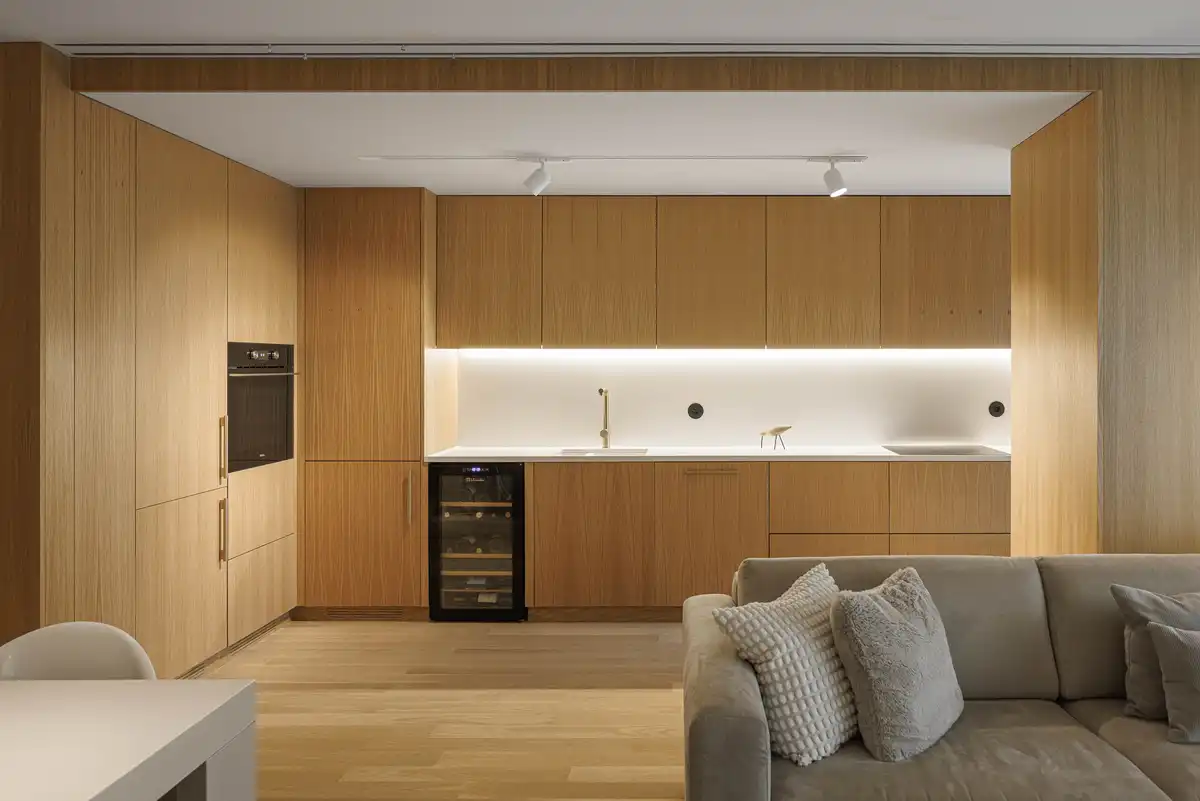
photo : Ivo Tavares Studio
C – Cultura e Criatividade, Penafiel
Architect: Galeria Gabinete
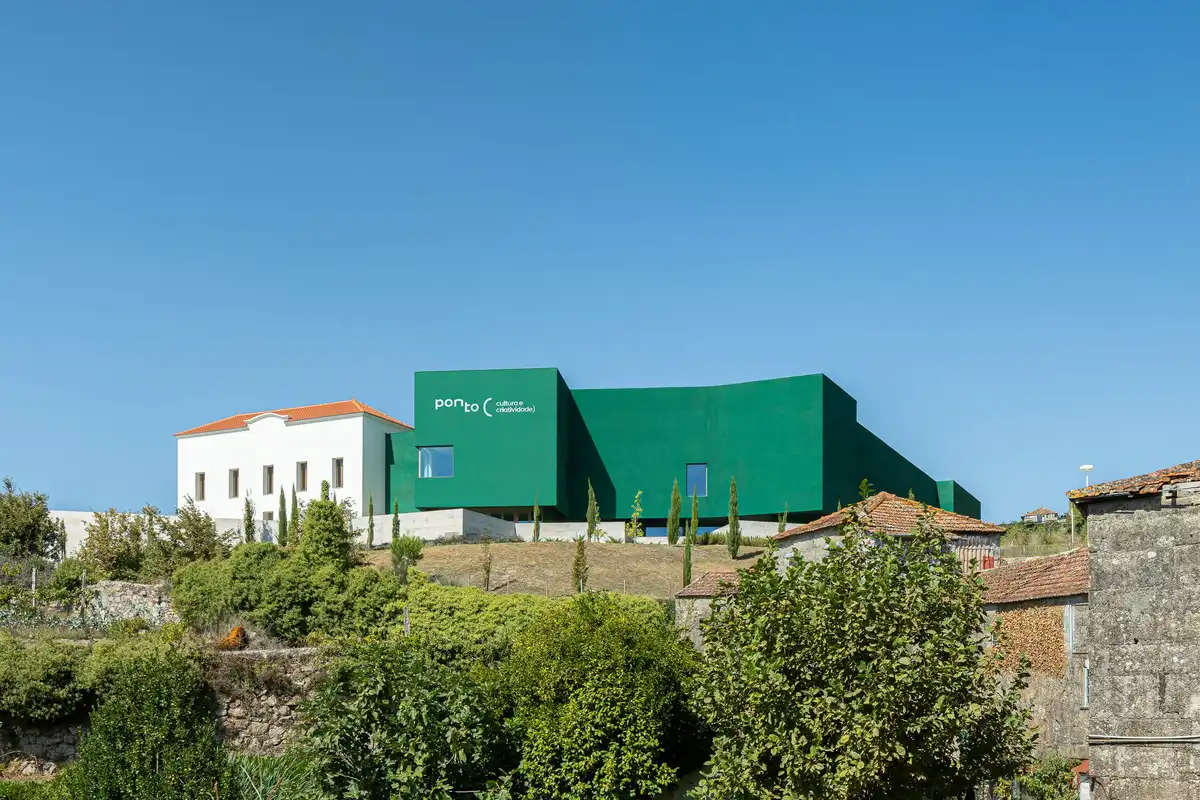
photo : Ivo Tavares Studio
+++
Portuguese Architecture
Comments / photos for the Borges Wine Cellar, Sabrosa, northern Portugal – design by Em Paralelo page welcome


