The Hanok Heritage House in Yeongweol, South Korea
post updated 3 July 2026
Architecture: Listen Communication
Location: Yeongweol, Gangwon Do, Republic Of Korea

Photos: Jaeyoon Kim
31 August 2025
Hanok, a culturally significant and time-honored Korean architectural style, remains one of the nation’s most valuable heritage assets.

The client envisioned a bold reinterpretation of Hanok for the modern era—one that would challenge outdated perceptions of discomfort and impracticality, while celebrating its craftsmanship and spirit. This vision called for creating the largest-scale hanok in Korea to date: a contemporary hospitality destination that preserves cultural identity while meeting the expectations of today’s travelers. Through thoughtful design, the project honors traditional architectural language while introducing modern comforts, offering a uniquely immersive and future-forward Hanok experience.
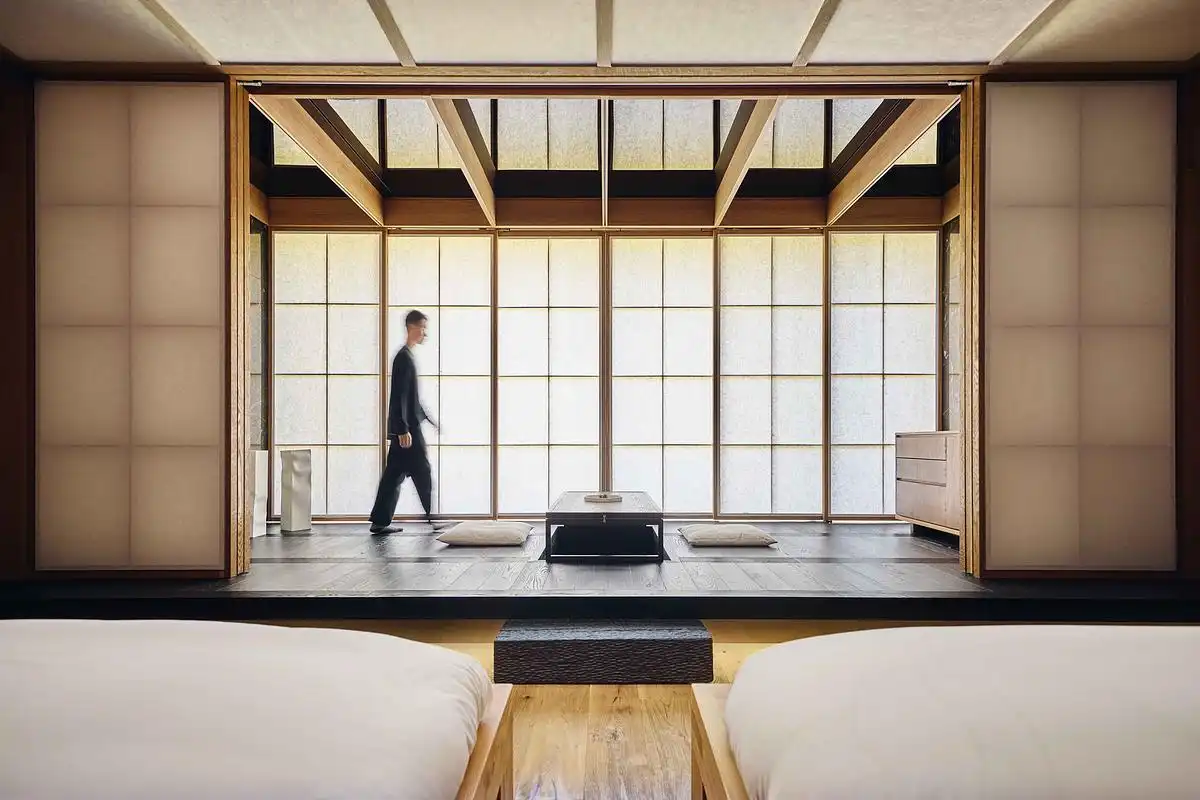
A core challenge lay in rethinking the materials and construction techniques that define a Hanok. Central to this was the process of preparing the wood—the most vital element in Hanok architecture. After nearly a decade of research, the team developed a pioneering microwave-based wood drying method, ensuring durability and consistency while preserving the wood’s natural beauty. This innovation became foundational to the project’s success. Additionally, dispelling negative stereotypes around hanok living—such as the assumption of discomfort—meant every design move had to carefully balance authenticity with elevated livability. A multifaceted design approach emerged, blending traditional sensibilities with custom solutions, such as bespoke furniture, advanced insulation, and reengineered materials. Each design decision was intentional, modernizing hanok without compromising its soul.


From the moment guests arrive, they are welcomed by the warm scent of natural wood, a sensory cue that sets the tone for a tranquil, immersive stay. The spatial layout embraces the traditional hanok courtyard, encouraging a rhythmic flow between indoor and outdoor areas and allowing framed views that shift with the four seasons. Custom-made furniture and finishes crafted in collaboration with local artisans reflect Korea’s rich cultural heritage. Spaces are adorned with textiles featuring traditional patterns and elements such as Nakhwajang walls, where patterns are burned into paper or wood—an ancient technique that enriches the tactile and visual depth of the interiors. The result is a layered, meaningful environment that feels both timeless and tailored.

Creativity was expressed not only in the reinvention of material processes, such as the microwave wood drying, but also in how tradition was reframed rather than replicated. Every element—from architectural details to interior design to furniture design to the artworks—was reimagined to serve modern users while reflecting heritage values. Innovative material applications, combined with close collaboration with craftsmen, ensured that both functional and emotional needs were met. The project introduced a new category of Hanok: one that doesn’t merely preserve tradition but evolves it, carving a path for future architectural reinterpretations.


Operational efficiency was considered through the integration of durable, long-lasting materials, reducing maintenance and replacement needs. Custom joinery and modular structural techniques made construction scalable, even at the project’s unprecedented size. The interiors were designed for ease of use, comfort, and modern expectations—while retaining a hand-crafted, serene atmosphere. Spatial planning was thoughtfully and carefully designed so that operational areas and guest spaces remain distinctly separate, ensuring privacy while still allowing seamless service delivery. The layout allows staff to meet guest needs efficiently, without disrupting the calm and private experience of the stay. From intuitive spatial planning to concealed modern amenities, every detail aimed to reduce friction and elevate the guest journey.


This project sets a new benchmark for sustainability in large-scale heritage hospitality. At its heart lies the commitment to natural, resilient materials that reduce environmental impact through extended lifespan. The microwave drying technique, besides improving wood quality. Passive design strategies inherited from hanok architecture—such as natural ventilation, strategic solar orientation, and deep eaves—were maintained and augmented with modern sustainable technologies, ensuring year-round comfort with minimal energy use. It’s a model for how historical design can inform contemporary ecological responsibility.

What does winning Korea’s first Prix Versailles Award mean for The HANOK Heritage House and how does it reflect on Korean architecture and design?
“The Hanok Heritage House, winner of Korea’s first Prix Versailles Award, redefines luxury by blending traditional hanok craftsmanship with contemporary innovation marking a historic moment for Korean architecture on the global stage.” Furthermore, it has served as an opportunity to redefine the perception of Hanok as inconvenient for modern Koreans and has sparked a boom in the Korean architecture market.

Can you elaborate on the collaboration process between Listen Communication and Jaeyoon Kim in the interior design planning and detailed design of The HANOK Heritage House?
Jaeyoon Kim is the photographer who captured the photos of The Hanok Heritage. Designer Sangyoon Kim, also the CEO of Listen Communication, has long been dedicated to modernizing Korea’s traditional heritage. He has been creatively expanding Korea’s traditional crafts and cultural heritage into various fields, including furniture, art, performance, and interior design.


What are the future aspirations for The HANOK Heritage House in terms of expansion, innovation, or further recognition in the hospitality and design industry?
THE hanok Heritage House is more than just a place to stay; it serves as a hub for sharing Korea’s culinary culture and intangible cultural heritage with the world. It operates a variety of cultural heritage programs, organizes exhibitions by artists from various fields, and hosts diverse events such as performances and concerts.

The Hanok Heritage House in Yeongweol, Gangwon Do, South Korea – Building Information
Architecture: Listen Communication – https://www.listencom.co.kr/space
Location: 37-150, Mungaesil-gil, Nam-myeon, Yeongwol-gun, Gangwon-do, Republic of Korea
Area: 1468 sqm
Space Planning, Design: Listen Communication
Collaboration: artmining
Completed: January 2023

Photographer: Jaeyoon Kim
The Hanok Heritage House, Gangwon Do, South Korea images / information received 310825
Location: Yeongweol, Gangwon Do, South Korea, East Asia
South Korea Buildings
Contemporary South Korean Architectural Selection
South Korean Architecture Designs – chronological list
Hannamdong 4 Residences, Seoul
Architects: UNStudio
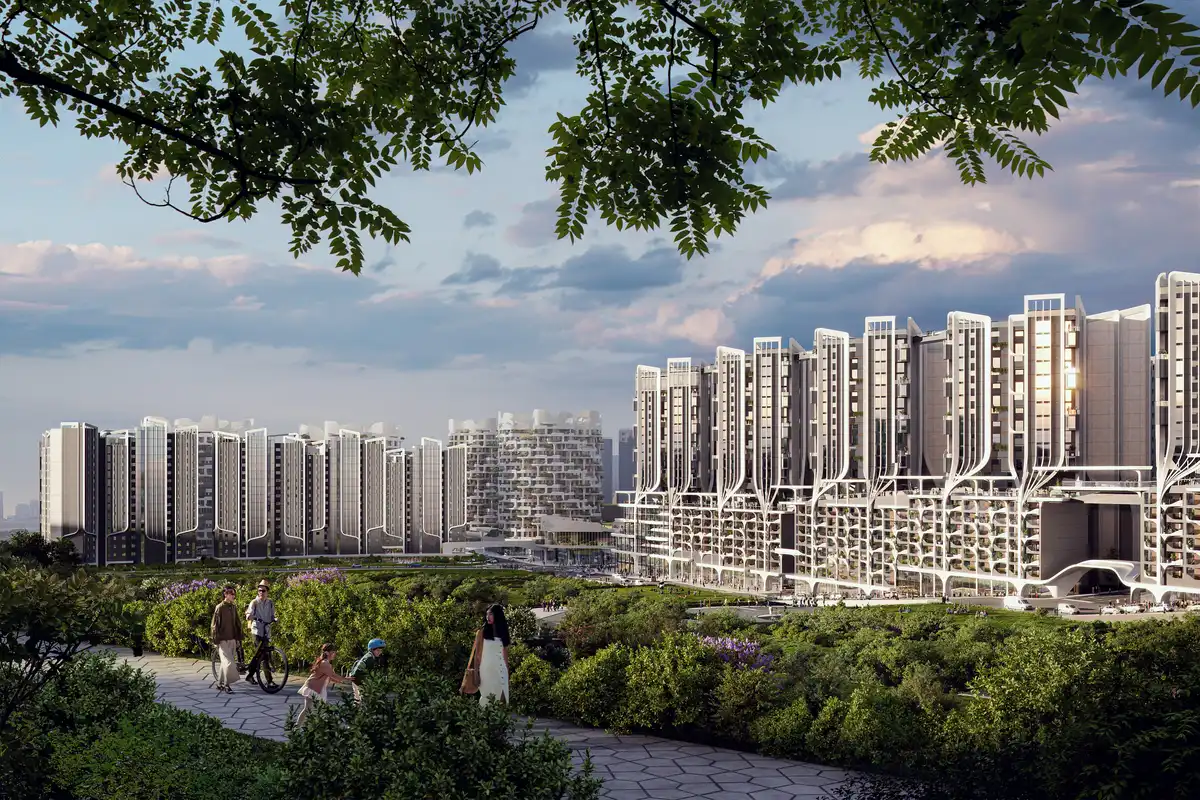
render : Flying Architecture and UNStudio
Tamburins Seongsu Flagship Store, Seoul
Architects: The System Lab
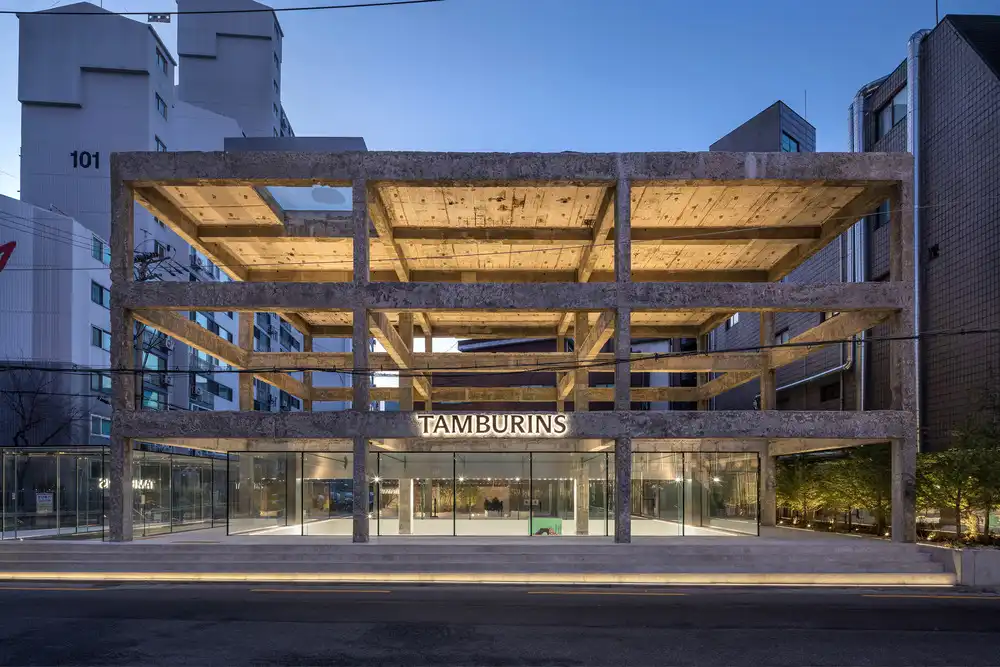
photo : Joonhwan Yoon
Hankook Tire R+D Centre, Daejeon
Design: Foster + Partners, UK
Galleria Department Store in Gwanggyo
Design: OMA
++
Korean Architecture Designs
South Korean Architecture News
Comments / photos for the The Hanok Heritage House, Yeongweol, Gangwon Do, South Korea designed by Listen Communication page welcome.