Inside the design of the new Titans riverfront stadium
April 8, 2026
The Tennessee Titans’ new stadium, scheduled to open in 2027, represents a sweeping reimagination of how an NFL venue can function within both a city and a year-round entertainment ecosystem. Designed as a riverfront landmark in Nashville, the project combines advanced engineering, architectural ambition, and urban integration. With an enclosed ETFE-style roof, refined seating geometry, and a broader mixed-use vision, the stadium is being shaped not only as a football destination but as a multi-purpose environment built for concerts, conventions, and continuous civic engagement.

Enclosed ETFE-Style Roof Innovation
The enclosed ETFE-style roof is one of the defining features of the Tennessee Titans’ new stadium opening in 2027, engineered to balance natural light, structural efficiency, and full weather protection. The material allows daylight to filter into the stadium while maintaining insulation and durability against varying climate conditions. Unlike traditional domes, this ETFE-style roof reduces weight and enhances acoustic reflection, contributing to a louder interior environment. Its design also supports energy efficiency goals, reducing reliance on artificial lighting during daytime events while ensuring the stadium remains operational year-round regardless of Nashville’s unpredictable weather patterns.
Lightweight transparency plays a critical role in shaping both aesthetics and performance. The roof structure creates a bright interior atmosphere while maintaining consistent climate control, ensuring that every event—from NFL games to concerts—benefits from stable environmental conditions.
Expanded Concourses and Fan Circulation
Expanded concourses redefine how 60,000 attendees will navigate the Tennessee Titans’ new stadium. Wide walkways and open sightlines ensure that fans remain connected to the action even while moving through concessions, retail spaces, or social areas. The design reduces congestion during peak moments such as halftime or pregame entry, improving safety and comfort. These concourses also integrate food, beverage, and merchandise zones seamlessly into the circulation paths, eliminating dead space and maximizing engagement. The result is a stadium environment where movement feels fluid and intentional rather than constrained.
Movement without bottlenecks becomes a central design principle, ensuring that the flow of 60,000 people is efficient, intuitive, and uninterrupted throughout the venue.
Mixed-Use Riverfront Development
The stadium is part of a larger mixed-use riverfront development that extends its purpose beyond NFL Sundays. Surrounding the Tennessee Titans’ new stadium opening in 2027 are planned retail districts, hospitality venues, green spaces, and residential components that activate the Nashville waterfront throughout the year. This integration strengthens economic activity and positions the stadium as a central anchor within a broader urban ecosystem. The development is designed to connect pedestrian pathways, public transit access, and scenic riverfront views, making the venue a daily destination rather than a single-event facility.
Beyond game day infrastructure, the surrounding development ensures continuous activity, blending entertainment, lifestyle, and commerce into a cohesive waterfront experience.
Improved Acoustics and Crowd Amplification
Acoustic performance has been carefully engineered to create one of the loudest environments in the NFL. The enclosed ETFE-style roof reflects sound back toward the field, while the seating bowl geometry channels crowd noise downward and inward. Materials throughout the structure are selected to enhance reverberation without distortion, ensuring that crowd energy translates into a competitive advantage for the Tennessee Titans. The design prioritizes intensity, allowing 60,000 fans to generate an atmosphere that feels significantly larger and more immersive than traditional open-air stadiums.
Engineering a louder stadium experience ensures that every cheer, chant, and moment of excitement contributes directly to the overall energy within the building.
Seating Bowl Geometry and Proximity
The seating bowl geometry is configured to reduce the distance between fans and the playing surface, ensuring that all 60,000 seats maintain strong sightlines. Steeper angles and tighter configurations create a more intimate viewing experience while maintaining comfort and accessibility. This design approach enhances both visual clarity and emotional engagement, allowing fans to feel directly connected to every play. The geometry also works in tandem with acoustic strategies, intensifying the sense of proximity and energy within the stadium.
Bringing 60,000 fans closer to the field transforms the viewing experience into something immediate, immersive, and highly engaging.
Premium-Seat Strategy and Revenue Design
The premium-seat strategy within the Tennessee Titans’ new stadium opening in 2027 introduces a wide range of hospitality options, including suites, club seating, and exclusive lounges. These spaces are designed to cater to corporate clients, high-value fans, and event organizers, creating multiple revenue streams beyond traditional ticket sales. Premium areas are integrated throughout the stadium rather than isolated, ensuring that luxury experiences remain connected to the core atmosphere. This approach supports financial sustainability while enhancing the overall fan experience.
Diversified luxury experiences allow the stadium to balance exclusivity with inclusivity, ensuring that premium offerings complement rather than overshadow the broader fan environment.
Year-Round Use for Concerts and Conventions
The enclosed structure and adaptable interior allow the stadium to host concerts, conventions, and large-scale events throughout the year. The Tennessee Titans’ new stadium opening in 2027 is equipped with infrastructure to support stage setups, exhibition layouts, and flexible seating configurations. This versatility transforms the venue into a continuous revenue generator and cultural hub for Nashville. By accommodating diverse event types, the stadium remains active beyond the NFL season, reinforcing its role as a central gathering place for the community.
Multi-purpose flexibility ensures that the venue is not limited to sports but becomes a cornerstone for entertainment and large-scale gatherings.
Sustainability Targets and Environmental Design
Sustainability targets are embedded in every aspect of the stadium’s design, from material selection to energy systems. The ETFE-style roof contributes to reduced energy consumption, while water management systems and efficient HVAC technologies minimize environmental impact. The project aligns with modern sustainability benchmarks, aiming to reduce operational costs and carbon footprint over time. Landscaping and riverfront integration further support ecological balance, ensuring that the stadium contributes positively to Nashville’s environmental goals.
Efficiency and long-term impact remain central to the project, ensuring that environmental responsibility is built into every layer of the design.
Integration with Nashville Waterfront Plan
The stadium’s integration with the wider Nashville waterfront plan ensures seamless connectivity between the venue and surrounding areas. Public plazas, pedestrian bridges, and transit links are designed to encourage accessibility and engagement. The Tennessee Titans’ new stadium opening in 2027 becomes a focal point within a broader network of public spaces, enhancing the city’s cultural and economic vitality. This integration strengthens Nashville’s identity as a destination while improving quality of life for residents and visitors alike.
Urban connectivity and public space planning ensure that the stadium feels like a natural extension of the city rather than a standalone structure.
Visual Design, Branding, and Media Presence
In a building where every surface competes for attention—from sponsor logos to live stats and wider sports information like occasional lists of sportsbook promos—the architects have tried to keep the primary sightlines and roof geometry focused on one thing: making 60,000 people feel as close to the field and as loud as possible. The visual design prioritizes clarity and cohesion, ensuring that branding elements enhance rather than distract from the experience. Digital displays, lighting systems, and architectural features work together to create a unified and immersive environment.
Balancing attention and focus ensure that commercial elements coexist with a fan-first design philosophy.
Weather-Proofing and Fan Comfort
Weather-proofing is a central objective of the stadium’s design, ensuring that events proceed without disruption regardless of external conditions. The enclosed ETFE-style roof protects fans from rain, heat, and wind while maintaining a comfortable interior climate. Advanced ventilation and temperature control systems adapt to varying occupancy levels and event types. This focus on comfort enhances attendance reliability and overall satisfaction, making the Tennessee Titans’ new stadium opening in 2027 a dependable venue for both sports and entertainment.
Consistent experience in any condition reinforces the stadium’s reliability and appeal for large-scale events.
Technology Integration and Future Readiness
The stadium incorporates advanced technology systems to support connectivity, data analytics, and fan engagement. High-speed networks enable seamless mobile experiences, while integrated control systems optimize operations and energy use. The Tennessee Titans’ new stadium opening in 2027 is designed with future upgrades in mind, allowing for the integration of emerging technologies without major structural changes. This forward-thinking approach ensures that the venue remains competitive and relevant in an evolving sports and entertainment landscape.
Digital infrastructure and innovation position the stadium as a future-ready venue capable of adapting to new trends and technologies.
Titans riverfront stadium Nashville, Tennessee, USA images / information received 080426
Location: North Carolina, United States of America
Architecture in North Carolina
North Carolina Architecture
Memphis Art Museum Building, Memphis, Tennessee, USA
Design: Herzog and de Meuron
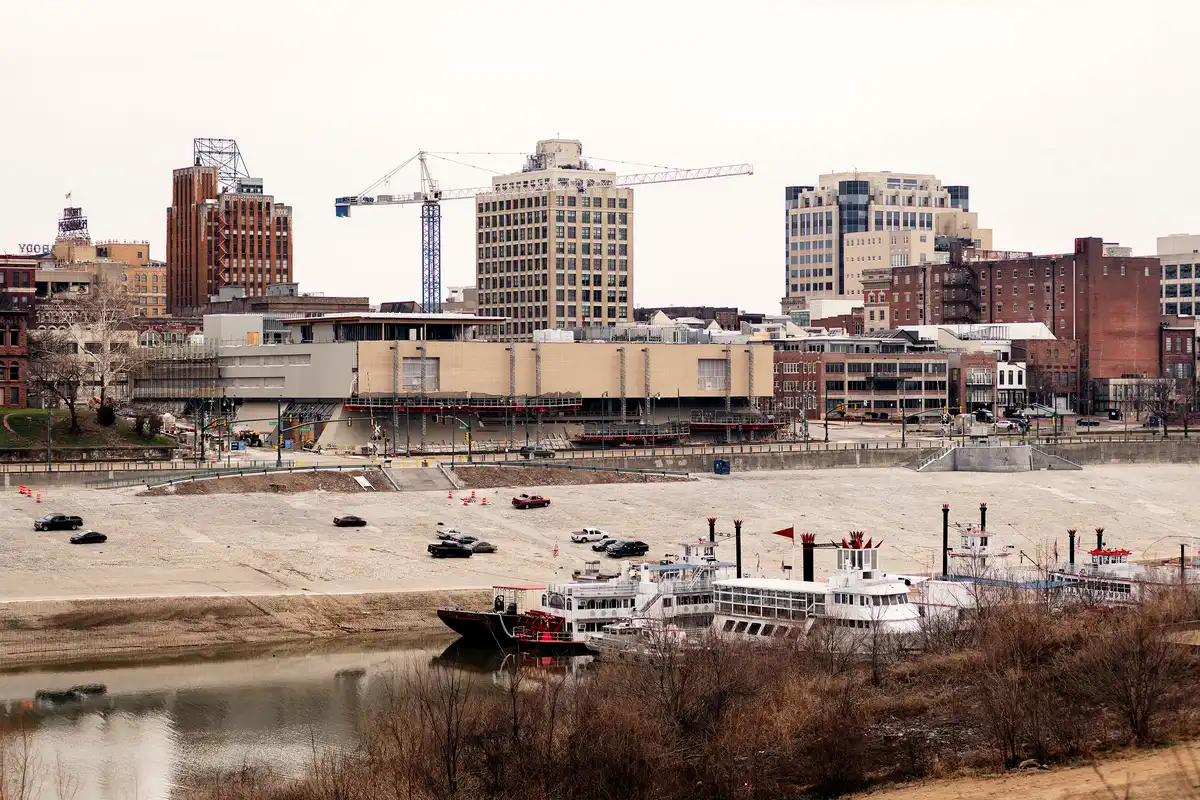
render Courtesy of Herzog & de Meuron
Pendry Nashville Residential Tower
Design Architect: ESa
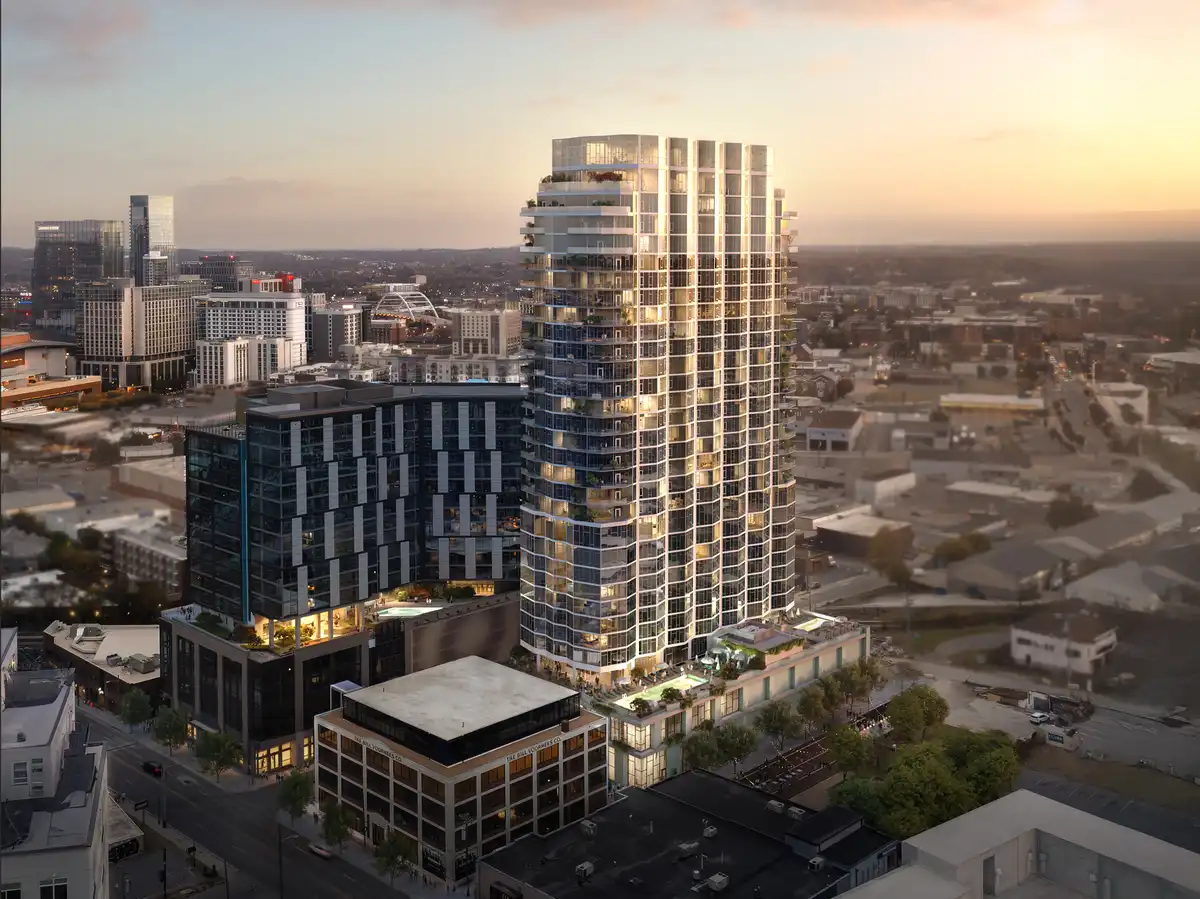
photo © Pictury
+++
American Stadium Buildings: Architecture
US Stadium Architecture News – selection:
Buffalo Bills Stadium in Orchard Park, Buffalo, New York, USA
Architecture: Populous, Architects
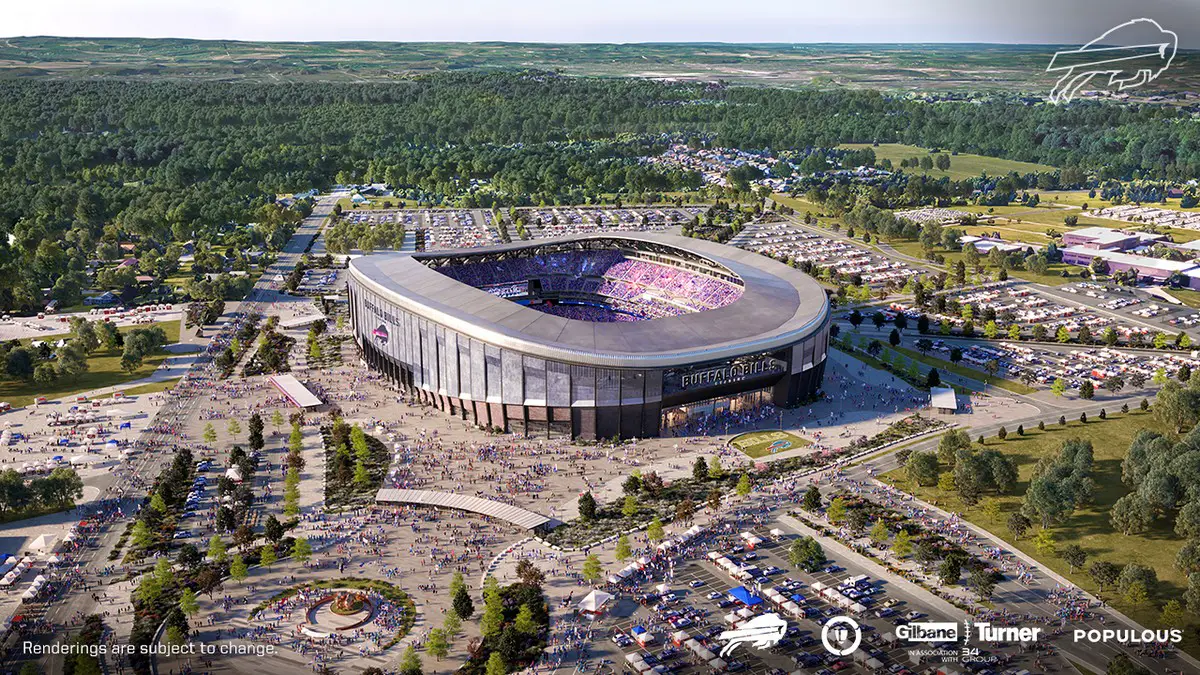
image courtesy of architects practice
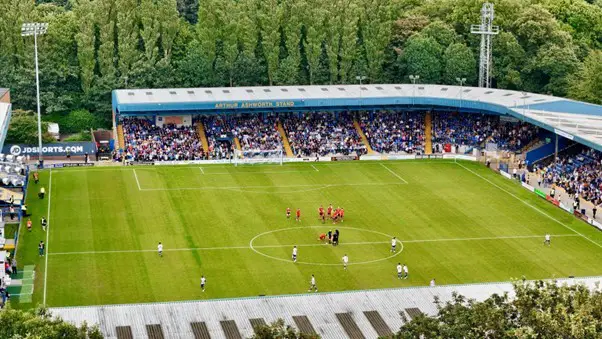
Architecture of Kenan Stadium in North Carolina, USA
+++
New US Buildings
America Architecture News – latest building updates
Comments / photos for the Titans riverfront stadium Nashville, Tennessee, USA – modern United States of America NFL venue page welcome.