How to Reduce Construction Waste During a Home Renovation
21 October 2026

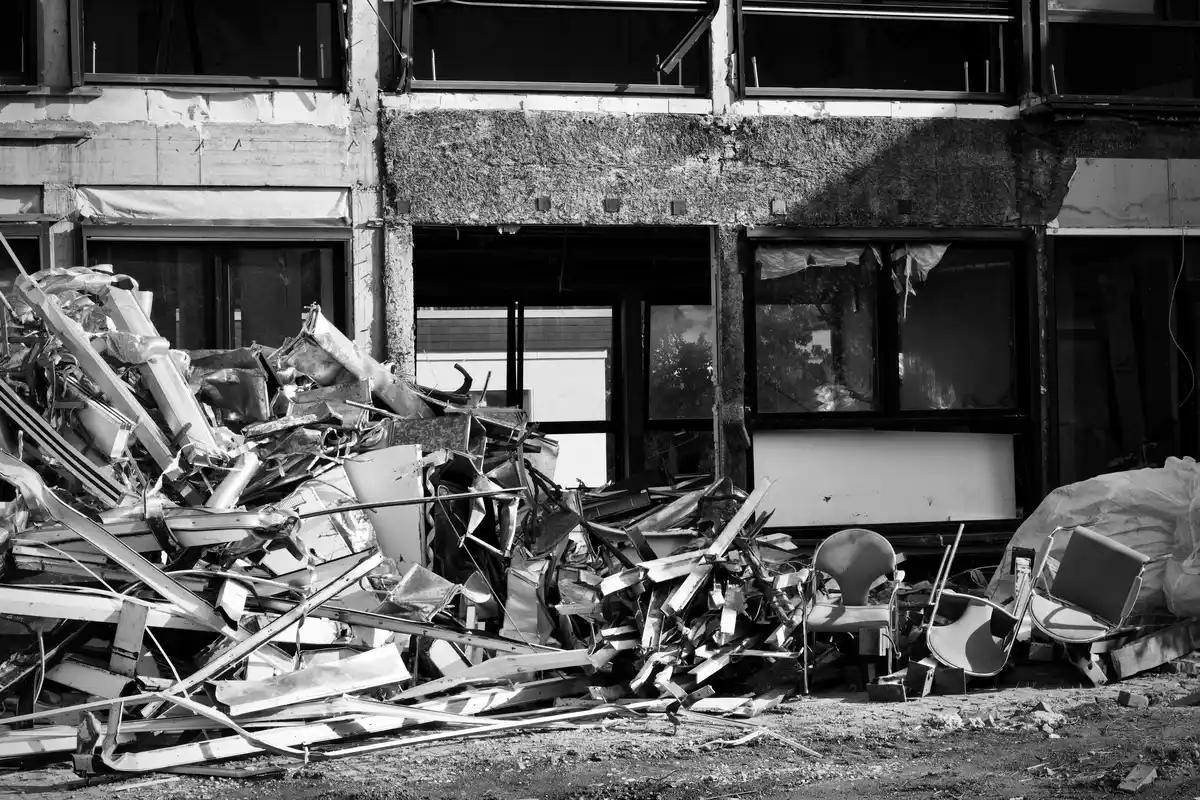
Reducing construction waste during a home renovation starts before demolition, with a plan for what can stay, what can be salvaged, how reusable materials will be separated, and when each waste stream will leave the site. Renovation debris becomes harder and more expensive to manage once broken drywall, timber, metal, packaging, fixtures, and general trash are mixed into one pile, so architects and contractors can make a project cleaner and more resource-efficient by treating removal as part of the construction sequence rather than a final cleanup task.
That approach also supports better design decisions. Existing doors, cabinetry, timber, brick, plumbing fixtures, and other components may have reuse value if they are identified before demolition begins, while accurate ordering can prevent new materials from becoming waste before they are ever installed. The most sustainable load is often the one that never has to be hauled away.
Plan construction waste removal before demolition starts
A renovation team should know how debris will leave the site before the first wall is opened. That means estimating the likely material types, deciding which items need separate handling, and establishing pickup points that will not block workers, deliveries, or neighboring properties. For junk removal businesses handling several renovation sites, junk removal software can keep each pickup connected to the customer address, schedule, job notes, photos, estimate, invoice, and payment record. Tofu is field service management software for trades that work on-site, including junk removal, so the operational information for a collection can remain with the job instead of being distributed across paper sheets, text messages, and separate calendars.
This becomes useful when a pickup is more complicated than “remove everything.” Photos can show the expected load before a truck arrives, notes can identify access restrictions or materials that require different handling, and a current schedule can prevent the office and field team from working from different versions of the appointment. A digital job record can also replace some printed work orders, while clearer information may reduce return trips caused by an incorrect address, missing access details, or an underestimated collection.
The U.S. Environmental Protection Agency estimated that the United States generated 600 million tons of construction and demolition debris in 2018, more than twice the amount of municipal solid waste generated that year. The EPA category includes materials from construction, renovation, and demolition, including wood, drywall, steel, brick, concrete, asphalt shingles, and other building materials.

Sort renovation waste before materials lose their value
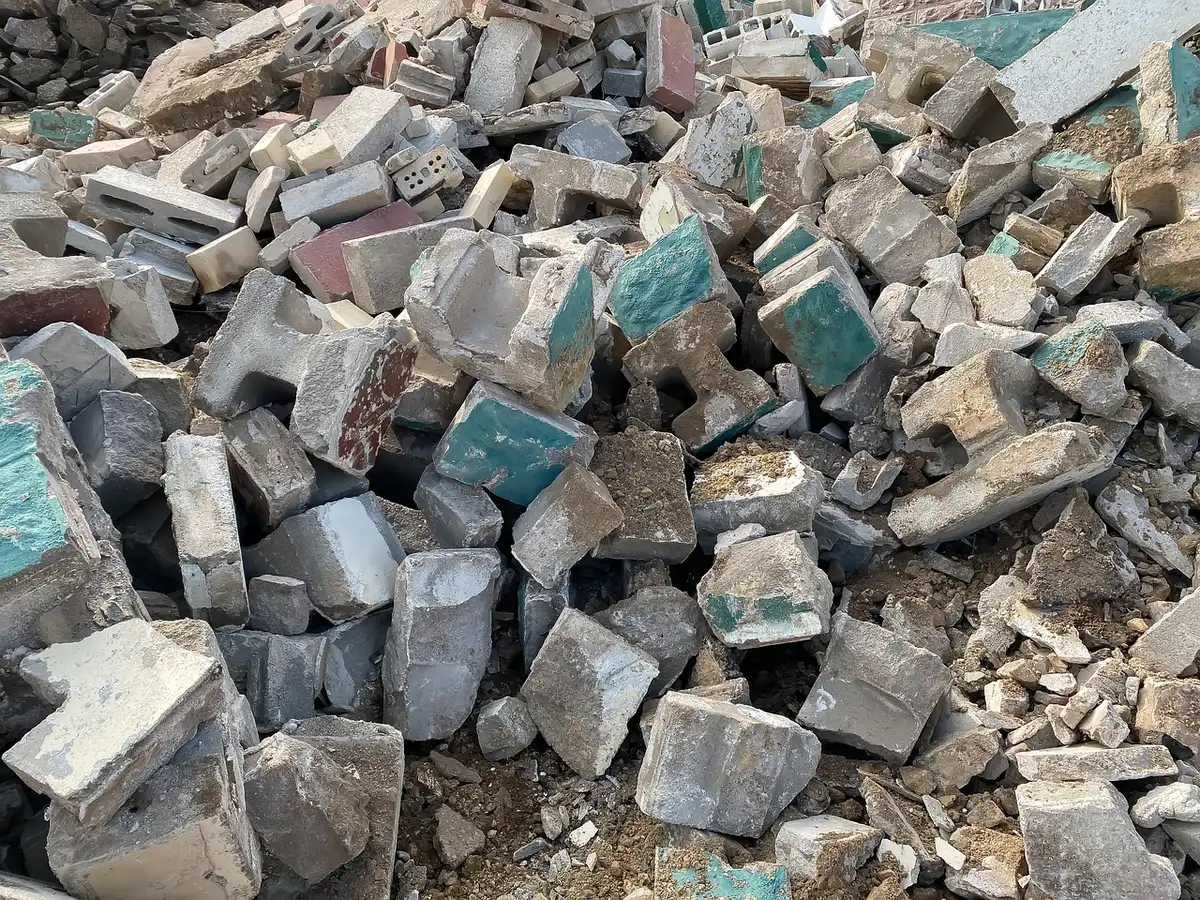
Once materials are mixed together, opportunities for reuse and recycling can shrink quickly. Clean timber stored separately has a very different future from timber buried under wet drywall, broken glass, insulation, and general household trash. The same applies to metal, masonry, fixtures, and packaging.
The EPA notes that materials including wood, metals, concrete, asphalt, brick, and block can be highly recoverable in many locations, although actual options depend on local facilities and regulations. Some nonhazardous materials may also be suitable for reuse on the same site.
A basic sorting plan can be prepared before demolition begins.
| Material from renovation | First question to ask |
| Doors, cabinets, fixtures | Can they be reused, donated, or salvaged? |
| Clean timber and metal | Is separate recycling available locally? |
| Brick and concrete | Can they go to a C&D recovery facility? |
| Drywall and mixed debris | What disposal option accepts this material? |
| Paints or suspect materials | Does disposal require special handling? |
Use renovation photos to make waste pickups more accurate
Photographs are already common in architectural and renovation work, but they can also improve debris collection. A useful pickup photo should show more than the existence of a pile. It should give enough context to estimate volume, identify large objects, understand access, and notice materials that may need separate handling.
For a renovation pickup, the job record can include:
- a wide image showing the overall debris volume;
- close photographs of bulky or unusually heavy materials;
- access notes for stairs, elevators, gates, parking, or narrow driveways;
- instructions about items that should remain on-site.
This information can help a junk removal company prepare the appropriate vehicle, labor, and equipment before arriving. Tofu allows photos and internal notes to stay attached to the job alongside scheduling and client information, which can be particularly useful when the person who booked the pickup is not the same person who performs it.
Better preparation also has a sustainability benefit that is easy to overlook. If a collection has to be repeated because the first vehicle was unsuitable, the access information was incomplete, or the load was substantially different from what the office expected, the business adds another trip and additional fuel use without removing any additional waste on the first visit.
Paperless waste records can reduce administrative waste too
Construction sustainability usually focuses on physical materials, but the paperwork surrounding removal can also be simplified. Printed pickup sheets, handwritten changes, paper estimates, and invoices recreated at the end of the day add another layer of material use and duplicate administration.
A paperless workflow does not need to mean eliminating every physical document from a construction project. It means keeping routine operational information digital when there is no practical reason to print it repeatedly. Job addresses, photographs, collection notes, estimates, invoices, and payment status are particularly suitable because they change during the work and often need to be accessed by more than one person.
| Project stage | Common waste issue | Digital record that helps | Practical effect |
| Before demolition | Reusable materials removed with trash | Photos and site notes | Salvage can be identified earlier |
| Pickup booking | Load details are incomplete | Photos, estimate, client notes | Better preparation before dispatch |
| Collection day | Access information is missing | Current job record | Fewer avoidable calls or return trips |
| After collection | Paperwork has to be recreated | Job-linked invoice | Less duplicate entry and printing |
Fewer removal trips can mean fewer unnecessary emissions
A junk removal vehicle will always need to travel to the project, so responsible scheduling is not about pretending transport can disappear. The useful target is unnecessary mileage.
One renovation may need several legitimate collections because demolition, rough construction, finish work, and final cleanup generate debris at different stages. Problems arise when extra journeys happen simply because one load was booked with poor information or the collection date did not match the construction schedule.
For architects and contractors coordinating a project, pickup timing should therefore follow the work rather than an arbitrary weekly routine. Demolition debris should leave before it obstructs the next trade, but a truck should not be called for a half-finished load if another major waste-producing task will happen the following morning. Likewise, reusable materials should be separated before a general collection removes the opportunity to recover them.
Keeping dates, photographs, addresses, and job status current gives a growing junk removal team a better basis for scheduling those visits. Tofu does not replace decisions about recycling facilities or disposal routes, but its scheduling and job-management functions can reduce some of the information gaps that create unnecessary travel.
A renovation waste plan should finish with fewer mixed loads
The practical measure of a good construction waste plan is not whether the site produced no debris, which is unrealistic for most renovations, but whether useful materials were preserved before they became trash, recoverable waste stayed separate where local options existed, and pickups happened with enough information to avoid preventable repeat journeys.
For a renovation team, that means deciding what stays before demolition, documenting what will be removed, separating valuable material streams, and timing collections around actual construction stages. For the removal company, it means arriving with an accurate picture of the load and recording each visit without creating another trail of paper and disconnected messages.
When those two sides of the project are coordinated, construction waste management becomes part of the architecture and construction process itself, helping reduce mixed debris, unnecessary hauling, paper use, and avoidable vehicle emissions rather than trying to solve all of those problems after the renovation is finished.
Comments on this guide to How to reduce construction waste during home renovation article are welcome.
Construction Waste
Waste Posts
Managing Construction Waste Efficiently
Ways to deal with construction waste
How to manage construction waste sustainably
++
Property

Home Improvement Posts

Comments / photos for the How to reduce construction waste during home renovation advice guide page welcome