Managing Construction Waste Efficiently in Urban Projects
14 November 2025
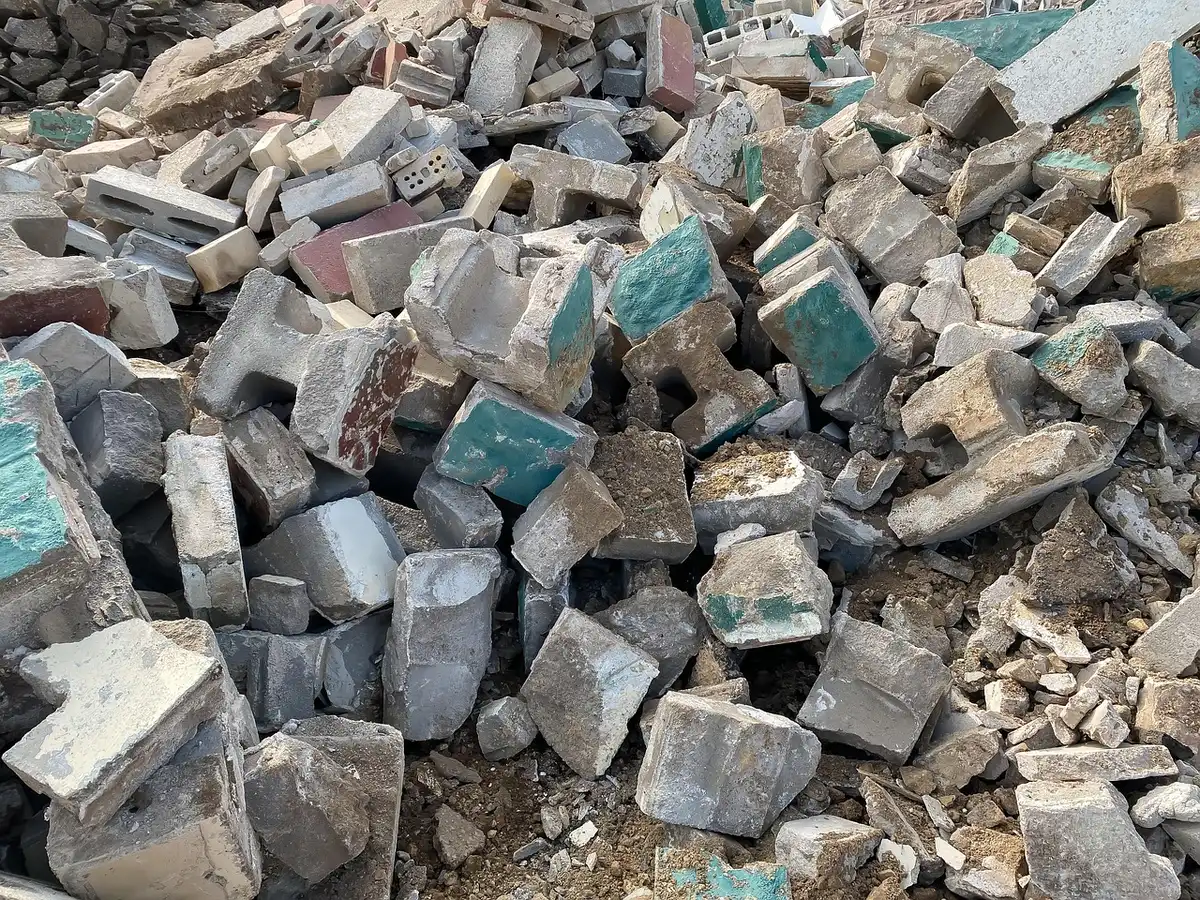
Walk past any city construction site and you’ll see it right away — piles of debris, broken concrete, offcuts of wood, and discarded packaging. It’s an unavoidable part of building in dense urban areas, but it’s also one of the biggest challenges modern developers face. As cities grow, the pressure to build sustainably grows with them. Managing construction waste efficiently isn’t just a box to tick for green certification; it’s a matter of responsibility, resourcefulness, and reputation.
For architects and builders, especially in fast-moving cities like Toronto, waste management has become as crucial as design or scheduling. A clean, organized site saves money, keeps projects running smoothly, and helps reduce the strain on local landfills. The question isn’t whether to manage waste — it’s how to do it smarter.
The Challenge of Urban Construction Waste
In a city where every square metre counts, waste can pile up quickly, turning into a logistical nightmare. Urban projects don’t have the luxury of open space for stockpiling or sorting materials, so teams need efficient systems right from the start.
That’s where services like dumpster rental toronto come in — practical, local solutions that make it easier to deal with debris from demolition, renovation, or new builds. Having multiple bins for different materials, like concrete, metal, and wood, keeps the workflow cleaner and allows recyclables to be separated from general waste. It also helps contractors meet municipal standards and sustainability targets without slowing down progress.
Good waste management starts long before the first truck arrives on site. Project managers who plan for it early — estimating what materials will be discarded and how they’ll be handled — avoid last-minute costs and messy clean-ups. It’s not glamorous work, but it’s one of those behind-the-scenes steps that make an entire build run smoother.
Integrating Smart Building Techniques
Another piece of the waste puzzle lies in how we build. Modern construction methods are finding clever ways to minimize leftover materials and rework. Services like qualityagebuild.com/services/bench-footing/ show how thoughtful foundation design can reduce waste before it even starts. Bench footing, for instance, adapts to natural slopes instead of fighting them — meaning less excavation, less fill, and a more stable structure that won’t need constant corrections later on.
Prefabrication and modular construction are also changing the game. By fabricating components off-site, builders can reduce on-site waste and keep deliveries lean. Digital tools such as Building Information Modeling (BIM) let teams preview the entire project virtually, spotting potential errors and material clashes before construction begins. Every miscut beam or over-ordered batch of drywall avoided is a small but meaningful win.
These approaches aren’t just about efficiency — they reflect a mindset shift in architecture and construction. The industry is learning that sustainable design isn’t separate from practical design; it’s the same thing done thoughtfully.
The Role of Recycling and Material Recovery
Construction generates a mix of materials — some recyclable, some reusable, and some that simply need proper disposal. The best projects handle all three categories responsibly. Concrete can be crushed and reused as aggregate, metals can be melted down and resold, and even old wood can find new life as reclaimed material or biomass fuel.
In many cities, including Toronto, recycling facilities and waste diversion programs are proliferating. Some developers now set internal recycling goals for every project, while others partner with local recyclers to track precisely how much material gets reused. The data doesn’t just look good on sustainability reports; it often translates into real cost savings.
Forward-thinking construction firms are even exploring circular-economy models — reusing materials from one project in another. It takes coordination and trust across the supply chain, but when it works, it’s a powerful way to cut waste and conserve resources.
Logistical Planning and On-Site Efficiency
Of course, good intentions don’t mean much without solid logistics. In a busy city core, trucks can’t always come and go freely, and noise or time restrictions can limit disposal schedules. That’s why strong partnerships with local haulers and waste providers are essential. Reliable pickups keep the site clear and workers productive.
On-site, simple steps make a big difference: labeled bins, clear signage, and quick training for everyone on the team. When waste sorting becomes part of the daily rhythm, compliance follows naturally. Deliveries should also be timed carefully — just-in-time scheduling prevents materials from sitting too long and getting damaged or wasted.
Managing construction waste well is ultimately about coordination. It’s less about grand gestures and more about hundreds of small, consistent decisions that add up over the life of a project.
Toward a Sustainable Future in Urban Construction
Efficient waste management isn’t a passing trend — it’s the new foundation of responsible urban construction. As building codes tighten and clients demand greener projects, the firms that plan will stand out for all the right reasons.
When architects, engineers, and builders approach waste with the same creativity they bring to design, the results benefit everyone: cleaner cities, lower costs, and stronger community trust. Managing construction waste efficiently is more than a technical task — it’s a commitment to building smarter and leaving less behind.
Comments on this Managing Construction Waste Efficiently in Urban Projects article are welcome.
Construction Waste
Waste Posts
Construction waste management for building projects
Ways to deal with construction waste
How to manage construction waste sustainably
++
Property
Home Improvement Posts
Comments / photos for the Managing Construction Waste Efficiently in Urban Projects page welcome