How Local Realtors Support Homeowners All Year-Round
7 November 2025

Most people associate real estate agents with buying or selling a home, but their role extends far beyond closing deals. Experienced local Realtors continue to assist homeowners long after the paperwork is signed. From helping manage property value to offering reliable connections and market insights, these professionals serve as ongoing advisors in an ever-changing housing landscape.
This guide explores how local Realtors provide value throughout the year, supported by practical examples from the United States and Canada.
1. Continuous Market Insight and Property Valuation
One of the most valuable services local Realtors offer is continuous monitoring of property trends. Real estate markets fluctuate based on interest rates, regional employment, and housing supply. Homeowners benefit when they understand how these shifts affect the worth of their property.
Realtors often perform Comparative Market Analyses (CMA) at no cost for their past clients. These analyses help homeowners gauge current equity and decide if refinancing, renovations, or holding is more strategic. In both the U.S. and Canada, annual CMAs have become a standard client retention tool for top-performing agents.
This expertise also ensures that when the homeowner eventually chooses to sell, they already understand market positioning. Having access to professional advice by a local real estate agent helps homeowners make well-informed decisions rather than reacting to short-term trends or unreliable online estimates.
2. Guidance on Home Maintenance and Improvements
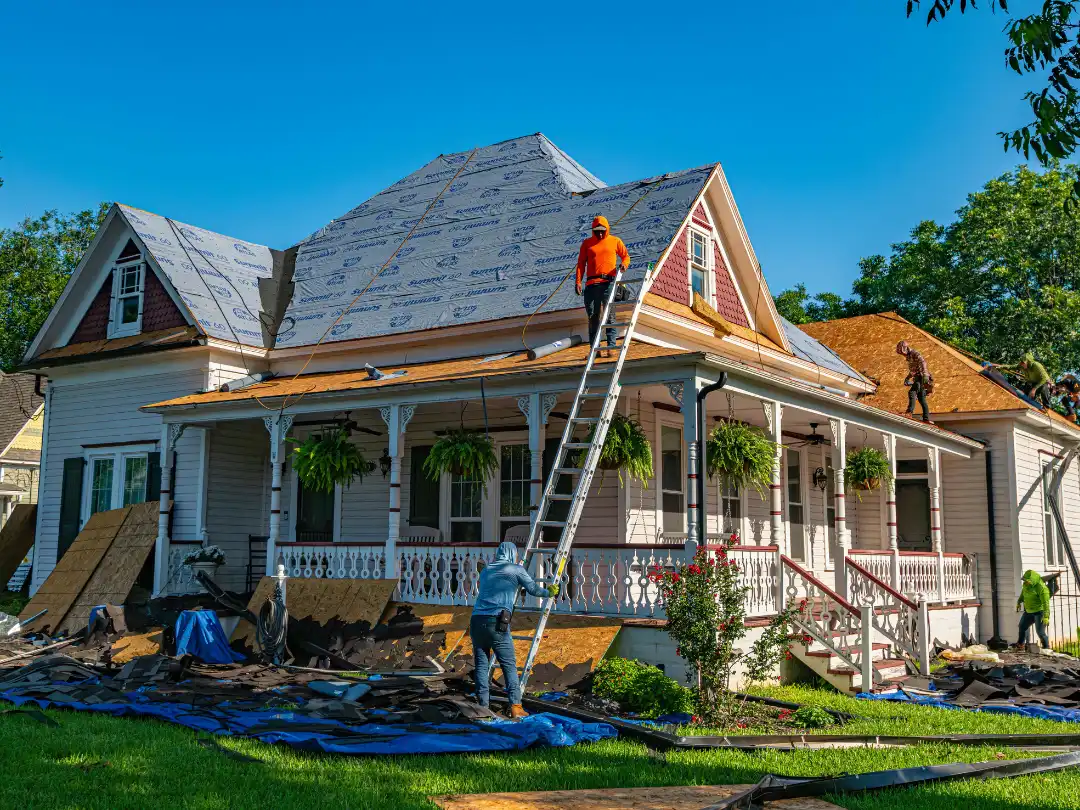
Realtors have firsthand knowledge of which home improvements deliver the best return on investment. In markets like Toronto, Vancouver, or Austin, agents often track which upgrades, such as energy-efficient windows, smart thermostats, or finished basements, consistently raise resale value.
A practical approach many Realtors take is seasonal outreach. For example:
- Spring:Reminders for exterior maintenance, roof inspections, and garden preparation.
- Summer:Tips on HVAC servicing and curb appeal updates.
- Fall:Advice on insulation, gutter cleaning, and preparing for winter.
- Winter:Information about interior upgrades and planning renovations for spring listing windows.
These communications are often shared via newsletters, social media, or client databases, keeping homeowners proactive rather than reactive. In regions with harsh winters, such as Ontario or the northern U.S., Realtors may even provide lists of vetted local contractors for snow removal or emergency repairs.
3. Connecting Clients with Trusted Local Professionals
Successful Realtors maintain extensive professional networks that go far beyond other agents. They collaborate regularly with:
- Mortgage brokers
- Home inspectors
- Insurance specialists
- Appraisers
- Contractors and tradespeople
- Landscapers and property managers
When homeowners need reliable help, a Realtor’s referral list saves time and minimizes risk. This is especially useful after a move when clients are still building local connections.
In the U.S., real estate boards often require Realtors to vet their professional partners, ensuring ethical standards and quality service. In Canada, many agents develop referral partnerships with licensed trades, helping homeowners avoid unqualified or unverified service providers.
By connecting clients with the right experts, Realtors help preserve property value, reduce maintenance costs, and foster long-term trust.
4. Support with Financial and Legal Decisions
Owning a home involves ongoing financial and legal responsibilities that evolve over time. Property tax reassessments, zoning changes, or new housing regulations can significantly impact a homeowner’s financial plan.
Realtors frequently assist clients in understanding how these changes affect their property. For example:
- When local governments adjust property tax assessments, Realtors help verify whether the valuation aligns with market conditions.
- They may recommend consulting legal experts for changes in land-use bylaws or short-term rental regulations.
- They often track mortgage rate fluctuations and help clients compare refinance options through their financial partners.
In both the U.S. and Canada, Realtors are trained to recognize when professional legal or financial advice is needed, guiding clients to licensed experts. This proactive guidance keeps homeowners informed and financially prepared.
5. Community Involvement and Local Advocacy
Realtors live and work within the same communities as their clients. Many volunteer on municipal committees, sponsor local events, and participate in housing policy discussions. Their involvement provides homeowners with direct access to local developments, such as new schools, infrastructure projects, or rezoning proposals, that can influence property value.
In both countries, Realtor associations like the National Association of Realtors (NAR) in the U.S. and the Canadian Real Estate Association (CREA) advocate for fair housing policies and sustainable community planning. By keeping clients informed about these initiatives, local agents empower homeowners to participate in community decision-making.
This level of engagement ensures that homeowners aren’t isolated from the changes shaping their neighbourhoods. It also reinforces the Realtor’s role as a community resource, not just a salesperson.
6. Helping Homeowners Navigate Life Transitions
Life events, marriage, growing families, downsizing, or relocation, often require real estate adjustments. Realtors help homeowners plan these transitions well before they occur.
For example:
- Growing families:Realtors can estimate whether expanding or selling is more cost-effective based on neighbourhood market data.
- Downsizing:They help identify accessible homes or condos that match lifestyle needs while preserving equity.
- Relocation:Realtors coordinate with out-of-area agents to manage sales and purchases across regions.
Since these situations involve financial and emotional considerations, having a trusted Realtor ensures continuity, consistency, and peace of mind.
7. Education and Resource Sharing

Leading Realtors recognize the importance of homeowner education. Many create online guides, host webinars, or publish newsletters about topics such as:
- Energy-efficient home upgrades
- Government rebate programs
- Market outlooks and real estate forecasts
- Home safety, insurance, and renovation permits
By sharing factual, actionable insights, Realtors help homeowners make data-driven decisions. This ongoing education contributes to stable property markets and more informed communities across North America.
A Realtor’s value doesn’t end when a sale closes. Their ongoing support helps homeowners maintain property value, make smarter financial decisions, and stay informed about market and community changes. In both the U.S. and Canada, local Realtors act as long-term partners, guiding homeowners through every stage of ownership.
The most successful homeowner-Realtor relationships are built on consistent communication, professional trust, and shared local knowledge. Beyond buying and selling, local Realtors strengthen the foundation of communities one homeowner at a time.
Comments on this Beyond Buying and Selling: How Local Realtors Support Homeowners Year-Round article are welcome.
Building Articles
Residential Architecture
Kai Tak, Polzeath, Cornwall, southwest England, UK
Design: Cassell Tarring

photo : Daniel Fisher
Kai Tak House
++
Property Advice
Building Design Posts
Choosing a cohesive design style for your home
Are You in the Gray Area in Your Mortgage?
How to Spruce Up Your Home with Personalized Prints
Comments / photos for the Beyond Buying and Selling: How Local Realtors Support Homeowners Year-Round page welcome