
Passive Fire Protection Companies Support Safer, Smarter Buildings
post updated 3 October 2026
3 October 2025
Passive fire protection is an integral part of modern building safety, ensuring that structural elements resist high temperatures, flames, and smoke long enough to save lives. While active fire protection systems such as sprinkler systems, fire alarms, and fire extinguishers are widely recognised, it is passive fire protection measures that slow the spread of fire and smoke throughout a building. By working with a safe passive fire protection company like Adaston, architects, building managers, and developers can access comprehensive passive fire protection solutions that ensure compliance, energy efficiency, and long-term resilience.
What Is Passive Fire Protection?
Passive fire protection, often referred to as PFP, is an integral part of a building’s fire safety strategy. Unlike active fire protection systems that require human intervention or a triggered event, passive systems are always present. These systems form a structural safety net, ensuring that fire resistance is built into walls, floors, ceilings, and other materials.
Common passive fire protection systems include:
- Fire doors and fire barriers that compartmentalise space.
- Fire walls and compartment walls that contain flames.
- Fire resistant coatings such as intumescent coatings or intumescent fireproofing applied to structural elements.
- Fire stopping products that fill gaps in concealed spaces.
- Fire resistant materials used in internal walls, floors, and external envelopes of buildings.
Together, these measures reduce the spread of fire and smoke, protecting escape routes, limiting structural damage, and giving the rescue service more time to save lives.
Passive vs Active Fire Protection
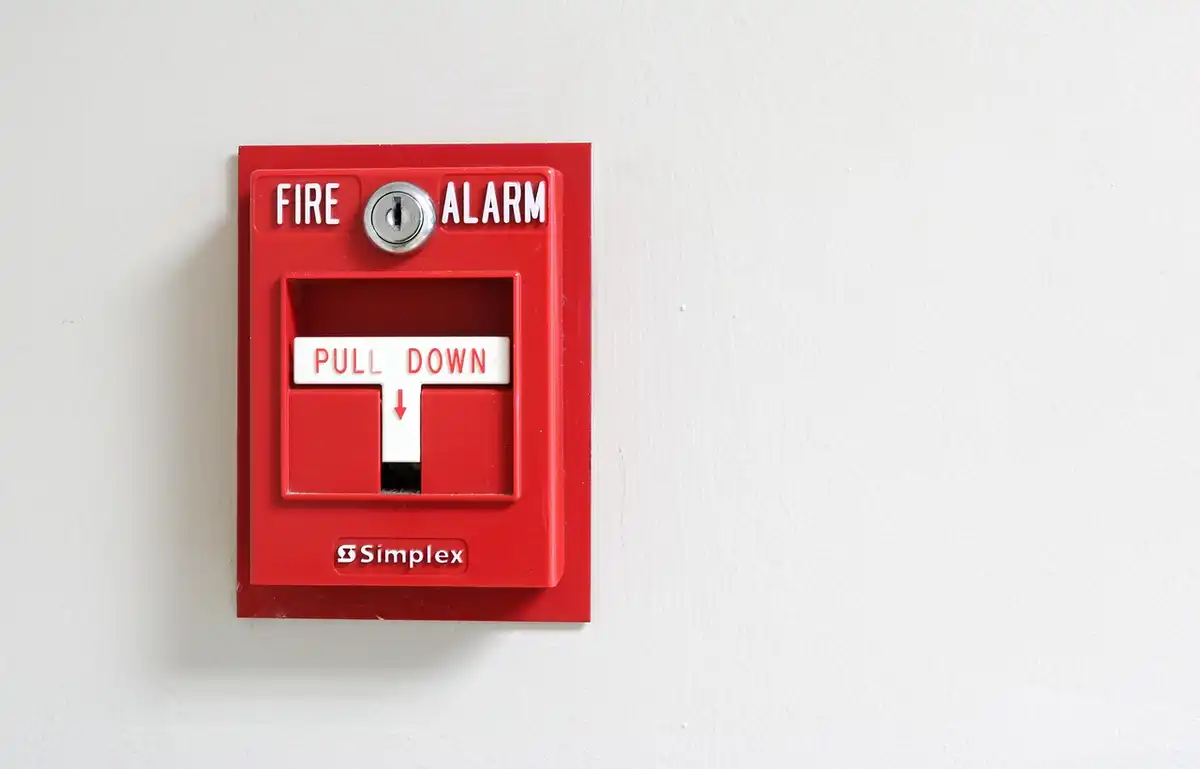
To understand passive fire protection work, it helps to compare it with active fire protection. Active systems, such as smoke detectors, fire alarms, sprinkler systems, fire hoses, and inert gases, require activation — either automatic or manual. Passive systems, by contrast, are built directly into the building structure and need no human intervention.
Fire safety compliance relies on both strategies. A comprehensive fire strategy combines passive fire and active fire protection measures to ensure that fire hazards are minimised, flames are suppressed, and occupants can escape safely. In many buildings, especially healthcare buildings, educational institutions, and occupied buildings, integrating passive and active systems is essential to meeting approved document B and other regulatory standards.
Key Features of Passive Fire Protection Systems
A strong passive fire protection strategy offers several key features that contribute to building safety:
- Compartmentation: Fire compartments created by walls, floors, and doors limit the spread of fire and smoke.
- Durability: Fire resistant coatings protect structural elements from heat loss and structural damage.
- Integration: Passive systems operate alongside active systems such as alarms and sprinklers.
- Energy efficiency: Fire stopping products and materials reduce heat loss in everyday use, improving building performance.
- Ongoing maintenance: Systems must be inspected regularly to remain compliant with approved document requirements.
When combined with a fire risk assessment and ongoing maintenance schedules, these systems deliver reliable fire protection solutions for many buildings.
Why Passive Fire Protection Matters
Passive fire protection measures are not only about compliance; they are about protecting lives and property. In a serious risk event, these systems give occupants time to escape and reduce the spread of fire and smoke through a building.
For example, fire doors are designed to remain closed, acting as a life saving barrier between fire compartments. When integrated with smoke detectors and alarms, they form part of a complete fire safety strategy. Similarly, intumescent coatings expand under high temperatures, protecting steel beams and preventing structural damage that could cause a building to collapse.
Without passive systems, flames can spread quickly, smoke can fill concealed spaces, and significant quantities of heat can compromise the integrity of structural elements. Passive fire protection solutions therefore form the backbone of any fire safe building design.
Passive Fire Protection in Practice
In practice, passive fire protection work must be carefully planned and installed by experienced professionals. This involves:
- Conducting a fire risk assessment to identify hazards.
- Choosing the correct fire resistant materials for internal walls, floors, and external envelopes.
- Installing fire doors, barriers, and walls to create fire compartments.
- Applying fire resistant coatings to structural steel and other vulnerable components.
- Using fire stopping products to fill gaps in service penetrations and concealed spaces.
Ongoing maintenance and regular inspections are required to keep systems compliant and reliable. Many buildings also integrate passive systems with other services, ensuring a seamless fire safety strategy.
The Role of Professionals
Passive fire protection solutions require expertise. Facilities managers, asset managers, and architects rely on companies that can carry out compliant installation while also providing reports, data, and integration with broader building systems.
A passive fire protection company must work to the UK’s leading standards, ensuring all materials and systems meet approved document B guidance. Whether in healthcare buildings, residential blocks, or offices, professional installation and ongoing maintenance are essential to protecting lives.
Active and Passive Fire in Combination
Although passive fire protection measures are vital, they cannot act alone. Active systems such as fire alarms, sprinkler systems, fire extinguishers, and smoke detectors provide essential early warning and suppression. Passive systems contain the fire and protect escape routes, while active systems alert occupants and attack the flames.
This combination — active and passive fire protection — is what creates a complete fire safety strategy. Both are required by building regulations, and both must be tested, inspected, and maintained to ensure reliable performance.
Future Development and Innovation
The future of fire protection will continue to involve both passive systems and active systems, but innovation is making PFP systems smarter and more integrated. Fire doors equipped with sensors, fire resistant coatings that double as energy-efficient materials, and integration with digital compliance tracking are just a few examples.
With development in materials, intumescent fireproofing, and integration with building monitoring systems, passive fire protection is moving beyond traditional construction. This innovation supports not only safety compliance but also sustainability, helping reduce heat loss and energy consumption while protecting lives.
Conclusion
Passive fire protection systems are an integral part of building safety, designed to slow the spread of fire and smoke, protect structural elements, and save lives. When combined with active fire protection measures such as alarms, sprinklers, and extinguishers, they form a robust fire safety strategy that meets compliance requirements and supports the safety of occupants.
By working with a safe passive fire protection company like Adaston, building owners, landlords, and developers can ensure their properties are compliant with approved document guidance, designed to the highest quality standards, and prepared to withstand the serious risk posed by fire. With a combination of passive fire protection work, active fire protection systems, and ongoing maintenance, buildings across the UK can remain fire safe, energy efficient, and resilient long into the future.
Comments on this How Passive Fire Protection Companies Support Safer, Smarter Buildings article are welcome.
Building Fire Safety
Fire Safety Posts
Fire Safety Engineering for Buildings

How to make your house fire safe
Safety Precautions Against Home Fire
++
Architecture Design
Contemporary Green Architecture Design
Comments / photos for the How Passive Fire Protection Companies Support Safer, Smarter Buildings page welcome


