
Climate-Responsive Architecture Is Reshaping Modern Exterior Design
May 18, 2026
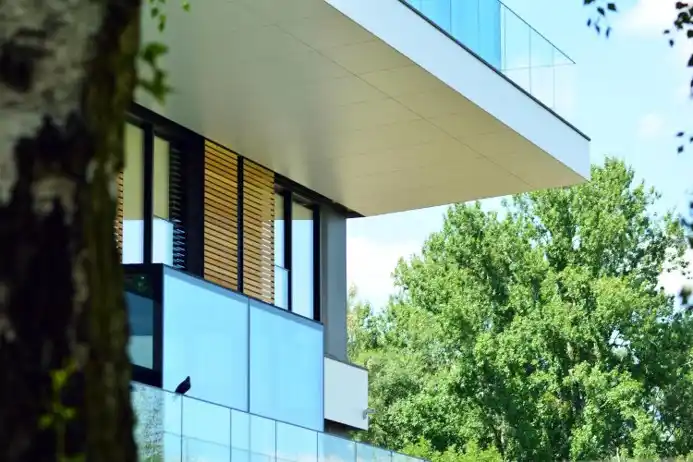
Image by grandwarszawski on Magnific
Architecture has always responded to environmental conditions in one form or another. Historically, regional climates influenced everything from roof pitch and building orientation to material selection and ventilation strategies long before modern mechanical systems became common. Today, climate-responsive design is re-emerging as one of the most important priorities in contemporary architecture, but with far greater technological sophistication and urgency than in previous generations.
Rising temperatures, unpredictable weather patterns, stronger storms, prolonged droughts, and growing energy demands are changing how architects, builders, and homeowners think about exterior design. Modern buildings are increasingly expected to do more than simply provide shelter or visual appeal. They must also regulate heat efficiently, withstand environmental stress, manage water effectively, and support long-term sustainability goals without compromising architectural quality.
As a result, exterior systems are becoming central to architectural planning itself rather than secondary technical considerations addressed later in the construction process.
Building Envelopes Are Becoming More Sophisticated
One of the biggest shifts in contemporary architecture involves the growing importance of the building envelope. Roofing systems, exterior walls, insulation layers, drainage infrastructure, windows, ventilation coordination, and moisture barriers now work together as integrated environmental control systems rather than isolated structural elements.
Architects increasingly evaluate how each exterior component contributes to overall thermal performance, airflow regulation, solar exposure management, and weather resistance across the entire structure. This integrated approach allows buildings to perform more efficiently while adapting to changing environmental conditions throughout the year.
In warmer climates, for example, reflective roofing materials, strategic shading systems, ventilated roof assemblies, and advanced insulation coordination can significantly reduce heat gain and cooling demands. In regions exposed to heavy rainfall or severe storms, drainage performance and moisture management become equally important parts of the architectural design itself.
This evolution reflects a broader understanding that long-term building performance depends heavily on how exterior systems interact together rather than how individual materials perform independently.
Roof Design Has Become More Architecturally Significant
Roofing systems are playing a much larger role in modern architectural identity than they did in many previous residential trends. Contemporary architects increasingly treat roofs as active design elements that influence environmental performance, visual proportion, energy efficiency, and structural longevity simultaneously.
Roof geometry now frequently responds to sunlight exposure, seasonal weather patterns, airflow behavior, and water runoff management rather than purely aesthetic considerations. Extended overhangs, ventilated roof cavities, integrated drainage channels, and carefully engineered slope designs have become more common in climate-responsive residential architecture.
This is especially visible in modern homes designed around passive cooling strategies, indoor-outdoor integration, and sustainable energy planning. Roofing systems often support solar infrastructure, rainwater management, thermal regulation, and ventilation coordination all at once.
Architectural projects located in heat-intensive or storm-prone environments increasingly require exterior systems capable of balancing visual simplicity with long-term environmental durability. Roofing contractors working alongside architects and builders frequently coordinate complex drainage layouts, reflective roofing materials, reinforced flashing systems, ventilation pathways, and weather-resistant structural assemblies designed to preserve both performance and architectural continuity. Companies such as Altair Austin Roofing Company are often involved in residential projects where roof replacement, storm restoration, and exterior upgrades must align closely with broader architectural objectives while still addressing demanding climate conditions.
Material Selection Is Changing Across Modern Architecture
Climate-responsive architecture is also influencing how materials are selected throughout the exterior of a building. Durability, thermal efficiency, moisture resistance, and maintenance demands increasingly shape design decisions alongside aesthetics.
Natural materials remain highly desirable in many contemporary projects, but architects are paying closer attention to how those materials respond to prolonged environmental exposure over time. Heat expansion, UV degradation, moisture absorption, corrosion resistance, and airflow compatibility all affect long-term performance.
As a result, many modern buildings now combine traditional materials with advanced engineered systems designed to improve resilience without compromising visual quality. Roofing membranes, ventilated façades, composite exterior materials, high-performance insulation products, and moisture-management layers are becoming far more integrated into contemporary residential architecture.
This shift also reflects growing client expectations surrounding long-term maintenance costs. Homeowners increasingly want buildings that retain architectural quality while requiring fewer major repairs over extended periods.
Water Management Has Become Central to Exterior Planning
Water management is another area receiving significantly more architectural attention than in previous decades. Heavy rainfall events, flash flooding, and storm-driven water intrusion continue creating major challenges for residential and commercial properties alike.
Instead of treating drainage systems as purely technical additions, architects increasingly incorporate water management into the overall exterior composition of the structure. Roof slopes, gutter placement, landscaping transitions, runoff channels, permeable surfaces, and façade detailing now contribute directly to broader climate adaptation strategies.
Poor drainage coordination can quickly undermine even visually impressive architectural projects by creating moisture intrusion, structural deterioration, insulation damage, or foundation instability over time.
This has encouraged more architects to collaborate closely with exterior contractors and roofing specialists earlier in the design process rather than waiting until construction phases are already underway.
Energy Efficiency Is Influencing Architectural Form
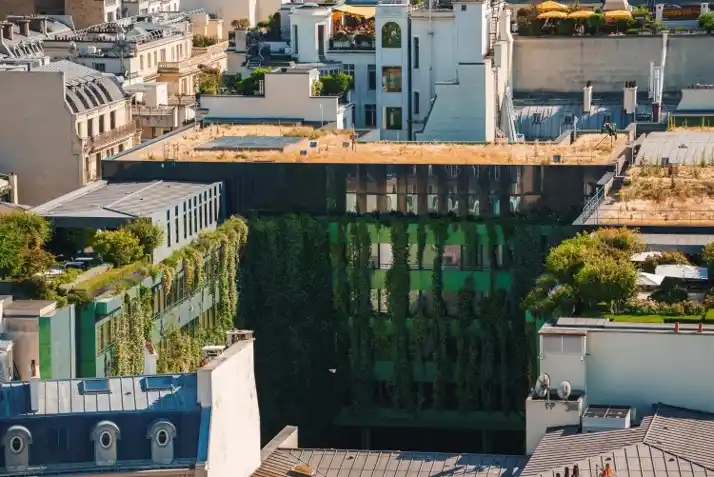
Image by inguskruklitis on Magnific
Energy efficiency concerns are also reshaping architectural form itself. Buildings are increasingly designed to minimize energy consumption through passive environmental responses before relying on mechanical systems.
Orientation planning, roof angles, shading systems, airflow pathways, insulation placement, and thermal mass strategies all influence how buildings respond to changing environmental conditions naturally.
According to The American Institute of Architects, sustainable and climate-responsive design practices continue becoming more integrated into mainstream architectural planning as energy efficiency, resilience, and long-term environmental performance play larger roles in modern construction standards.
This growing emphasis on passive performance has influenced everything from minimalist residential architecture to large-scale mixed-use developments. Architects increasingly seek ways to combine environmental responsiveness with refined contemporary aesthetics rather than treating sustainability as visually separate from design quality.
Exterior Longevity Is Becoming a Design Priority
Long-term durability has also become a defining consideration in climate-responsive architecture. Buildings are expected to maintain structural performance for decades despite increasingly unpredictable environmental conditions.
This expectation is influencing roofing selection, façade engineering, ventilation planning, insulation coordination, and maintenance accessibility throughout modern projects. Exterior systems must not only perform efficiently initially but also continue functioning reliably with minimal deterioration over time.
As maintenance costs rise and severe weather exposure becomes more common across many regions, both architects and property owners are placing greater emphasis on resilient construction methods capable of supporting long-term building stability.
This shift is gradually changing the relationship between aesthetics and infrastructure. Structural resilience is no longer hidden behind the design itself. It is becoming part of the architectural value proposition.
Climate-Responsive Design Will Continue Shaping Contemporary Architecture
Climate-responsive architecture represents more than a temporary design trend. It reflects a broader transformation in how buildings are planned, constructed, and evaluated within increasingly demanding environmental conditions.
Exterior systems now influence far more than appearance alone. Roofing performance, drainage coordination, thermal regulation, ventilation quality, and material durability all contribute directly to how effectively buildings function over time.
As climate concerns continue reshaping construction priorities worldwide, architects will likely place even greater emphasis on integrating environmental performance into the core structure of contemporary design. The future of exterior architecture will increasingly depend on balancing aesthetics, resilience, sustainability, and long-term adaptability within the same architectural vision.
Comments on this guide to Best residential roofing company in Corpus Christi article are welcome.
US Architecture Designs – architectural selection below:
USA Roofing
US Roofing Contractor and Build Posts
Questions to ask when choosing roofers
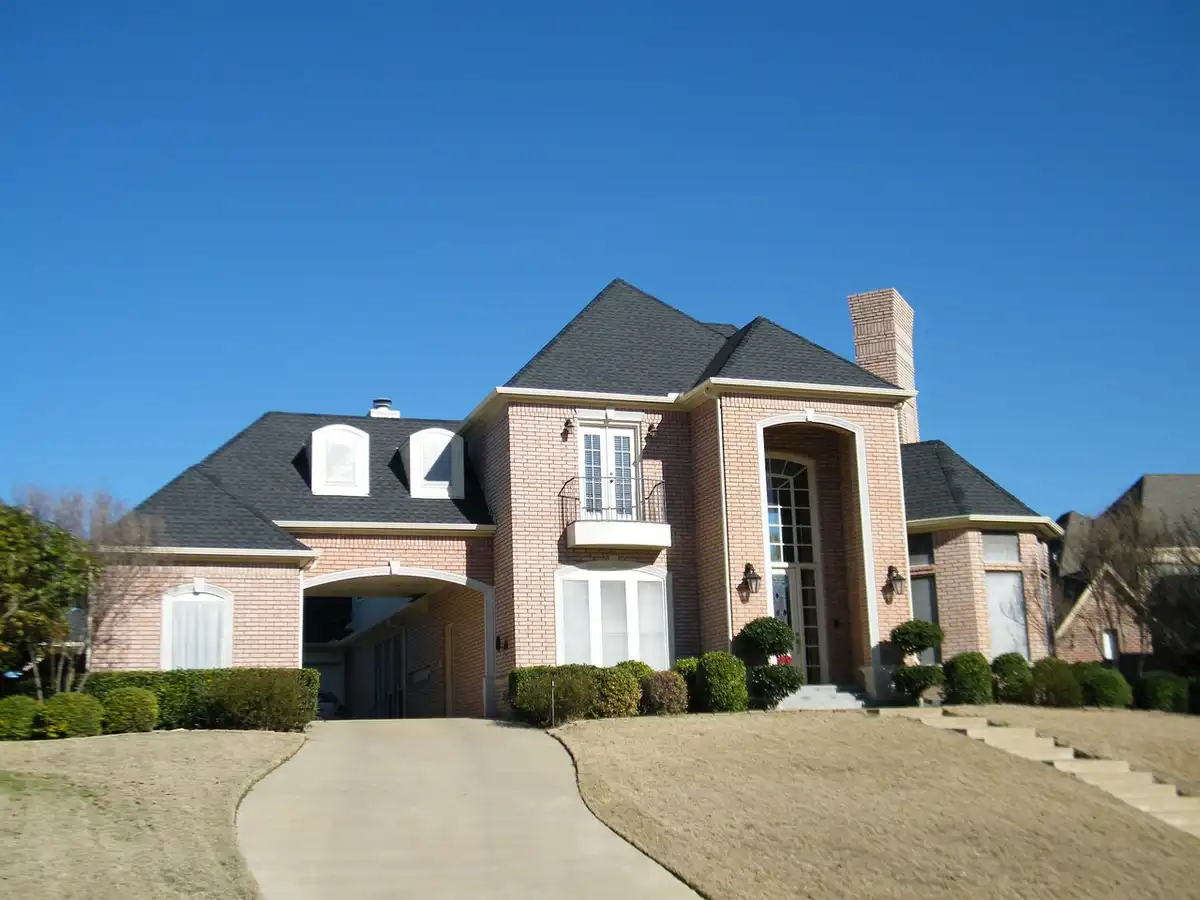
Long Island Roofing Contractor
Gainesville Roofing tips for Spring cleaning
FAQ about a new metal roof in Sinton, TX
++
Texas Real Estate
Texas Building Designs
++
Home Articles
Residential Architecture
Comments / photos for the Best residential roofing company in Corpus Christi Texas – US roof repairs guide page welcome
