
Ceramic Garden Tiles vs Porcelain Garden Tiles: Which Is More Durable?
27 October 2026
Choosing the right type of tile for your garden is a decision that can significantly impact the longevity and aesthetic appeal of your outdoor space. Two popular options are ceramic and porcelain Garden Tiles, each offering distinct characteristics suitable for various applications.
Understanding the differences between these materials is crucial for making an informed choice. This article delves into the characteristics, applications, and durability of ceramic and porcelain Garden Tiles, helping you determine which option best suits your needs.

Ceramic Garden Tiles: Characteristics and Applications
Ceramic Garden Tiles are known for their versatility and cost-effectiveness. They are often favored for their ability to seamlessly integrate into diverse color palettes and design styles. Typically made from clay, ceramic tiles are subjected to high heat during production, which gives them their strength. Despite this, ceramic tiles are generally more porous than their porcelain counterparts, making them suitable for areas that are less exposed to harsh weather conditions.
The applications for ceramic tiles are vast, with many homeowners using them for creating intricate hardscaping designs or enhancing patios. Additionally, the variety of finishes available allows for creativity in space planning and design. However, when considering outdoor tiles, it’s important to note that ceramic tiles might require more frequent maintenance due to their porosity.

Porcelain Garden Tiles: Features and Suitability
Porcelain tiles are renowned for their durability and resistance to moisture, making them a preferred choice for outdoor settings where weather exposure is inevitable. These tiles are crafted using a finer, denser clay and fired at higher temperatures than ceramic tiles, resulting in a less porous and more robust material. This manufacturing process contributes to their durability, making them ideal for high-traffic areas.
Porcelain tiles are often integrated into detailed architectural renderings and Garden Tiles projects, offering a sleek and modern finish. Their suitability extends to regions with extreme weather conditions, as they are less likely to crack or fade over time. Moreover, the variety of styles available allows for the creation of cohesive mood boards, offering designers flexibility in FF&E (furniture, fixtures, and equipment) decisions.

Durability Comparison: Ceramic vs Porcelain Tiles
When comparing ceramic and porcelain tiles, durability is a key factor that often influences decision-making. Porcelain tiles generally outperform ceramic tiles in terms of durability due to their denser composition and lower porosity. This makes them less susceptible to water damage and frost, which are critical considerations in garden settings. Porcelain tiles are also more resistant to scratches and chips, prolonging their lifespan significantly.
In practical applications, a site survey might reveal that porcelain tiles are better suited for areas prone to heavy rainfall or freezing temperatures, ensuring that the tiles remain intact over time. Meanwhile, ceramic tiles, while durable, might be better suited for decorative purposes in areas with milder climates, where their aesthetic qualities can be showcased without the risk of damage.
Factors Influencing Tile Longevity in Garden Settings
Several factors can influence the longevity of tiles in garden settings, including the quality of installation, exposure to weather elements, and the type of maintenance performed. Proper space planning and installation are vital to ensuring the tiles remain stable and secure. Using CAD (computer-aided design) tools for site plans can help in achieving accurate installations.
Moreover, creating a lighting plan that reduces direct exposure to harsh sunlight can further enhance the lifespan of Garden Tiles. Regular maintenance, including cleaning and sealing, is necessary to preserve the finish schedule of both ceramic and porcelain tiles. Additionally, incorporating acoustic panels can shield tiles from impact damage, adding an extra layer of protection in busy garden areas.
Conclusion
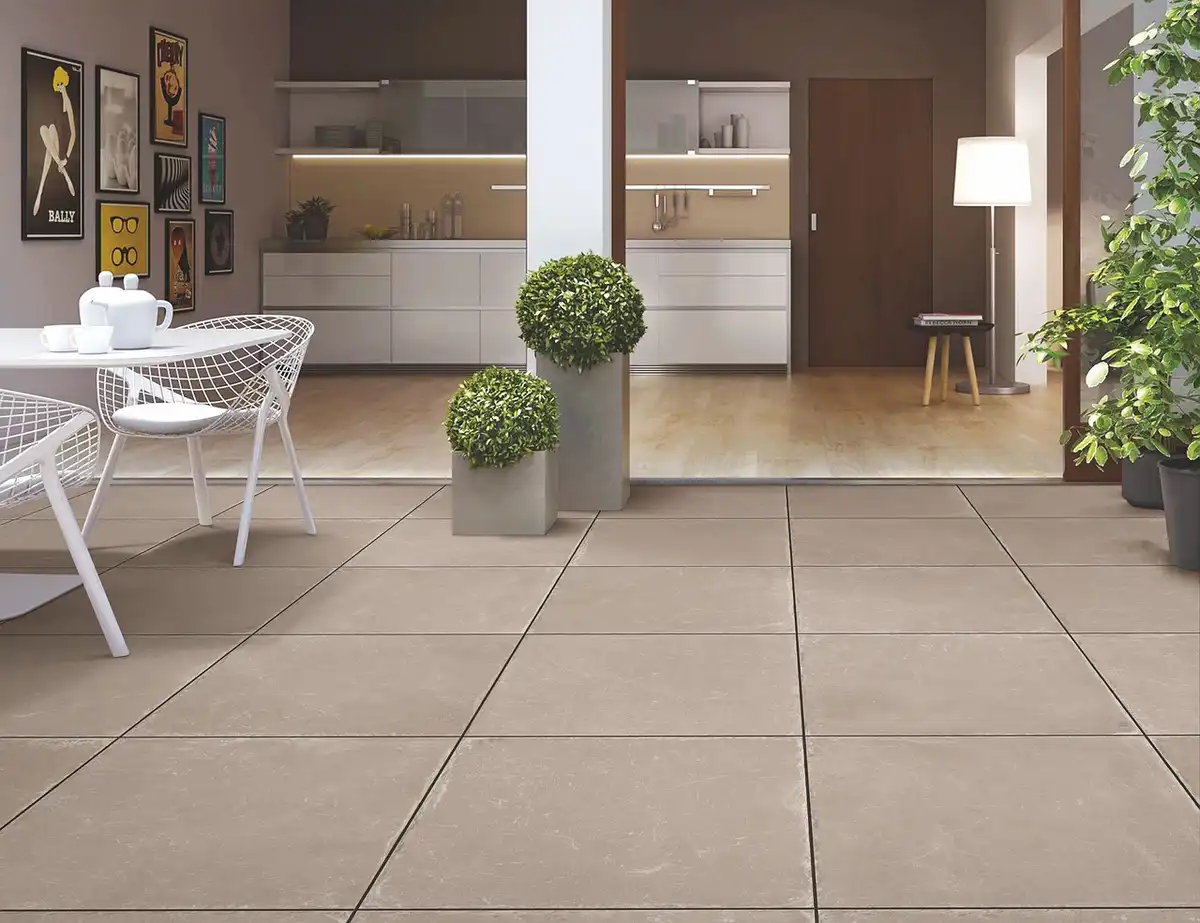
Understanding the characteristics and durability of ceramic and porcelain Garden Tiles is crucial for making an informed decision on which material to use in your outdoor space. Porcelain tiles, with their superior durability and resistance to weather elements, are ideal for high-traffic or exposed areas. In contrast, ceramic tiles offer versatility and aesthetic appeal, suitable for decorative applications in milder climates. Evaluating these factors will help you select the most appropriate tile for your garden, ensuring longevity and beauty.
Comments on this guide to Ceramic garden tiles vs porcelain garden tiles: which is more durable? article are welcome.
Home DIY Tools
DIY Tools – Do it yourself
DIY Home Improvement Projects Tools
Comprehensive toolkit for architectural design projects
Essential power tools for home DIY enthusiasts

++
Building Articles
Comments / photos for the Ceramic garden tiles vs porcelain garden tiles: which is more durable advice page welcome.


