
Cross Pines Ranch in East Texas
January 26, 2026
Design: A. Michael Architecture
Location: East Texas, USA
Photos by Robert Tsai Photography
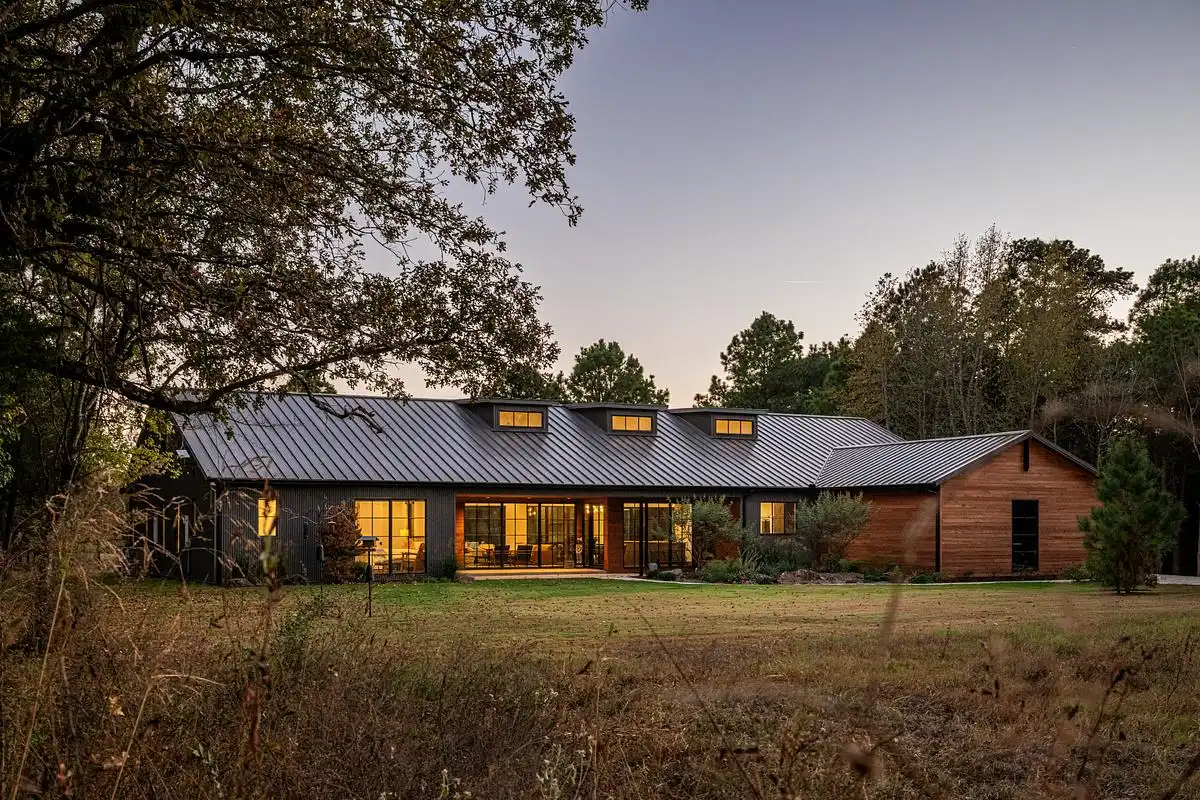
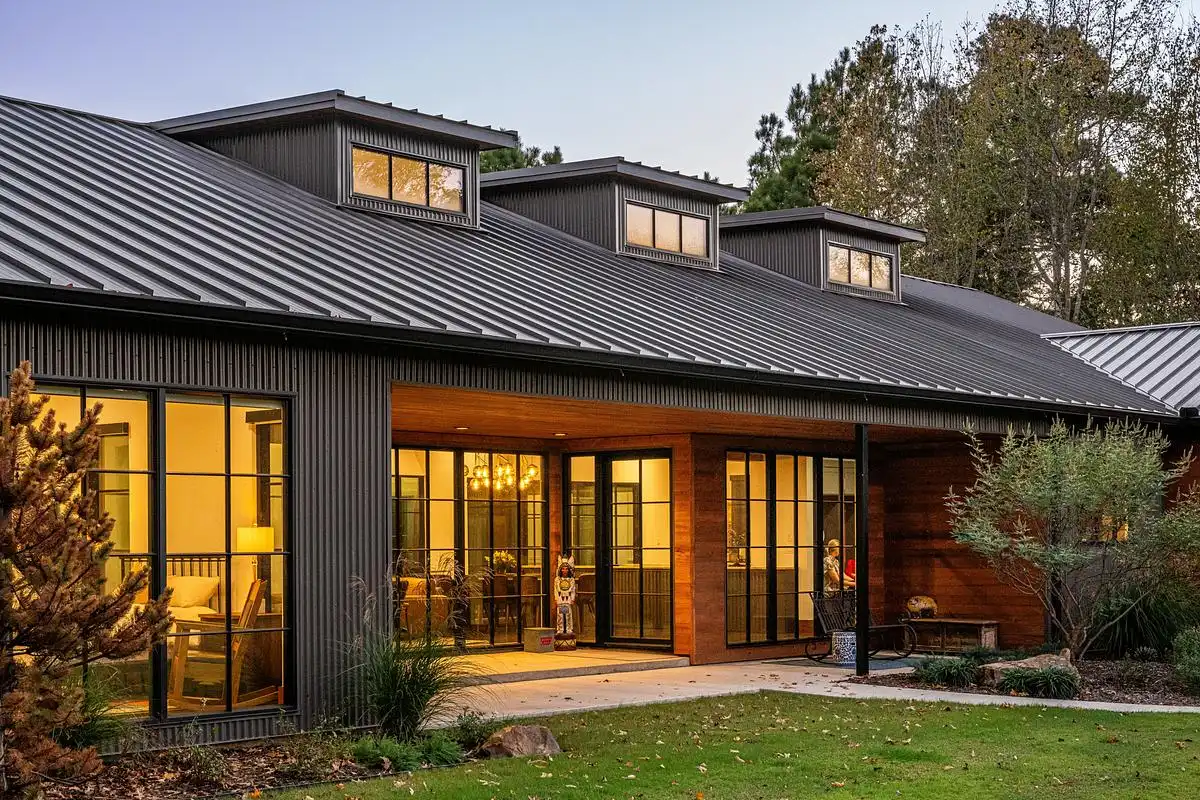
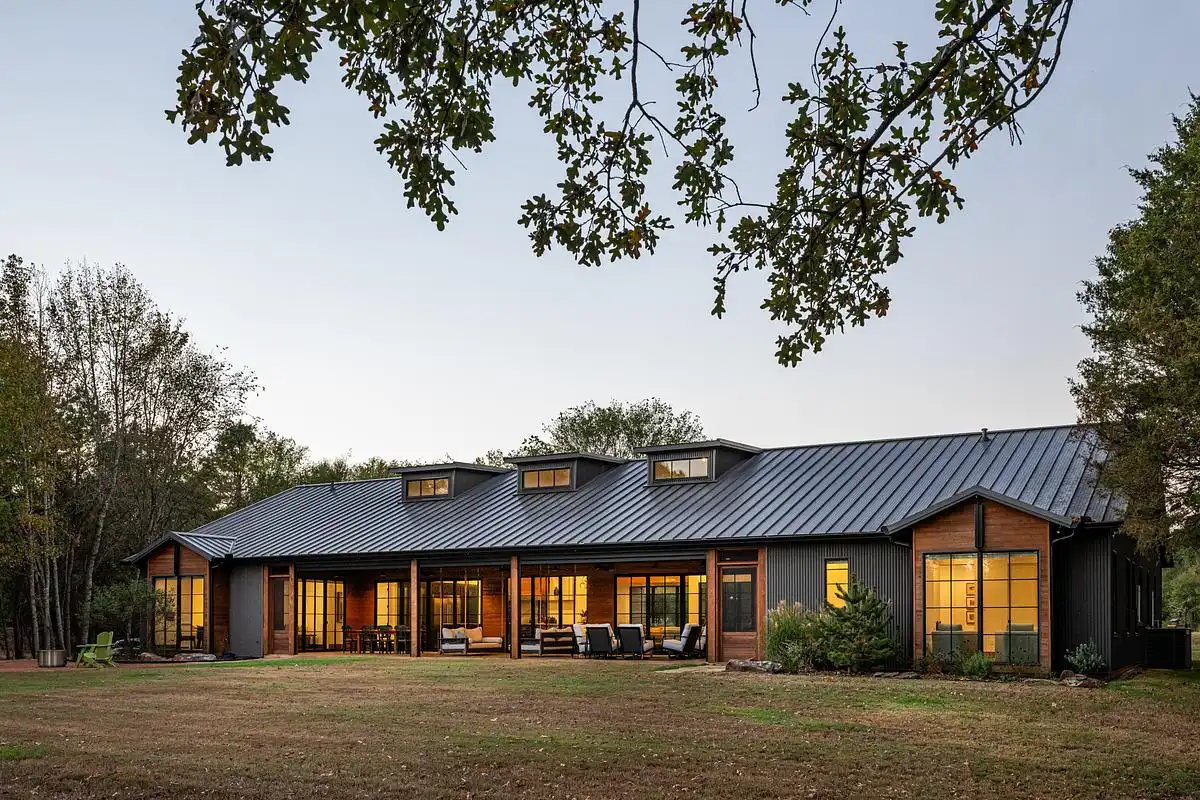
Tucked away on a private peninsula in East Texas, Cross Pines Ranch is a family retreat shaped by landscape, legacy, and the desire to slow down. Surrounded by towering trees and a quiet pond on three sides, the 3,800-square-foot Texas modern ranch was designed as a second home where generations can gather, reconnect, and create lasting memories.
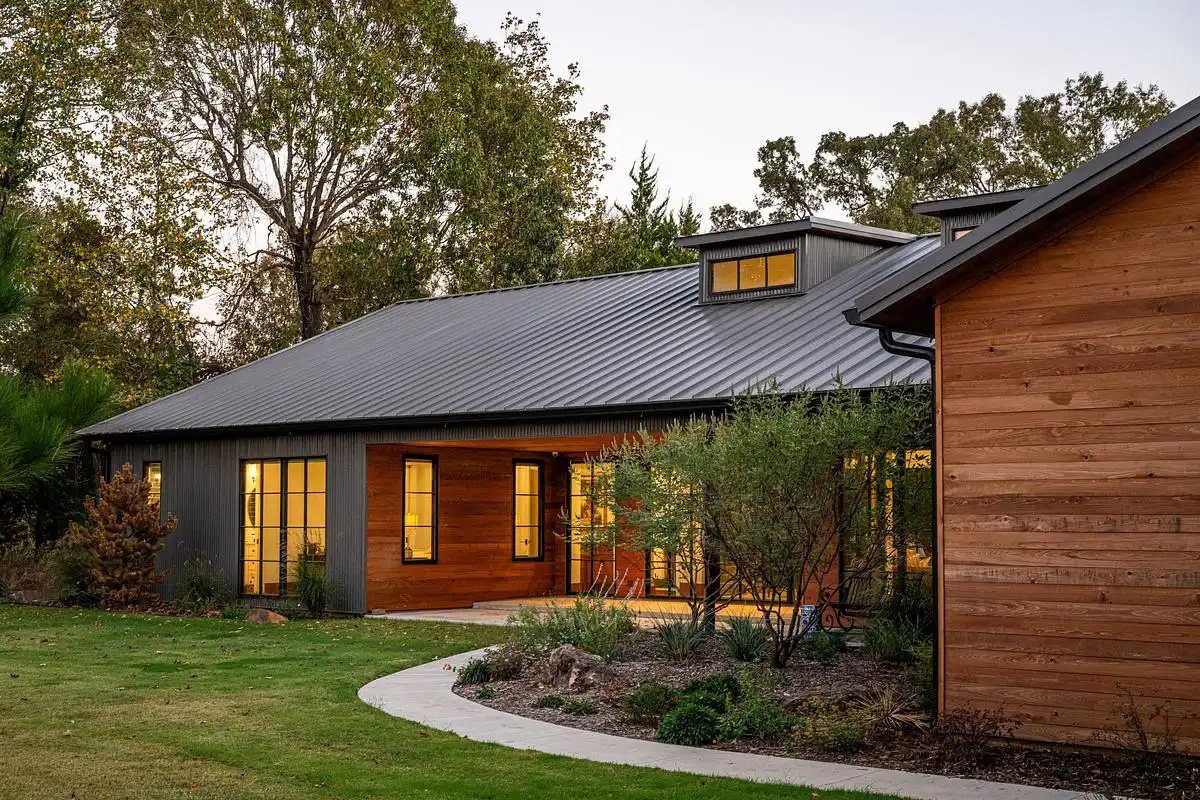
Arrival is an intentional experience. A winding drive through an open meadow leads visitors around a dense tree line, keeping the home concealed until the final turn. That moment of reveal marks a transition, away from the pace of daily life and into a place defined by stillness, nature, and connection. This sense of procession informed the architecture throughout, reinforcing the idea of the ranch as a destination rather than an object.
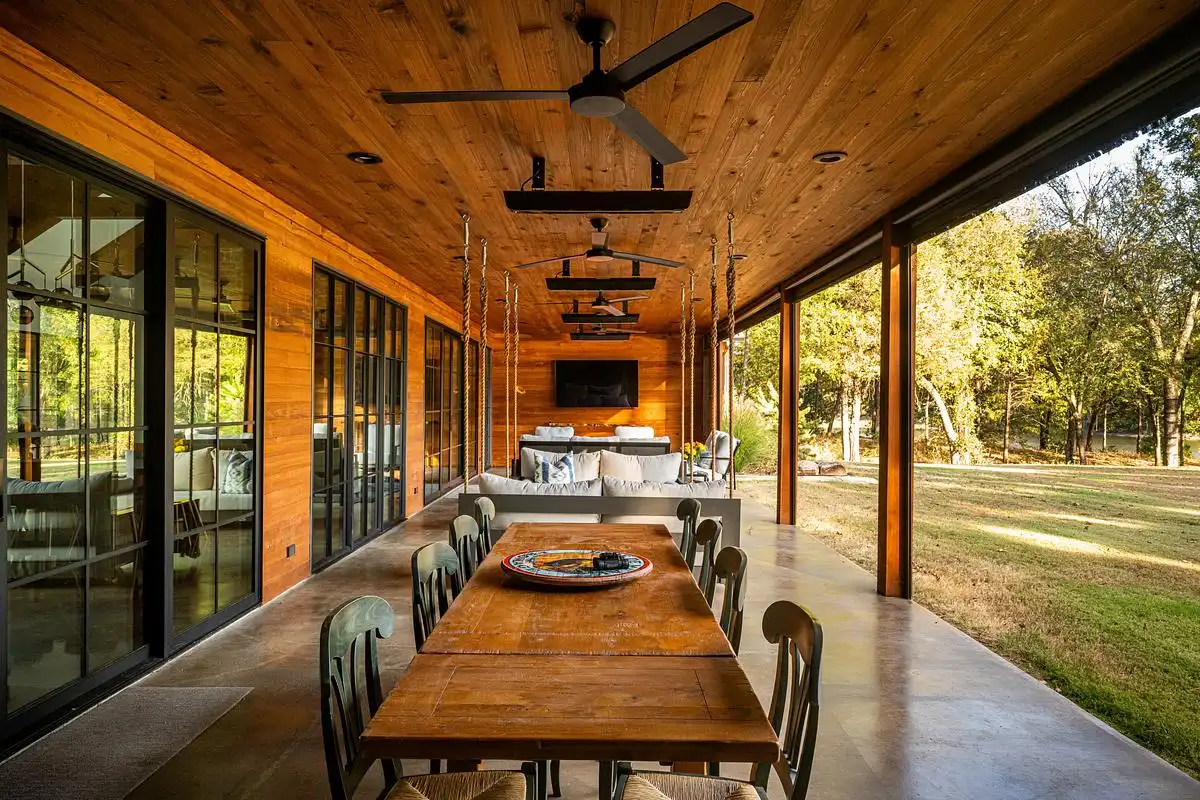
Originally envisioned as a weekend escape, the home took on deeper meaning during the design process when the clients faced unexpected health challenges. In response, the project evolved into a true sanctuary. One focused on restoration, light, and well-being. Expansive glazing frames views of the surrounding landscape, while carefully scaled volumes and deep porches blur the boundary between inside and out, allowing nature to shape daily life.
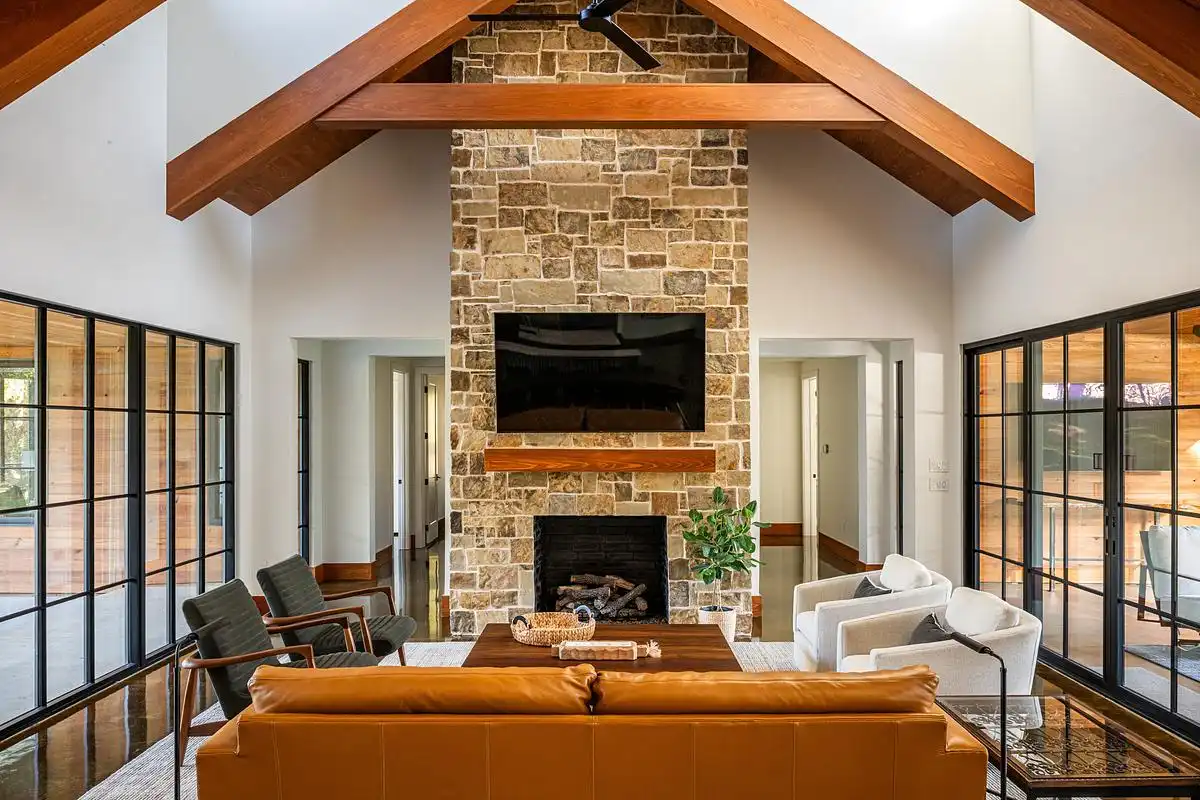
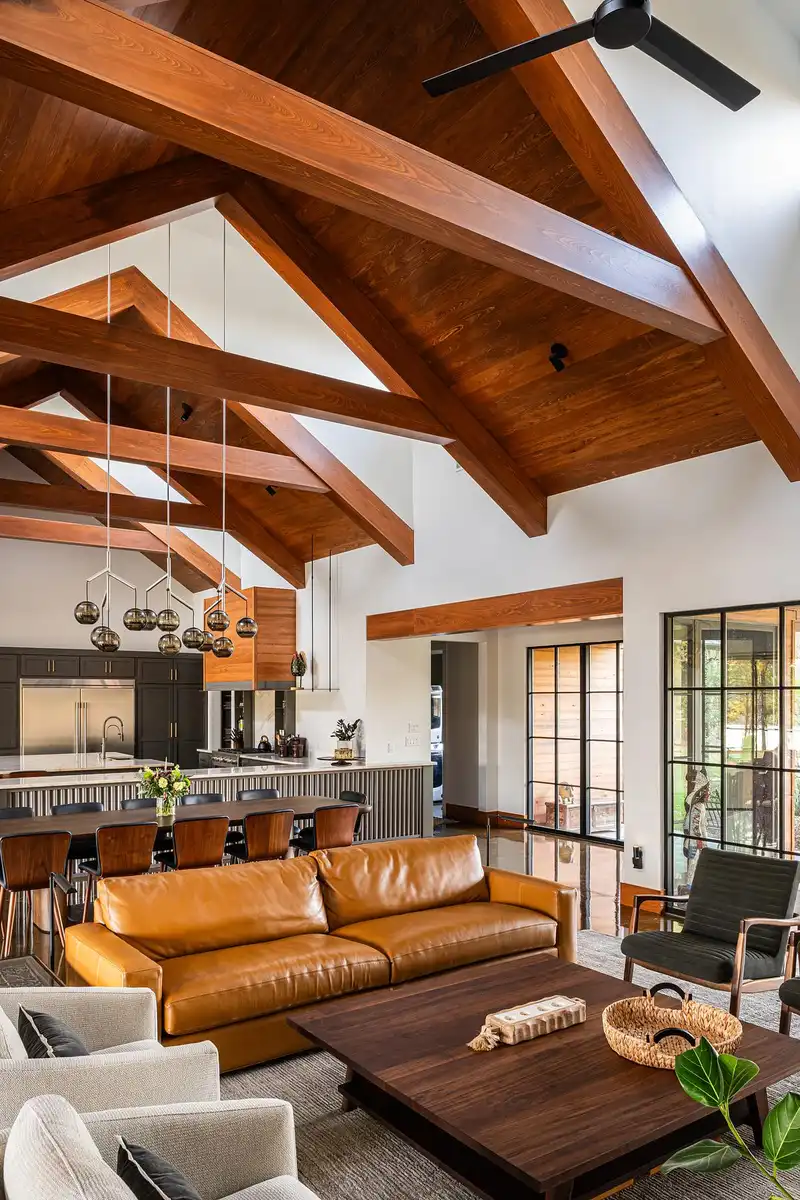
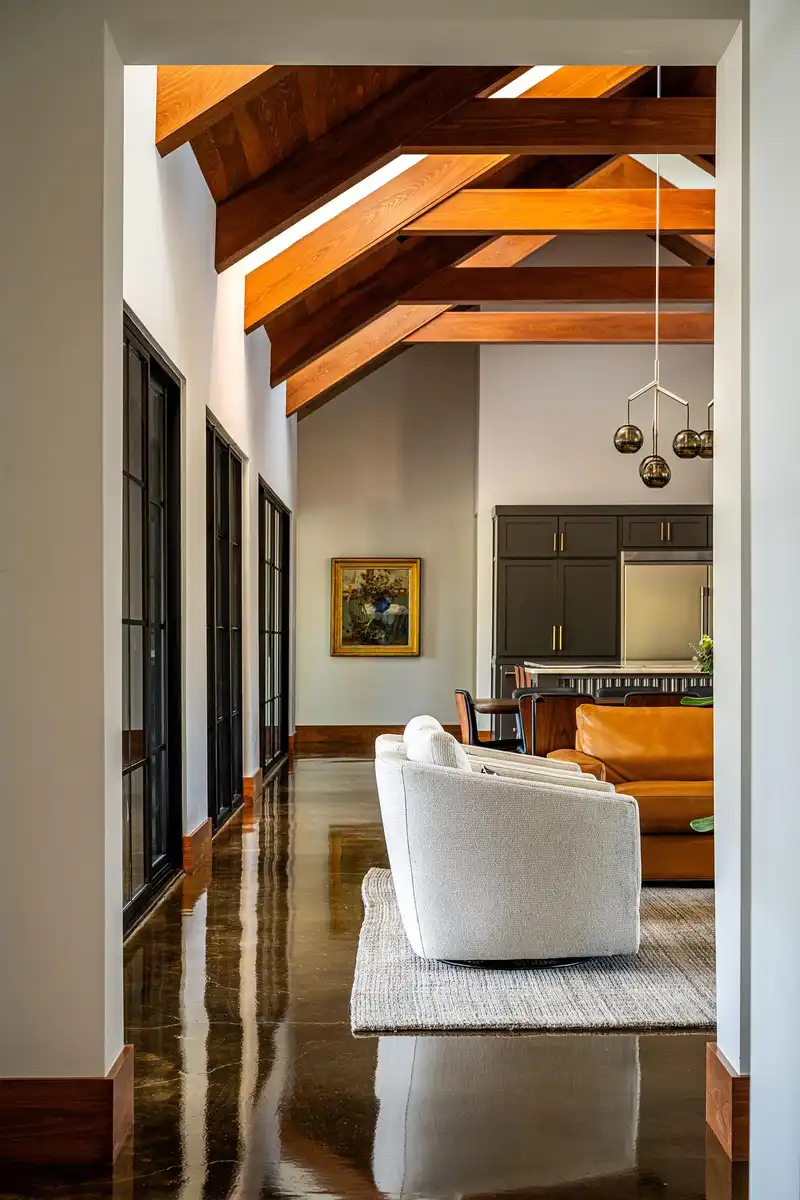
At the heart of the home is a generous central living space designed for shared meals, celebrations, and everyday togetherness. More modest private quarters, including four bedrooms and a bunk room, support rest and retreat without sacrificing connection. A restrained material palette balances rustic textures with modern refinement, grounding the home in regional tradition while maintaining a timeless sensibility.
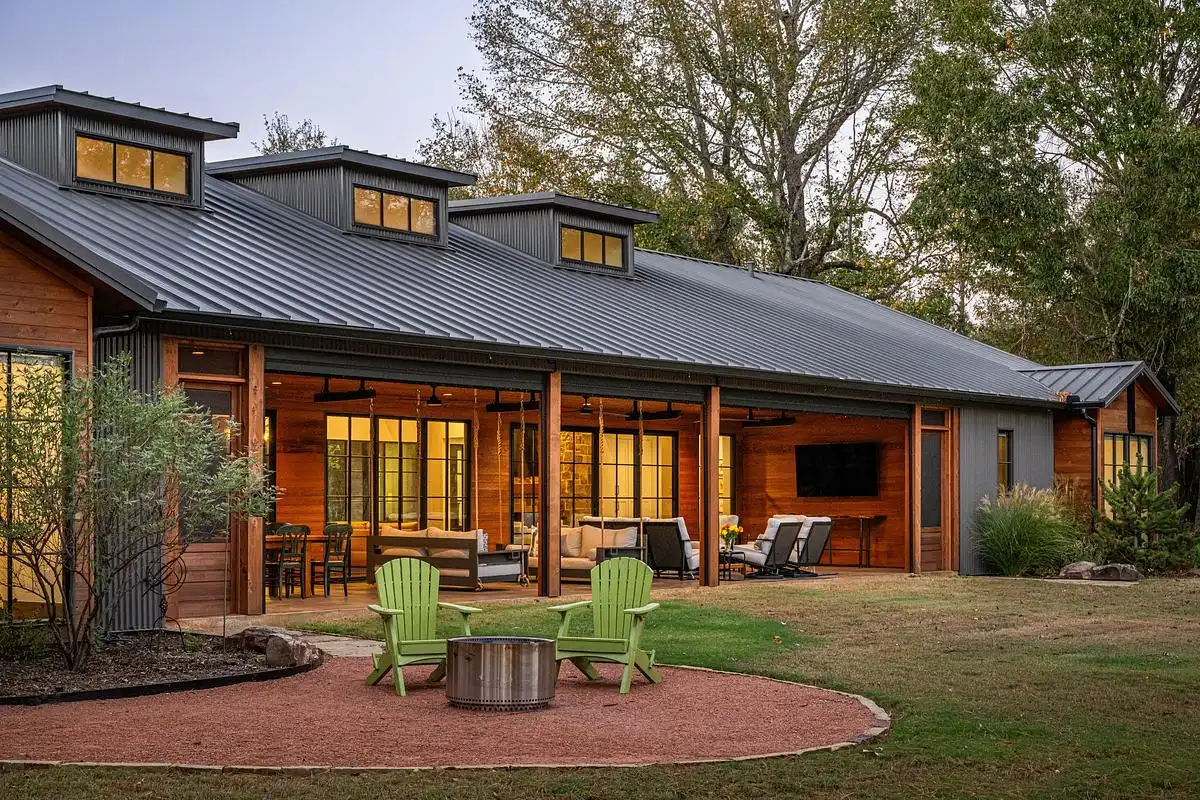
More than a residence, Cross Pines Ranch is an atmosphere, one that supports healing, reflection, and family life rooted in place. It stands as a quiet example of architecture that belongs, shaped not by trend, but by people, landscape, and the experiences meant to unfold there over time.
Cross Pines Ranch is described as a family ranch house. What specific elements or design choices were incorporated to foster a strong sense of family and tradition within the ranch setting, and how does it reflect the unique spirit of East Texas living?
From the outset, Cross Pines Ranch was envisioned as a gathering place, one designed to grow alongside the family over generations. As their children begin to form families of their own, the goal was to create a home that naturally draws everyone together while still allowing space for individual rhythms and retreat.
That intention shaped both the site strategy and the architecture itself. The home is carefully positioned within the landscape to balance cultivated outdoor spaces with the surrounding natural meadow and pond, offering multiple ways to experience the property throughout the day and across seasons. Front and rear porches frame contrasting views, open pasture on one side, water and tree canopy on the other, encouraging a constant connection to the land.
At the heart of the home is a single, generous living and gathering space designed for shared meals, celebrations, and everyday togetherness, surrounded by more modest sleeping and living quarters that support privacy without separation. This hierarchy reflects the spirit of East Texas ranch living: communal at its core, rooted in nature, and deeply connected to tradition, hospitality, and family life.
Given its location in East Texas, how does the architecture and design of Cross Pines Ranch draw inspiration from or adapt to the local landscape, climate, and regional building traditions, creating a distinct sense of place?
Cross Pines Ranch is fundamentally a response to its setting. Located on a peninsula and framed by water and dense tree cover on three sides, the home reveals itself gradually, beginning with an open meadow approach that establishes a clear sense of arrival. That procession, moving from openness into enclosure, from activity into stillness, was central to the design intent.
The architecture is deliberately quiet, drawing from regional building traditions that value durability, simplicity, and a close relationship to the land. Rather than competing with the landscape, the home is designed to sit within it. Anchored, grounded, and deferential to its surroundings. Deep, shaded outdoor spaces, and a strong connection between interior and exterior help the home respond to East Texas’s climate while encouraging a slower, more intentional way of living.
Robert Tsai Photography was responsible for documenting Cross Pines Ranch. What was the creative vision behind the photography, and what specific aspects of the ranch’s character, design, or family life did you aim to highlight through the lens?
The photography approach was rooted in experience rather than prescription. We intentionally gave Robert Tsai minimal direction, beyond a few priority moments, allowing him to encounter the ranch as a visitor would. That freedom was important, as the project itself is defined by procession, discovery, and a gradual unfolding of place.
Because the experience of arriving, moving through the landscape, and settling into the home was so central to the design process, we wanted the photography to reflect that same sense of orientation and grounding. The images emphasize how the architecture sits within its environment, framed by trees, water, light, and distance, rather than isolating the building as an object.
Through the lens, the goal was to capture not only the design but also the ranch’s atmosphere. It’s quiet moments, its connection to the land, and the way it supports gathering, retreat, and everyday family life. The result is a body of work that feels lived-in and place-driven, reinforcing the idea that the home is experienced as much as it is seen.
Beyond its physical structure, what kind of lifestyle and experiences does Cross Pines Ranch offer its inhabitants and visitors? How does the ranch facilitate connection with nature, community, or specific activities unique to a ranch environment?
From the beginning, Cross Pines Ranch was conceived as a retreat, a place where the family could step away from city life and immerse themselves in nature. While that intention remained constant, it took on deeper meaning when the client experienced a health setback during the design process. The ranch evolved into something more than a destination; it became a place of restoration, both physically and mentally.
The property encourages a slower, more intentional way of living through everyday engagement with the landscape. Time is spent walking through the forest, fishing along the shoreline, paddling across the water, or simply gathering around a fire under the night sky. These experiences are not programmed but naturally embedded in the site and its surroundings, allowing each visit to meet people where they are.
In this way, the ranch supports healing, reflection, and renewal. It fosters connection to nature, to family, and to oneself. Offering space to reset, regain strength, and move forward grounded in a quieter, more meaningful rhythm of life.
What was the overarching vision or inspiration behind the creation or evolution of Cross Pines Ranch, and what kind of legacy do you hope it establishes for future generations or for the region?
The vision for Cross Pines Ranch was rooted in creating something deeply attuned to its place, an architecture defined by regional appropriateness in scale, materiality, and intent. From the beginning, the goal was not to make a statement, but to create a home that belongs. One that harmonizes with its surroundings while providing a healthy, safe, and enriching environment for out client, their families, and future generations.
Rather than prioritizing architecture as an object, the design focuses on shaping experiences. The built form enhances the property’s natural beauty while creating a series of dynamic, livable spaces that support rest, connection, and well-being. Simplicity, durability, and restraint guided the process, allowing the architecture to quietly frame life rather than compete with it.
In terms of legacy, the hope is that Cross Pines Ranch stands as an example of thoughtful regional design. One that demonstrates how buildings can be both humble and meaningful, tailored not to trends, but to people, place, and the rhythms of life lived there. It’s less about creating something new and more about creating something right for its setting, its inhabitants, and the experiences it is meant to support over lifetimes.
Cross Pines Ranch in East Texas, USA home – Building Information
Architects: A. Michael Architecture – https://www.amichaelarch.com/
Project size: 3800 ft2
Site size: 218660 ft2
Project budget USD 1,000,000
Completion date: 2024
Building levels: 1
Interior Design: Jen Brown Designs
General Contractor: Lee Knight Construction
Photography to Robert Tsai Photography
Cross Pines Ranch, East Texas, USA home images / information received 260126
Location: East Texas, United States of America.
Texas Homes
Texan Architectural Designs – selection:
The Falcon Ledge Residence, Austin
Architecture: Alterstudio design
photo : Casey Dunn
Vale House, Austin, Texas
Architecture: Furman & Keil Architects
photo : Dror Baldinger AIA
Lagniappe House, Horseshoe Bay
Design: Dick Clark + Associates
photo : Dror Baldinger AIA
+++
Architecture in the USA
America Architecture News – latest building updates
Comments / photos for the Cross Pines Ranch, East Texas, USA design by A. Michael Architecture page welcome


