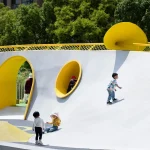
Rupin Park in Jerusalem District, Israel
23 February 2026
Design: Ollech + Tol
Location: Jerusalem District

Photos by Harel Gilboa
Rupin Park is a distinctive urban park located in the heart of Jerusalem’s cultural, academic, and governmental district, spanning approximately 36 dunams. The park was designed to connect the city’s administrative buildings, cultural institutions, and key urban landmarks, creating a vibrant public space that serves residents, employees, and tourists alike. The overall vision was to provide a welcoming, accessible, and open environment that balances leisure, play, and natural landscapes, while maintaining a harmonious relationship with the city’s topography and historic character.

Rupin Park in Jerusalem District – Israel Urban Landscape Design
One of the central design principles of Rupin Park is the creation of a green oasis in a dense urban setting. The park is highly accessible yet offers areas of retreat, blending high-quality landscapes with practical functionality. Visitors can enjoy both intimate spaces for quiet reflection and expansive zones suitable for larger groups. This duality ensures the park remains a versatile environment that accommodates a wide range of activities, from solitary strolls to community events.

A key aspect of the design is the seamless integration between Shderot Rupin and the park itself. The park is situated at a lower level than the street, allowing for visual and physical connections between the city and the green space. The design fosters mutual engagement: passersby can overlook and appreciate the park, while activity within the park animates the street. This relationship strengthens the urban fabric and encourages people to move fluidly between the built and natural environments.


Preservation of existing trees and careful utilization of the site’s natural topography were also central to the design. Out of 385 trees surveyed before the project, the majority were retained, providing depth, layered greenery, and immediate climatic benefits. The project minimized earthworks to maintain natural slopes, aligning with municipal planning objectives to conserve the area’s rocky terrain. In addition, new plantings enhance the existing Mediterranean woodland in the lower park and complement ornamental shade trees near the upper areas, creating a cohesive and resilient ecological environment.

Connectivity and accessibility were key considerations throughout the design. Two main parallel pathways extend the length of the park, with the upper path linking directly to Shderot Rupin and occasionally merging with it. The lower path is connected to the upper path via eight access points, including ramps for accessibility and stairs for pedestrians. The first phase of the park stretches approximately 400 meters, allowing visitors to move between upper and lower sections every 50 meters. Both ends of the parkcurve back inward, creating continuous, circular routes for walkers, runners, and general visitors. The maximum gradient along the lower path does not exceed five percent, ensuring ease of movement for all users. The path network also connects to the entrance plaza of the nearby Science Museum, enhancing urban integration.

Rupin Park accommodates a wide variety of activities. It offers open areas for social gatherings, children’s play, outdoor classrooms adjacent to the Science Museum, jogging, observation, and sports. A playful misting installation serves as a focal point during the summer, providing visual and interactive interest. The park also features expansive lawns, colorful gardens, terraces for seating, and shaded areas that invite relaxation, social interaction, and immersion in nature. The park’s design emphasizes the combination of natural and built elements. Pergolas and small structures are integrated seamlessly with lawns and pathways, creating inviting spaces for rest, socialization, and community events. A future café is planned to provide an additional meeting point, further enhancing the park’s functionality. Night-time lighting highlights key features, including the misting installation, making the park an attractive destination throughout the day and evening.


Rupin Park exemplifies how urban design can enhance public space, improve quality of life, and strengthen social connections. By balancing innovative landscape architecture with the preservation of historical and natural elements, the project demonstrates how thoughtfully planned parks can become inclusive, engaging, and ecologically resilient urban environments. The park’s accessible pathways, varied activity zones, and ecological sensitivity reflect a contemporary approach to urban design that prioritizes both people and the natural environment.


Overall, Rupin Park is a model of contemporary urban landscape architecture, illustrating how cities can integrate green spaces into dense urban contexts while providing meaningful, enjoyable, and multifunctional public areas. The park connects the city’s cultural and
governmental institutions with the natural landscape, creating an urban oasis that enriches the everyday experience for residents, workers, and visitors alike.


Rupin Park in Jerusalem District, Israel – Building Information
Design: Ollech + Tol https://www.olltol.com/, Nati Ollech
Aviel Argaman

Photos: Harel Gilboa
Rupin Park in Jerusalem District, Israel images / information received 230226
Location: Jerusalem, Israel, Middle East.
Jerusalem Architecture Designs
Contemporary Jerusalem Architectural – selection from e-architect:
Stuart Weitzman Tennis Complex, Ben B. & Joyce E. Eisenberg Israel Tennis & Education Center, Jerusalem
Design: HQ Architects
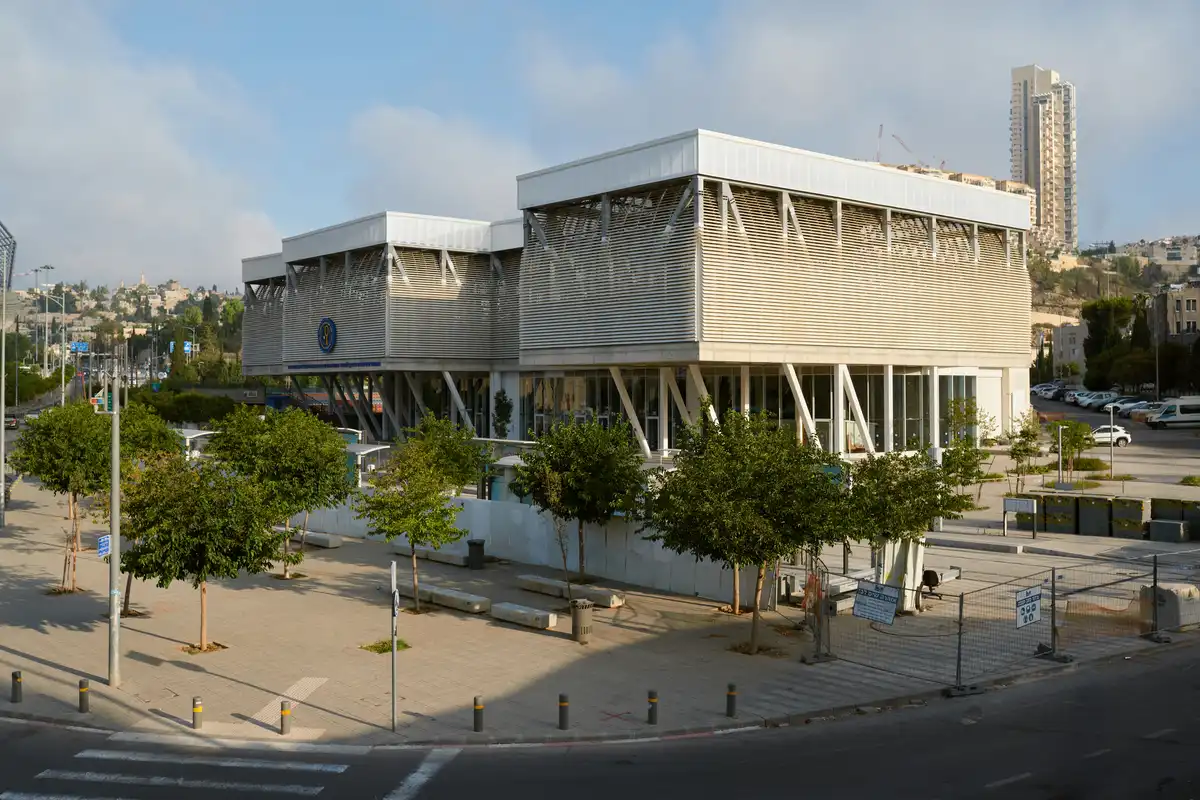
photo : Dor Kedmi
Edmond and Lily Safra Center for Brain Sciences in Jerusalem
Design: Foster + Partners
Esther Tower, Jerusalem
Architects: HAMR Huť Architektury Martin Rajniš
Jerusalem City Hall District Regeneration – Office Complex
Architects: Chyutin Architects with Jacques Dahan architect
Friends of Zion Museum, Jerusalem – FOZ
Architects: Ollech + Tol
++
New Israeli Buildings
66 HaAliya Residential Building, Zikhron Ya’akov, Bat Galim neighborhood, Haifa District
Design: Ollech + Tol
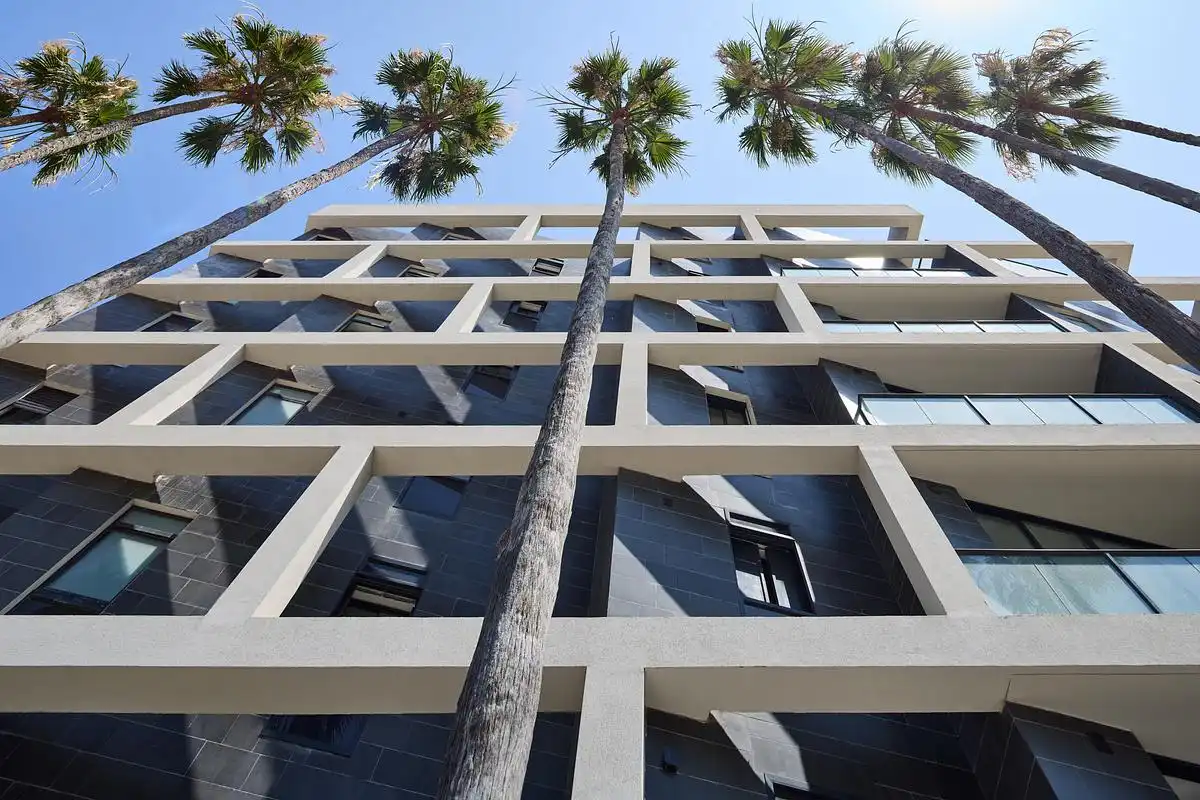
photo : Harel Gilboa
Comments / photos for the Rupin Park in Jerusalem District, Israel building design by Ollech + Tol architecture studio page welcome.