
5 Ways Woven Wire Mesh is Used in Modern Architecture
24 October 2025
Woven wire mesh has long been relied upon in industries such as quarrying, mining, and agriculture, but in recent years it has also become an exciting material for modern architecture. Its combination of strength, flexibility, and visual appeal makes it a favourite with architects, designers, and specifiers who want to balance form and function.
Unlike many construction materials that serve a single purpose, woven wire mesh adapts to a wide range of applications, both decorative and structural. Whether used indoors or outdoors, it delivers durability while offering designers a creative medium that transforms the way buildings are experienced.
Partition Walls for Open Spaces
Partition walls are one of the most common ways woven wire mesh is used in architecture today. Unlike solid walls, mesh partitions divide areas while allowing light and airflow to move freely through a space. This creates an open and airy atmosphere that is popular in offices, retail stores, and hospitality venues. For example, in a co-working office, woven wire mesh partitions allow teams to have defined zones without creating the closed-off feeling that traditional walls often bring.
The versatility of mesh patterns also gives designers freedom to adjust how private or open the partition feels. A tighter weave creates greater separation, while an open weave enhances visibility. Materials such as stainless steel offer a clean, contemporary appearance, while brass or copper introduce warmer tones. By selecting the right combination of weave and finish, designers can create partitions that complement both functional needs and the overall interior style.
Building Facades and Cladding
Exterior cladding is another area where woven wire mesh is widely used. Architects increasingly turn to mesh facades because they combine protection with aesthetic interest. Mesh can act as a second skin for a building, shielding it from harsh weather while adding texture and depth. It also interacts beautifully with light, creating different effects throughout the day as sunlight shifts across the surface.
Corten steel mesh is particularly striking for facades, as it weathers to a natural rust-like finish that changes over time. This makes it ideal for projects where architects want the building to develop character as it ages. Bronze and copper meshes also bring a sense of richness and warmth, making them popular for high-end commercial or cultural projects. Stainless steel, on the other hand, provides a sleek, modern look that works well with contemporary glass and concrete structures.
Balustrades and Safety Features
Balustrades, staircases, and balconies all require materials that meet safety standards without compromising on design. Woven wire mesh offers both strength and transparency, making it an ideal choice for these applications. When used in railings, the mesh prevents falls while allowing views through the structure, reducing visual heaviness compared to solid panels.
Architects can specify different mesh densities to achieve the desired balance between openness and safety. For example, tighter weaves provide extra security in public spaces, while more open patterns maintain a sense of lightness in residential or hospitality projects. The material’s durability also means it can handle the wear and tear of high-traffic environments, making it a long-term solution for both safety and design.
Interior Design Features
Inside buildings, woven wire mesh is valued as much for its decorative qualities as its practical ones. It is often used in ceilings, wall panels, and even bespoke furniture to introduce texture and an industrial edge. In hospitality interiors, materials like brass and copper mesh bring warmth and elegance, especially when paired with lighting. Mesh surfaces can create striking shadows and reflections that turn ordinary walls into dynamic features.
Designers are also experimenting with wire mesh in more unusual ways, such as cabinet fronts, shelving, or room dividers in private homes. These features highlight how the material can move beyond its industrial roots to become part of everyday living spaces. Its adaptability makes it a creative tool for designers who want to bring uniqueness and character into their projects.
Rainscreens and Ventilation Panels
Beyond aesthetics, woven wire mesh is highly effective in functional applications such as rainscreens and ventilation panels. In these uses, the open structure allows air to circulate freely while still providing protection from rain and debris. This makes it well suited to exterior cladding systems, data centre buildings, and industrial facilities that require airflow for cooling.
Stainless steel is often the material of choice for these applications because of its resistance to corrosion and ability to withstand challenging outdoor conditions. However, architects sometimes select bronze or corten steel when they want to combine performance with a distinctive appearance. The balance of practicality and style is one of the reasons fine woven wire mesh remains so popular across a wide range of industries.
Conclusion
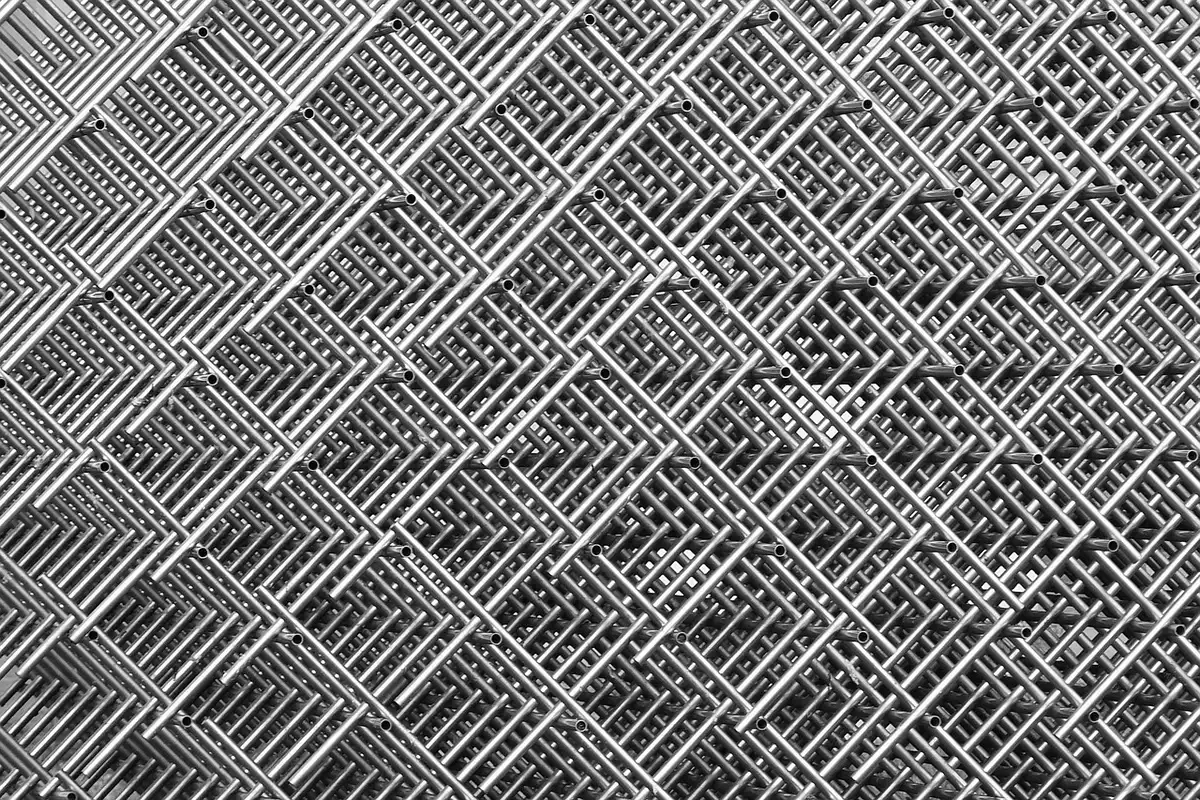
Woven wire mesh has grown far beyond its traditional industrial use to become a defining feature of modern architecture. Its ability to deliver strength, flexibility, and striking visual effects makes it a versatile material that supports both practical requirements and creative ambition. Whether chosen for partitions, facades, safety features, interior design, or functional panels, woven wire mesh offers architects and designers a trusted way to bring texture, light, and durability into their projects.
Comments on this guide to Woven wire mesh in modern architecture article are welcome.
Architecture
Architectural Designs
Woven wire mesh is changing modern architecture
Common wall cladding design problems solutions
Balance functionality and aesthetics in your home
++
Building Articles
Residential Architecture
Comments / photos for the Woven wire mesh in modern architecture – Property cleaning insights page welcome.


