
Common Wall Cladding Design Problems
post updated 23 October 2026
23 October 2025
Stylish Solutions to Common Wall Cladding Design Problems
If you have ever dreamed of transforming a plain wall into a design statement, wall cladding probably caught your attention. Those textured, layered surfaces look stunning in magazines and luxury homes until you realise that they are not that always easy to recreate in reality.
But here is good news for all the homeowners, every design problem has a solution. If you address the problem beforehand and keep in mind a few things, then you can create a space that not only stylish but lasting. Let’s know more in depth about the material choice and design know-how and other parameters to include or avoid.
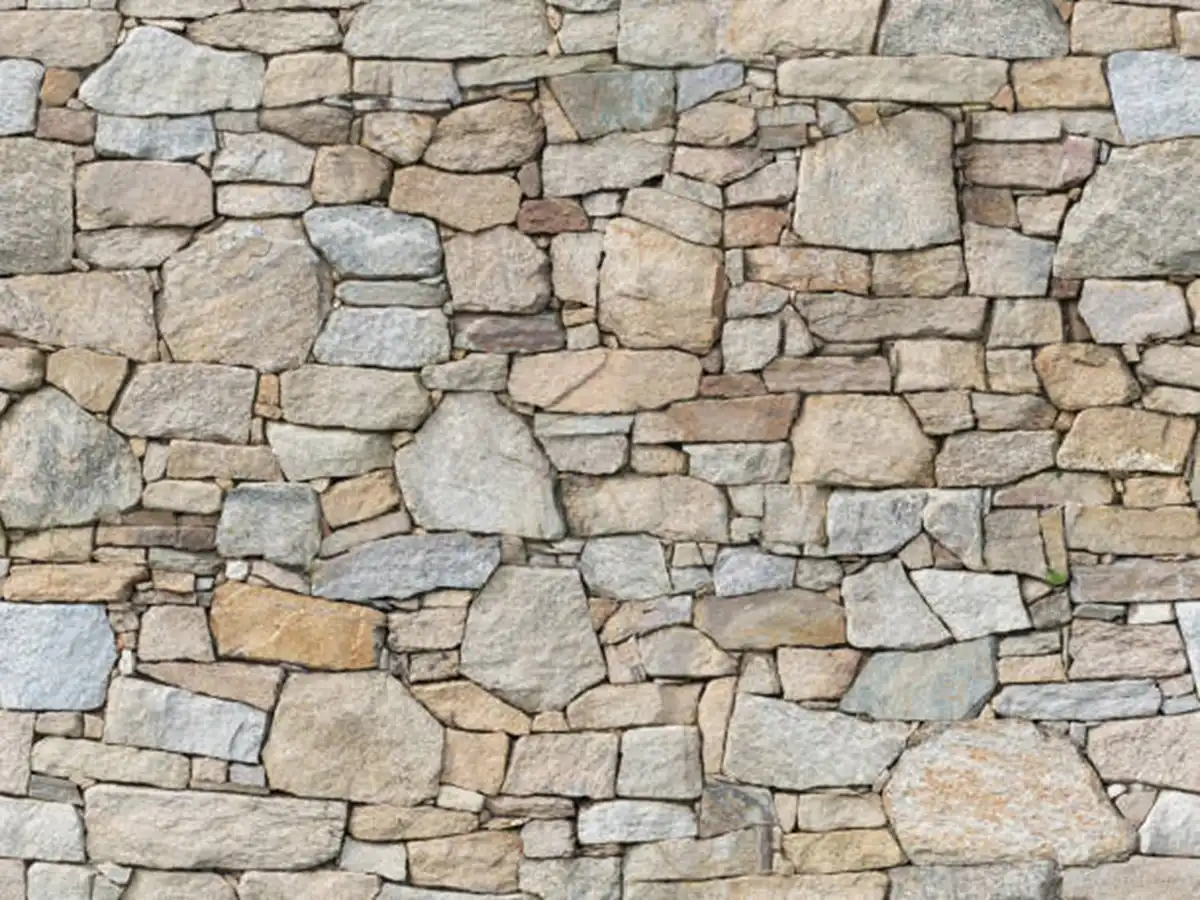
Things to Avoid while Designing
Before you dive into your wall cladding project, take a moment to step back and plan. Avoid these common mistakes to make sure your cladding looks as stunning in reality as it did in your imagination.
The Colour Clash Dilemma
One of the most common wall cladding design problems is colour mismatch. One of the primary reasons why homeowners pick cladding is just because it looks beautiful on a display wall, without looking for other factors like how well it will go with the natural light or surrounding finishes. A stone that looks soft beige indoors might appear too yellow or dull under outdoor light.
The Fix: It is always smarter to check the sample material before using it for your cladding. For example, if you want to go with stacked stone tiles, check the sample in the natural daylight before installation. Try holding them against your existing paint, roof and flooring to get a clear idea of how it will react in the natural light. For modern homes, neutral tones such as silver-grey or ivory tend to stay timeless, while earthy shades are great for traditional architectural styles.
Uneven Layouts and Poor Pattern Flow
A beautiful cladded wall can easily lose its charm if the pattern looks uneven or the joints don’t align properly. This usually happens when there is no proper layout plan before the installation.
The Fix: See your wall like a piece of art. The exterior stone wall cladding pattern should be laid out on the ground before installation to ensure the flow of the pattern. Mix tiles from different boxes to achieve a natural, random look rather than repetitive bands.
Ignoring the Texture Balance
Texture is the core of every design, it decides how the spaces look and feel. It gives your cladding a personality. A Perfect balance can truly transform your space into extraordinary. But too much texture in one area can overpower your space, while too little can make the design feel flat. Many homeowners end up using textured stones everywhere on walls, pillars and fireplaces, that makes the space look overwhelming.
The Fix: Balance is everything. If you are using stacked stone tiles for your main feature wall, complement them with smoother surface nearby, like plastered or painted walls. This allows the texture to stand out as a design statement. In addition, you can mix finishes, such as rough stone on the exterior and honed stone on the interior, to create continuity without creating visual clutter.
Wrong Stone for the Wrong Place
Not all stones are meant for all locations, a design mistake that often leads to maintenance nightmares. There are some porous materials that absorb water, fade under sunlight or chips easily when used outdoors.
The Fix: It is best to go for only high-quality material. Pick materials like Granite, Slate or Travertine for outdoor walling. They can withstand heat, rain and wear over time. For interiors, you can opt for softer stones like Travertine or Limestone to create a cosy and inviting look.
Forgetting the Human Touch in Design
A home should feel inviting, not just perfect. One subtle problem many people face is creating spaces that feel too cold or architectural, lacking warmth.
The Fix: Layer your cladding design with personal details. Add wooden accents, greenery or soft lighting nearby to bring life to the texture. A rough stone walling when paired with warm light and a wooden bench instantly feels welcoming. Designing isn’t just about aesthetics but more about the emotional connection.
Don’t Forget Maintenance and Sealing
You will be surprised how many homeowners overlook stone care. Dust, water stains and moss growth can quickly ruin the finish of the design, during the humid climate.
The Fix: Always seal your stone after installation. A quality sealer can enhance the colour, repel moisture and prevent stains. For outdoor cladding, periodic cleaning is the best choice. It’s best to avoid the harsh chemicals, as they damage the natural beauty of the stone.
Final Thoughts
Designing with wall cladding is both an art and science. While it’s easy to get lost in the endless variety of colour and design choices, the real magic lies in the balance of each aspect.
Whether you want to create a modern cladding or a traditional style, smart planning and the choice of high-quality material will ensure your space looks beautiful and lasts for years. At the end of the day, your walls tell a lot about your home, make sure they reflect your style and warmth.
Comments on this guide to Things to know about wall cladding systems article are welcome.
Building Facades
Facade Posts
Things to know about the wall cladding

Natural slate rainscreen cladding system
Fire-Safe Aluminium Rainscreen Cladding
++
Building Articles
Residential Architecture
Comments / photos for the Stylish Solutions to Common Wall Cladding Design Problems advice page welcome


