
Balance Functionality and Aesthetics in Your Home Design
post updated 21 October 2026
21 October 2025
Designing a home that feels both beautiful and practical is one of the most rewarding challenges in interior design. A functional space makes everyday living smoother, while an aesthetically pleasing one brings comfort and inspiration.
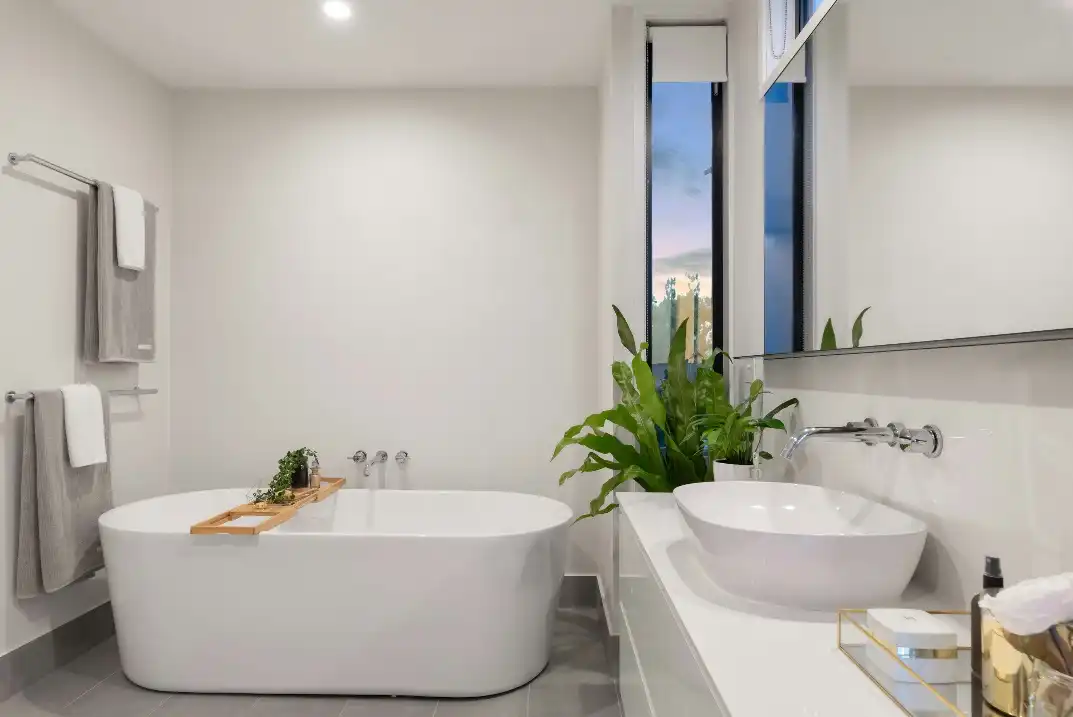
Striking the perfect balance between the two can transform a house into a harmonious retreat that truly reflects your lifestyle. Every design choice, from layout to materials, influences how well form and function coexist in your home.
Designing with Purpose in Every Room
A well-balanced home design begins with purpose. Each room should reflect how it is used daily. For instance, a living room designed for relaxation should prioritize comfort, while a kitchen should encourage efficiency. Start by considering the main activities that will take place in each area. Once the function is defined, you can make design choices that enhance that purpose while maintaining visual harmony.
Furniture placement is crucial in this process. Arrange pieces in a way that promotes natural movement and avoids crowding. Multipurpose furniture, such as ottomans with hidden storage or expandable dining tables, allows you to maximize both functionality and style. Keep surfaces clear to maintain a sense of order, and select décor items that complement rather than overpower the space.
Creating a Practical and Elegant Bathroom
The bathroom is often one of the smallest spaces in a home, yet it requires careful consideration to achieve the right mix of function and beauty. The best bathroom remodelers will tell you to start from the essentials—understanding how the space is used daily and ensuring every feature supports that purpose.
When the layout, lighting, and storage are thoughtfully planned, the design naturally falls into place, creating a space that feels both efficient and serene.
A well-balanced bathroom begins with functionality. Storage plays a crucial role, especially in smaller areas. Built-in cabinets, wall niches, and floating vanities help maintain order without overwhelming the space.
Materials should be chosen for both their resilience and visual appeal; ceramic tiles, quartz countertops, or natural stone provide lasting durability while enhancing the design. Lighting is equally important—layered illumination from task, ambient, and accent sources ensures comfort and clarity.
Once the fundamentals are set, personal touches such as textured linens, minimalist fixtures, and soft color palettes can add warmth and sophistication, tying the entire space together with quiet elegance.
Choosing Materials That Complement Function
The materials you choose have a direct impact on both the practicality and beauty of your home. Durable surfaces such as hardwood, stone, and ceramic offer longevity, while softer materials like linen and cotton add comfort.
Strive for a mix of textures that engage the senses without overwhelming the space. For example, a sleek marble countertop can be balanced with natural wood accents, creating a pleasing contrast that feels both refined and grounded.
Color also influences how a room functions. Lighter shades can make small spaces feel open, while deeper tones create intimacy in larger areas. A neutral base allows flexibility, making it easy to refresh the design over time with small changes like new pillows, art, or rugs.
Integrating Smart Storage Without Sacrificing Style
Clutter is the enemy of good design. Even the most elegant spaces lose their charm when overwhelmed with items that have no place. Smart storage solutions can keep your home organized without compromising aesthetics.
Built-in shelving, hidden drawers, and under-bed compartments are subtle ways to maintain order. Open shelving can also serve as a design feature when styled thoughtfully with books, plants, and carefully chosen accessories.
In open-plan layouts, furniture can define zones while offering storage benefits. A console behind a sofa or a bench with compartments can add structure and purpose to a room. The key is to ensure that storage feels like an integral part of the design rather than an afterthought.
Balancing Light and Space
Lighting influences how every element in your home is perceived. Natural light enhances colors, highlights textures, and creates an inviting atmosphere. When possible, maximize daylight through large windows, skylights, or glass doors. Sheer curtains allow sunlight to filter through while maintaining privacy.
Artificial lighting should be layered to serve different functions. Ambient lighting creates the general atmosphere, task lighting provides focus for specific activities, and accent lighting introduces depth by highlighting particular design features.
Dimmable fixtures give you control over intensity, allowing you to shift the ambiance from vibrant to relaxed with ease.
Embracing Minimalism for Function and Beauty
Minimalism is not about emptiness but about intentionality. By reducing excess, you highlight what truly matters in your design. A minimalist approach helps balance functionality and aesthetics by focusing on clean lines, uncluttered spaces, and quality over quantity. Every piece should serve a purpose or bring joy.
Avoid filling a room with unnecessary furniture or décor. Instead, invest in timeless pieces that combine elegance with durability. Neutral tones and natural materials often work best in minimalist spaces, creating a serene environment that promotes calm and clarity.
Personalizing the Space Through Thoughtful Details
While balance is essential, your home should also reflect your personality. The art, textiles, and colors you choose can transform a functional design into a deeply personal one. Small touches, such as family photos, handcrafted objects, or heirloom furniture, add warmth and authenticity. However, moderation is key. Too many personal items can disrupt visual harmony, while a few well-placed pieces create character without clutter.
Texture and pattern can also add dimension. Mixing materials like soft fabrics with metallic accents creates visual interest without overwhelming the space. The goal is to achieve a cohesive look where each element complements the others, resulting in an environment that feels curated and comfortable.
Bringing Nature Indoors
Incorporating natural elements is one of the simplest ways to blend function with beauty. Plants purify the air and bring life to interiors. Wooden finishes, stone surfaces, and organic fabrics add warmth and texture. Large windows that frame outdoor views can make your home feel more spacious and connected to the natural world.
A balanced home design is about more than just appearance; it is about creating an environment that supports the way you live. When functionality and aesthetics align, every room feels comfortable, purposeful, and visually pleasing.
Comments on this How to Balance Functionality and Aesthetics in Your Home Design article are welcome.
Mirrors – Interior Architecture Design
Mirror Posts
Top 10 LED mirror designs to transform your bathroom in 2024
How to hang a frameless mirror on a wall
How vanity mirrors add beauty and function at home
++
Building Articles
Comments / photos for the How to Balance Functionality and Aesthetics in Your Home Design page welcome


