The Unseen Cord: Integrating Modern Life in Traditional Chinese & Japanese Architecture
post updated 26 August 2026
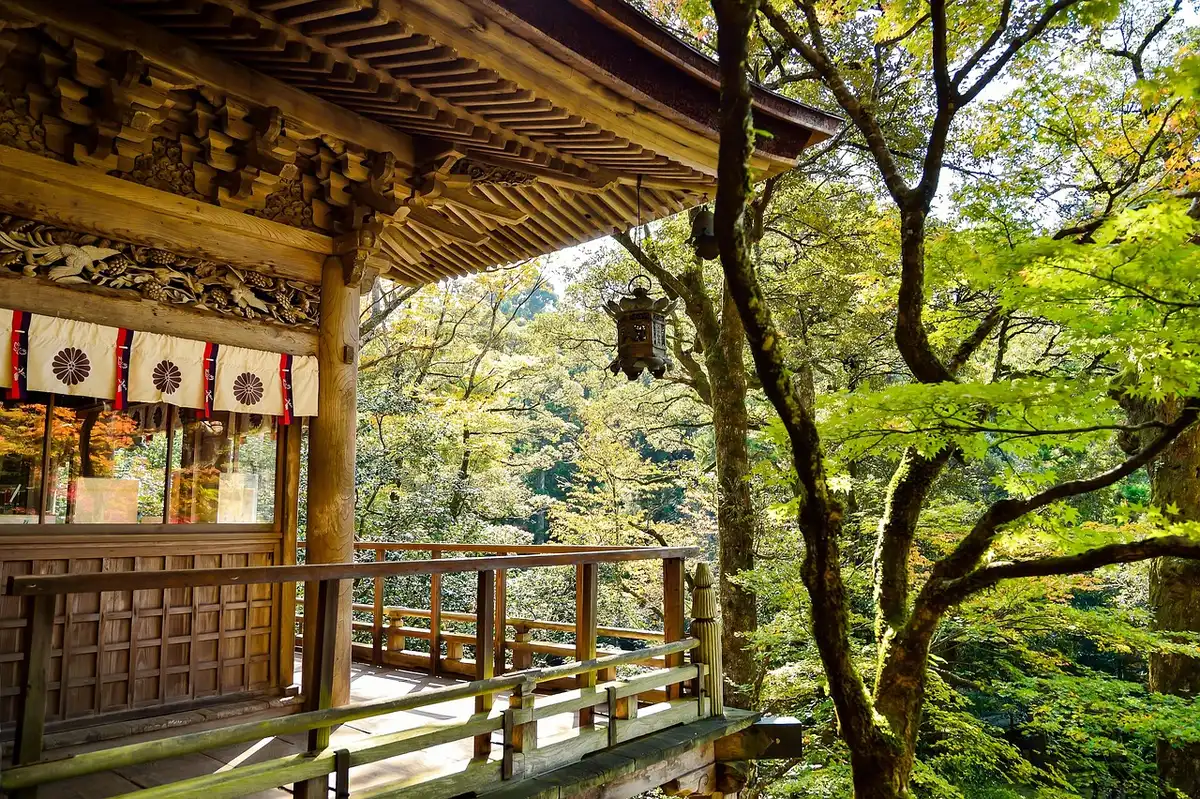
3 November 2025
Imagine a flawless Japanese tea room. Your eye follows the clean lines of the tatami matting, appreciating the soft diffusion of light through a shoji screen. Now, picture a white Apple charging cable snaking across the floor.
That single cord is enough to destroy the zen of the entire space.
The aesthetic philosophies of traditional Chinese and Japanese architecture—whether in the inward-facing privacy of a Beijing siheyuan or the quiet minimalism of a Kyoto sukiya-zukuri—are built on principles of emptiness (ma), natural material integrity, and profound stillness.
In a world entirely dependent on devices, light, and connectivity, a fundamental conflict has emerged. How do we inhabit these serene spaces without desecrating them with the visual pollution of modern technology? How do we plug in when the very concept of a plastic outlet violates the architectural soul?
The Chinese Principle: Inward Focus and Material Honesty
In traditional Chinese architecture, such as the courtyard house (siheyuan), space is organized around a private, inward-facing void. The design emphasizes hierarchy, privacy, and a deep sense of permanence. Materials like dark, heavy timber, carved stone, and fired clay tiles are celebrated for their texture and longevity.
The modern challenge here is one of intrusion. The architecture is solid and permanent. How do you provide power for a scholar’s desk lamp or a modern kitchen without drilling into a 300-year-old wooden column or running conduit across an exposed stone wall? The solution must respect the material’s honesty.
The Japanese Principle: Flexible Space and Borrowed Scenery
Japanese traditional architecture presents an even more complex challenge. Built on philosophies of wabi-sabi (the beauty of imperfection) and shakkei (borrowed scenery), the space is fluid. Fusuma (sliding doors) and shoji (paper screens) mean that walls are not only movable but often translucent. The tatami floor is a sacred, indivisible plane.
This flexibility is the core of its genius, and it is the modern electrician’s nightmare. Where do you put an outlet in a room with no fixed walls? How do you run a wire when the floor itself is a revered object? A cable running across a tatami mat is a fundamental betrayal of the architectural philosophy.
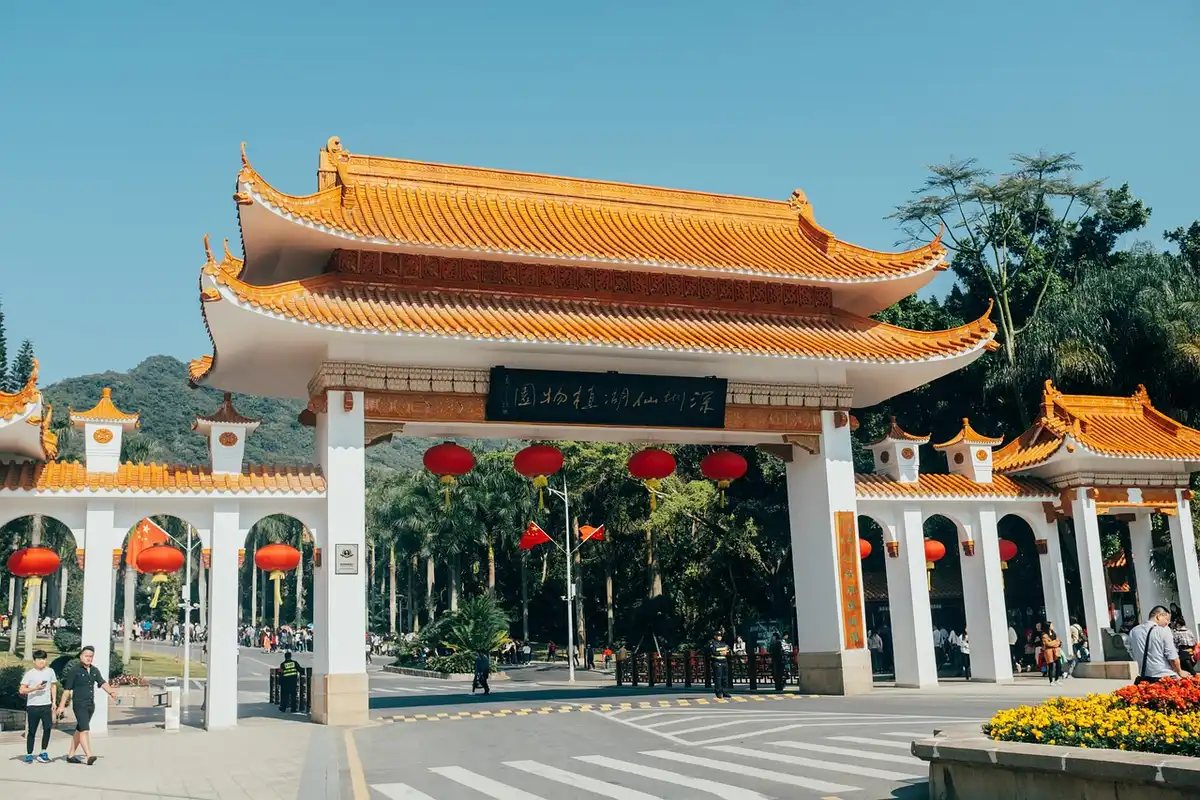
The Architectural Solution: Designing the “Unseen”
For decades, architects have attempted to resolve this paradox by hiding the problem. We’ve seen outlets recessed into floor boxes, integrated into the joinery of custom furniture, or hidden within shadow gaps. But these solutions only hide the port; they do not solve the problem of the cord. We remain tethered.
True architectural freedom—the solution that aligns with the original philosophy—is to eliminate the cord itself.
The Cord-Free Philosophy: Powering the Uncluttered Space
This is why contemporary high-end design, particularly in restoration or new-builds inspired by tradition, is moving toward a wireless-first philosophy. This isn’t just about Wi-Fi; it’s about power.
Imagine a portable andon (paper lantern), reimagined as a sculptural LED floor lamp. At dusk, you can move it from the engawa (veranda) to the main room, placing it wherever light is needed, with no tether. Imagine wireless sensors for climate control, hidden and unobtrusive. Imagine a simple, elegant task light on a desk, completely free of cables.
The Rise of Sustainable, Self-Contained Power
The key to all these solutions is a technical detail vital to the architect: a reliable, sustainable power source.
We are not talking about disposable AA batteries from a convenience store. That kind of wastefulness and impermanence is philosophically at odds with the wabi-sabi ethos and principles of sustainable design.
We are talking about professional, integrated systems built on rechargeable cells. Modern designers are now integrating small, high-capacity rechargeable battery packs directly into the bases of these independent objects—lamps, speakers, and other essential devices.
The benefits of this approach are twofold:
- Aesthetic Integrity: The object becomes pure, singular, and portable. The architect retains 100% control over the spatial composition, uncompromised by the demands of the electrical grid.
- Philosophical Alignment: The concept of “recharging” is, in itself, circular and respectful. It honors the resource, much like traditional joinery honors the whole piece of wood. It allows modern life to exist within the space quietly, respectfully, and, most importantly, unseen.
The New Harmony
The timeless beauty of traditional Chinese and Japanese architecture is its ability to create a sense of profound peace. Ironically, it is our most advanced power technology—compact, high-density rechargeable solutions—that finally allows us to truly inhabit this ancient wisdom without compromise.
We no longer need a cord to divide harmony from function. The cord, and the conflict it represents, can finally disappear.
Comments on this guide to The Unseen Cord: Tech in Asian Architecture article are welcome.
Traditional Chinese and Japanese Architecture
Difference Between Chinese and Japanese Architecture

building photo courtesy of article provider
Japanese Temple Architecture
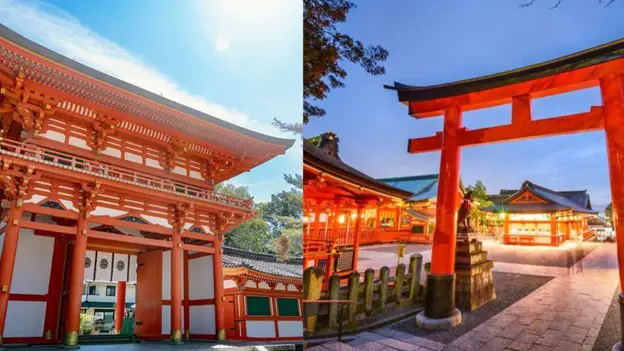
image credit – IStockPhoto
++
Japanese Architecture
Japanese Architecture Designs – chronological list
++
Chinese Architecture
China Architecture Designs – chronological list
Chinese Architect – Design Practice Listings
Comments / photos for the The Unseen Cord: Tech in Asian Architecture – East Asia construction style guide page welcome.