Smart features include EV charging and BCA Green Mark certification
9 October 2026

Ten years from now, the properties that hold their value best won’t necessarily be the ones with the fanciest lobby or the tallest tower. They’ll be the ones that quietly prepared early, before electric vehicles became the default and before sustainability certification turned from a nice-to-have into a buyer’s checklist item.
Forward-looking infrastructure doesn’t shout when it’s first installed. It just sits there while the rest of the market catches up. That’s where one freehold Novena development finds itself today. The Serra Residences has built in a set of sustainability-minded features that many buyers won’t fully appreciate until years down the line, when charging an EV or owning a green-certified asset stops being optional and starts being expected.
Instead of treating sustainability as a marketing afterthought, the project folds it into daily infrastructure, the kind residents use without thinking about it.
Ten Smart Features in The Serra Residences
1. Dedicated EV charging lots
Rather than adding charging points later once demand rises, the development already includes EV charging lots in its parking. That puts residents ahead of Singapore’s move toward electric vehicles.
2. BCA Green Mark certification
This isn’t a marketing label. BCA Green Mark is a formal, government-backed assessment of a building’s energy efficiency, water use and overall environmental performance. It carries real weight for buyers who care about sustainability.
3. Bicycle parking in the plan
Dedicated bicycle parking makes a real alternative to short car trips possible. It supports a lower-carbon routine for anyone commuting locally or running errands around Novena.
4. Energy-conscious design
Green Mark certification typically calls for efficient orientation, insulation and materials that reduce overall energy use. In practice, that can mean lower long-term utility costs built into the architecture.
5. Water efficiency
Beyond energy, Green Mark assessments look at water use. That points toward fixtures and systems designed to cut unnecessary waste across the development.
6. Boutique scale makes green systems easier to manage
With only 133 units, maintaining and monitoring these systems is more manageable than in a huge development, where sustainability efforts often get diluted across thousands of residents.
7. A neighbourhood that keeps upgrading
Novena’s wider redevelopment, including the lifestyle hub planned at 2 Moulmein Road, suggests the surrounding infrastructure will keep improving in the coming years.
8. Freehold makes green credentials last
Sustainability tends to matter more over long ownership periods. Pairing Green Mark certification with freehold tenure means these features aren’t just a short-term selling point. Their relevance can grow over decades.
9. Efficient common areas
Green Mark-certified buildings typically extend efficiency into shared spaces too, using items such as LED lighting in corridors, car parks and other common areas to cut unnecessary energy use around the clock.
10. A smaller footprint
A compact 4,775 sqm site inherently requires less material and less land disturbance than a sprawling development. That’s a structural sustainability advantage that exists before anyone moves in.
None of these features is flashy on its own. Together, they suggest a development built with an eye on where the market is heading, not just where it is today. For buyers thinking beyond the next five years, that’s a subtle but meaningful difference.

How It Compares with Amberwood at Holland
Amberwood at Holland takes a noticeably different approach to forward-looking features. It leans heavily into wellness technology rather than transport and sustainability infrastructure. The headline is Singapore’s first condo-level Red Light Therapy facility, alongside thermal baths and a layered pool system. These innovations focus on resident health and recovery, not on vehicle charging or certified energy efficiency.
Where Serra prepares for Singapore’s EV transition, Amberwood prepares for a different trend: rising demand for wellness-integrated living.
Both reflect genuine foresight, aimed at different aspects of long-term value. Serra bets on infrastructure that becomes more essential as EV adoption grows and green building standards tighten. Amberwood bets on lifestyle infrastructure that becomes more valued as buyers put physical and mental wellbeing ahead of square footage.
For buyers who see sustainability credentials and EV readiness as the smarter long-term investment, Serra offers a more complete, certified package today. For those who believe wellness technology will define the next decade of premium living, Amberwood’s approach may prove just as forward-thinking, only measured on a different scale.
Questions to Ask About the Details
Certifications and charging lots sound good, but the specifics matter. Ask which Green Mark level the project holds and what it covers. Find out how many EV charging lots there are, whether they’re allocated to particular units, and how charging is billed. Check whether more can be added later if demand grows.
It’s also worth asking how bicycle parking is arranged and whether it’s convenient for residents on higher floors. These are small things, but they decide whether a feature is useful in practice. A good sales team should be able to answer them clearly, and if they can’t, that’s worth noting too.
Finally, ask about running costs. Sustainability features can lower utility bills over time, but they also need upkeep, so it helps to understand what’s included in the maintenance fees.
Conclusion
Smart features rarely announce themselves at launch. EV charging lots and BCA Green Mark certification don’t photograph dramatically for a brochure. But they’re exactly the kind of infrastructure that protects a property’s relevance as Singapore’s environmental standards keep tightening.
The Serra Residences built these features in early and paired them with freehold tenure and a boutique 133-unit scale that makes sustainable management realistic. For buyers thinking decades ahead rather than just about move-in day, that mix of foresight and manageability deserves a serious look, even if its full value only becomes obvious years from now.
In the end, smart features are only smart if they solve a problem you actually have. If you drive an EV, cycle to work or care about running costs, they’ll matter. If none of that applies, they’re still a good sign of a well-run project, but they shouldn’t be the only reason you buy.
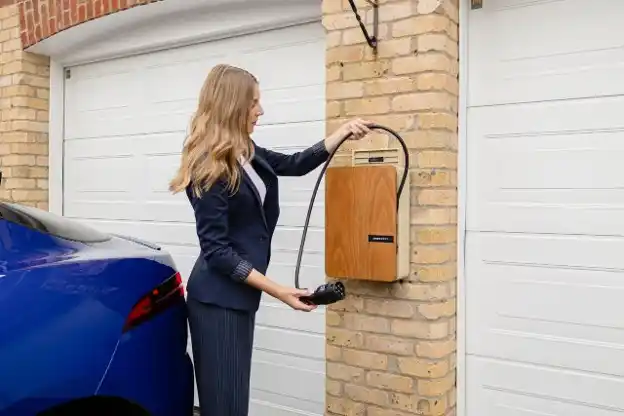
image source : pexels.com
Comments on this guide to Singapore EV charging and BCA Green Mark certification article are welcome.
EV – Modern Energy Systems
Architectural Designs – selection below for property:
Distributed chargers for rural EV adoption

E.ON Ultra-fast Charging Stations by Graft
K:Port Mobility Hubs in England
Ultra Fast Charging Stations by COBE in Denmark
++
Building Articles
Architecture – selection:
Comments / photos for Singapore EV charging and BCA Green Mark certification advice page welcome.