Roofing Materials for San Francisco’s Victorian & Edwardian Homes: A Complete Guide
May 19, 2026
San Francisco is one of the most architecturally distinctive cities in the world. Its hillside streetscapes are defined by thousands of Victorian and Edwardian homes ornate facades, steep pitched rooflines, decorative gable ends, and the iconic “Painted Lady” color palettes that have made neighborhoods like Alamo Square, Pacific Heights, and the Mission District globally recognized.

But behind the beauty lies a practical challenge every SF homeowner eventually faces: what do you do when the roof needs replacing?
Roofing a historic home in San Francisco is not like roofing anywhere else. The city’s coastal climate, strict preservation guidelines, seismic considerations, and the architectural character of these homes all shape what materials are appropriate — and what will get rejected by your contractor, your HOA, or the city itself.
This guide walks through everything architects, designers, and homeowners need to know about roofing materials for San Francisco’s Victorian and Edwardian homes.
Understanding San Francisco’s Historic Roofing Styles
Before choosing a material, it helps to understand what was originally used.
Victorian homes (1870s–1900s) in San Francisco were typically built with wood shingle or wood shake roofing. The steeply pitched rooflines, dormer windows, and decorative ridge lines of Queen Anne, Stick-Eastlake, and Italianate styles were designed to shed rainfall efficiently while contributing to the home’s ornamental character.
Edwardian homes (1900s–1915s) followed the earthquake and fire of 1906, when thousands of homes were rapidly rebuilt. These tended toward simpler, flatter rooflines hipped roofs, flat or low-slope sections, and less ornamentation than their Victorian predecessors. Many used early composite materials alongside wood.
Today, most of these roofs have been replaced at least once. The question is: what replacement material respects the architecture, meets modern code, and holds up to the Bay Area’s unique climate?
The Climate Challenge
San Francisco’s weather is unlike most of coastal California. The city experiences:
- Persistent coastal fog and moisture, particularly in the Sunset, Richmond, and western neighborhoods
- High wind exposure, especially on elevated lots and rooftops in Twin Peaks, Noe Valley, and Bernal Heights
- Minimal direct rain compared to Northern California, but heavy seasonal rainfall concentrated between November and April
- Seismic activity, which demands roofing materials that add minimal dead load to aging timber framing
This combination rules out certain materials immediately. Heavy clay tile, while beautiful, adds significant weight to Victorian-era framing systems not originally designed for it. Flat membrane roofing works well for Edwardian low-slope sections but is wrong for a steeply pitched Queen Anne. Material selection has to match both the architecture and the physics of the building.

Best Roofing Materials for Victorian & Edwardian SF Homes
1. Architectural Asphalt Shingles
The most commonly used replacement material in San Francisco’s residential neighborhoods, and for good reason. Modern architectural (dimensional) shingles offer:
- Lightweight construction ideal for older timber framing
- Class A fire rating required under California building code
- 30–50 year lifespan with proper installation
- Wide range of profiles and colors that can closely replicate the shadow lines of historic wood shingles
For Victorian homes, charcoal, slate grey, and weathered wood colorways work best with the ornate painted facades typical of the style. For Edwardian homes, the cleaner profile of a standard architectural shingle suits the simpler rooflines well.
When working with a knowledgeable San Francisco roofing contractor, homeowners can select shingle profiles that complement their home’s specific architectural period and color scheme — a detail that matters significantly in historic districts where design review applies.
2. Synthetic Slate
For homeowners who want the authentic appearance of slate without the prohibitive weight, synthetic slate tiles made from rubber or polymer composites have become an increasingly popular choice for high-end Victorian restorations.
Benefits include:
- Authentic slate appearance that satisfies design review requirements in historic districts
- Significantly lighter than natural slate typically 1.5 to 2.5 lbs per square foot versus 8–10 lbs for natural
- Impact and wind resistance rated for coastal exposure
- 50+ year lifespan with manufacturer warranties to match
The cost is higher than asphalt shingles but significantly lower than natural slate installation, and the material performs better on the seismic weight considerations that matter in San Francisco.
3. Metal Roofing (Standing Seam)
Standing seam metal roofing is increasingly appearing on both Victorian and Edwardian homes in San Francisco, particularly where flat or low-slope sections connect pitched elements.
Metal roofing offers:
- Exceptional longevity 40 to 70 years with minimal maintenance
- Superior performance in fog-heavy environments no moisture absorption, no rot
- Energy efficiency reflective coatings reduce heat gain through the roof plane
- Lightweight profile typically 1–3 lbs per square foot
On Edwardian homes with flat or low-slope roof sections, standing seam metal is often the most architecturally appropriate and durable choice. On Victorian homes, it tends to work best as a secondary material on shed dormers, bay projections, or accessory structures rather than the primary pitched roof.
4. Wood Shingles and Shakes (With Conditions)
Historically accurate and undeniably beautiful, wood shingles and shakes remain an option for SF homeowners but with important caveats.
California’s fire code (Title 24) requires a Class A fire rating for all roofing materials in urban areas. Raw wood shingles do not meet this standard. However, pressure-treated fire-retardant wood shingles are available and do carry a Class A rating when properly installed with approved underlayment systems.
For historic landmark properties or homes within designated preservation districts, treated wood shingles may be the only material that satisfies both fire code and design review requirements simultaneously.
Preservation Guidelines and Permits
San Francisco’s Department of Building Inspection and the Planning Department’s Historic Preservation division maintain guidelines for roofing work on properties within Article 10 and Article 11 landmark designations, as well as properties within historic districts.
Key considerations:
- Replacement in kind is generally preferred matching the existing material profile and appearance where possible
- Color and profile changes on visible roof planes may require design review approval
- Permits are required for full roof replacements, and inspections are mandatory before final sign-off
Working with contractors who understand San Francisco’s permitting process including seismic requirements, cool roof compliance under Title 24, and historic preservation standards is essential to avoiding costly mistakes or failed inspections.
Final Thoughts
San Francisco’s Victorian and Edwardian homes represent an irreplaceable piece of architectural heritage. Getting the roofing right material choice, profile, color, and installation method protects both the structure and the character of the home for the next generation.
The best outcomes come from approaching roofing on historic homes as an architectural decision first, and a practical construction project second. The right material is the one that respects the original design intent, performs in the coastal Bay Area climate, meets current fire and seismic code, and is installed by a team that understands all of the above.
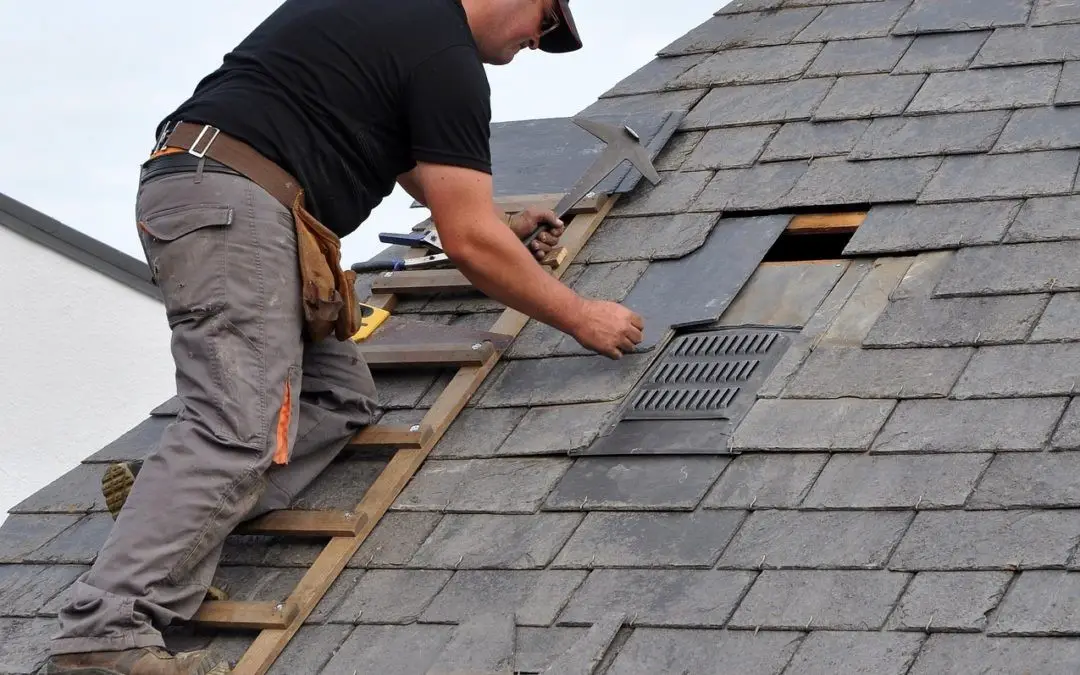
Comments on this guide to San Francisco roofing materials – SF Victorian & Edwardian homes roof repair service article are welcome.
USA Roofing
US Roofing Contractor and Build Posts
Questions to ask when choosing roofers
Gainesville Roofing tips for Spring cleaning
FAQ about a new metal roof in Sinton, TX
++
++
Home Articles
Residential Architecture
Comments / photos for the San Francisco roofing materials – SF Victorian & Edwardian homes roof repair service guide page welcome