Why Rent a Storage Container for Your Next Job
1 November 2026
Every construction project needs a secure place for tools, materials, and paperwork. Many sites still rely on pickup truck beds, tarps, and a corner of an unfinished room. Those stopgaps cost time each morning and leave expensive equipment exposed every night.

A rented steel container solves that problem from the first day on site. Many contractors also pair storage with a dedicated workspace, using office containers for rent that arrive insulated, wired, and climate-controlled for plan reviews and client meetings.
For a custom home, a commercial fit-out, or a school renovation, the reasons below show why renting beats buying or improvising.
Renting keeps capital in the business
Buying a container ties up cash in equipment that sits idle between projects and needs a yard to store it. Owners also carry the cost of moving the unit from job to job, repainting it, and repairing doors and seals as they wear.
Renting turns that purchase into a predictable monthly line item that the project budget absorbs. When the job ends, the supplier picks up the container, and the company carries no storage, maintenance, or transport costs until the next contract begins.
Off-site storage units create a different problem, because every trip to collect materials takes a crew member away from the work. A container on site removes those drives and keeps every item within a short walk of the people who need it.
Steel walls keep tools and materials secure
Jobsite theft targets the items that are easiest to carry and resell, including power tools, copper wire, generators, and boxed appliances. Open garages and canvas covers offer little resistance after crews leave for the evening or the weekend.
A steel container with heavy-duty locking doors gives the site one secure room for high-value equipment. Crews lock everything inside at the end of each shift, which reduces losses, protects the schedule, and limits insurance claims over the life of the project.
Weather protection for sensitive materials
Many building materials lose value quickly when they get wet, because moisture warps hardwood flooring, swells cabinet boxes, and ruins drywall before installation. Even a single storm can force a reorder that delays the project by several weeks.
Wind and watertight containers keep those deliveries dry from the day they arrive until the trades need them. That protection matters most on projects where long lead times push design teams to order windows, fixtures, and millwork well ahead of installation.
Flexible terms that follow the project schedule
Construction timelines shift with permits, inspections, weather, and supply delays, so storage needs rarely match the original plan. Month-to-month rental terms let the container stay on site for as long as the work continues, without a fixed end date.
Renting also makes it easy to scale up or down as the project moves through its phases. A crew can start with one 20-foot unit during demolition and add a second container when finish materials begin arriving in volume.
Delivery speed also supports tight schedules, since many suppliers deliver from regional yards within a few days of a confirmed order. A container can arrive before demolition starts and leave the week after the final walkthrough.
One container can serve as storage and a site office
Smaller jobsites often lack room for both a storage unit and a separate office trailer, which forces superintendents to review drawings in a truck cab. An office and storage combo unit splits one container into a lockable storage area and a finished workspace.
Suppliers such as CMG Containers list combo units starting at $800 per month for a 20-foot container and $1,250 for a 40-foot model. Those units include insulation, air conditioning with heat, electrical outlets, lighting, and a pre-wired data box for internet and phone service.
Combining both uses into one footprint saves a second delivery, a second rental, and valuable space on tight urban lots and residential driveways.
Choosing the right size and setup
The right container depends on how much material the job generates and how often crews need to reach it during the day.
- 20-foot containers. These units fit most driveways and small commercial lots, and they hold tools, fixtures, and materials for a typical residential renovation.
- 40-foot containers. Larger projects benefit from the extra length, which allows separate zones for tools, staged materials, and items waiting for installation.
- Door options. Double-door and open-side units let crews reach materials from more than one end, saving time on sites with daily deliveries.
Before delivery, prepare a firm and level spot with clear truck access, and check whether the town or property manager requires a permit for temporary containers.
A rented container protects tools and materials, keeps cash available for labor and supplies, and adapts as the project grows or shrinks. For the next job, adding one to the site plan from the start prevents losses that are far harder to recover later.
Comments on this guide to Why Rent a Storage Container for Your Next Job article are welcome.
Shipping Containers
Modular Shipping Container Building Posts
Designing a shipping container home tips
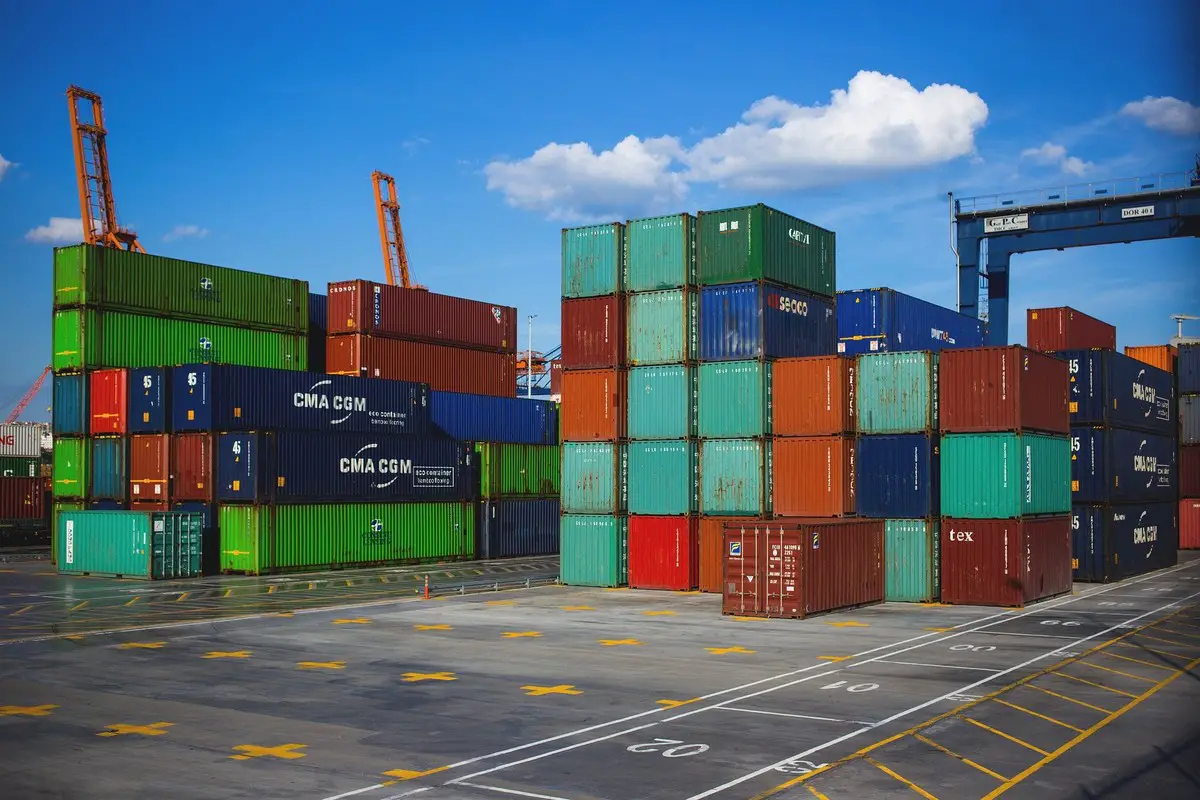
image source : pixabay.com
6 things to know building shipping container home
Modular building like a shipping container cafe
++
Buildings
New Architecture Design
Comments / photos for the Why Rent a Storage Container for Your Next Job page welcome.