Getting More From Your Air Conditioning Investment in Green Point
11 November 2026

image source : pexels.com
Green Point is one of the Central Coast’s most pleasant residential areas. It’s close to the water, surrounded by mature trees, and far enough from busy commercial areas to feel truly suburban.
However, living in a nice area does not always guarantee comfortable indoor temperatures throughout the year. In summer, heat can build up in the afternoons, especially in west-facing rooms that receive direct sunlight for hours. In winter, cold mornings can make the start of the day much less comfortable.
Air conditioning can solve both summer and winter temperature problems, but its effectiveness depends on the choices made before and during installation. Homeowners who take the time to understand their options often end up with systems that perform well for many years. Rushing the decision can lead to units that are expensive to run, do not cool effectively, and need replacement much sooner than expected.
Why Professional Sizing Prevents Expensive Mistakes
It’s easy to choose an air conditioning unit based on the room size listed in advertisements, but this often leads to problems. Those figures usually assume standard ceiling heights, average insulation, small windows, and mild weather conditions. Many homes in Green Point face west, have large windows with water views, or sit on higher ground with strong afternoon sun, so they do not match those assumptions.
Professional installers who provide air conditioning Green Point services calculate the precise cooling and heating load for each space, accounting for insulation values, glazing type, room orientation, and the climate conditions the home experiences across different seasons. The calculation takes only a short time but helps prevent years of inefficient operation from an incorrectly sized system.
Matching the System to the Home Layout
Green Point has a mix of original fibro cottages and modern brick-and-tile homes, and each type presents its own air-conditioning challenges. Older homes with less insulation and single-glazed windows lose cool or warm air more quickly, so they often need systems that can compensate for that heat loss. By contrast, newer homes with better insulation and sealed construction can maintain stable indoor temperatures, allowing smaller systems to deliver comfort while using less energy.
The home’s layout is just as important. Open-plan living areas that combine the kitchen, dining, and lounge need systems capable of heating or cooling a larger shared space. Homes with separate rooms and hallways are often better suited to ducted systems with zoning, which can direct air only where it is needed.
Split systems work well for individual rooms, but the cost can increase quickly if several units are needed throughout the house. A professional assessment that considers both the home style and floor plan usually delivers better results than choosing a system based only on square metre estimates.
Zoning Reduces Running Costs Without Reducing Comfort
For homes with ducted air conditioning, zone control is one of the features that can have the biggest impact on running costs. Instead of heating or cooling every room all the time, zoning allows you to send air only to the areas you are using, such as bedrooms at night, living spaces during the day, or a home office during working hours.
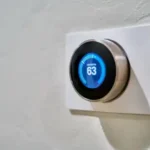
If you cool or heat three zones instead of six, the system usually needs to condition less air, which can reduce energy demand and lower electricity use. Modern zone controllers can also connect to smartphone apps, allowing you to adjust settings remotely and turn zones on shortly before you arrive home rather than leaving the system running all day.
Reverse Cycle Systems Handle Both Seasons
The Central Coast climate requires both cooling and heating, and reverse-cycle air conditioning provides both in a single system. Instead of installing separate appliances, a reverse-cycle system draws heat from outside air in winter and removes indoor heat in summer. This efficient method can reduce the need for gas heaters, electric radiators, or portable units that often consume more energy and deliver less consistent comfort.
Reverse-cycle heating is especially efficient. For every unit of electricity it uses, a quality reverse-cycle system can produce three to five units of heating energy. This often makes it one of the most cost-effective ways to heat homes during the Central Coast’s mild winters.
Regular Servicing Protects the Investment
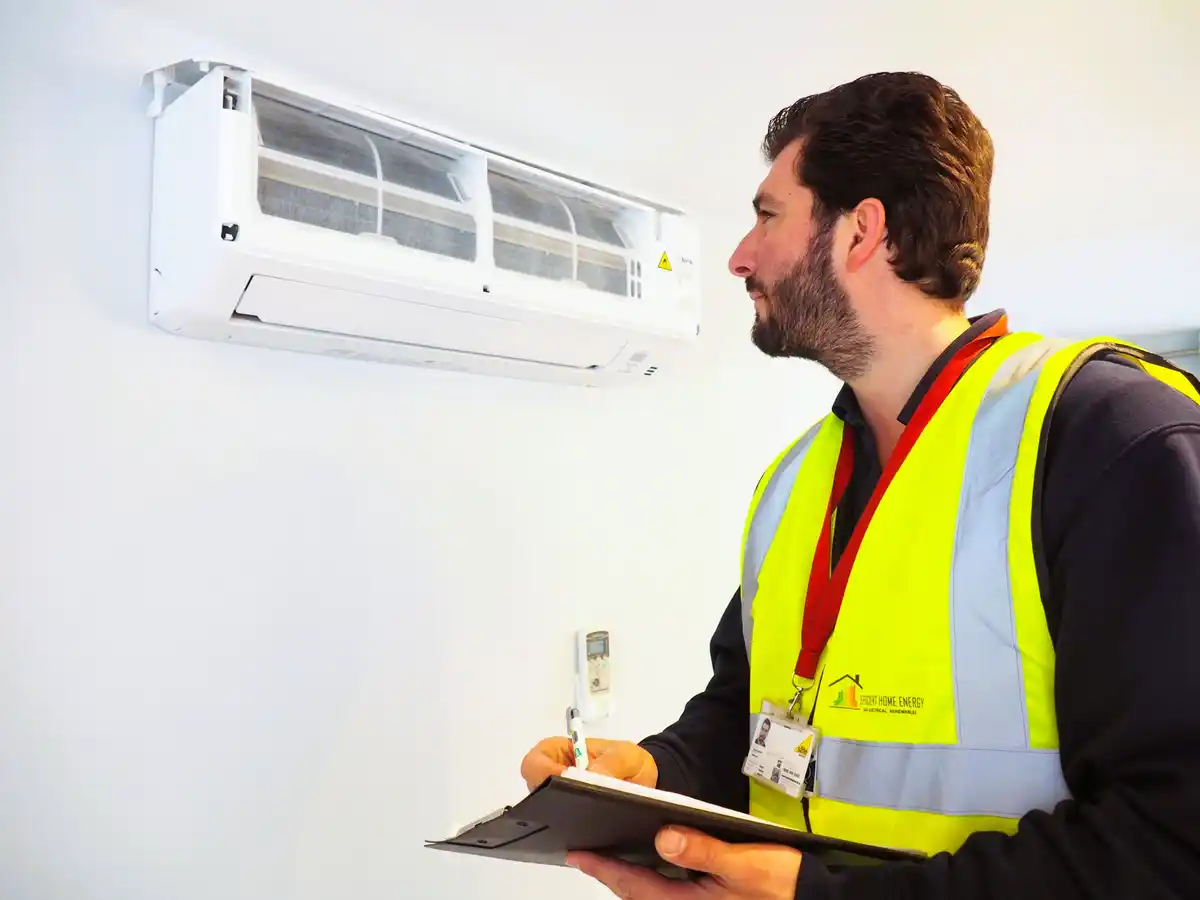
Air conditioning systems that receive professional servicing each year often remain efficient and reliable for 15 years or more. A service usually includes checking refrigerant levels, electrical connections, coil condition, drainage, and filters. These components can wear gradually and reduce performance before the problem becomes obvious, often appearing as higher power bills or reduced comfort.
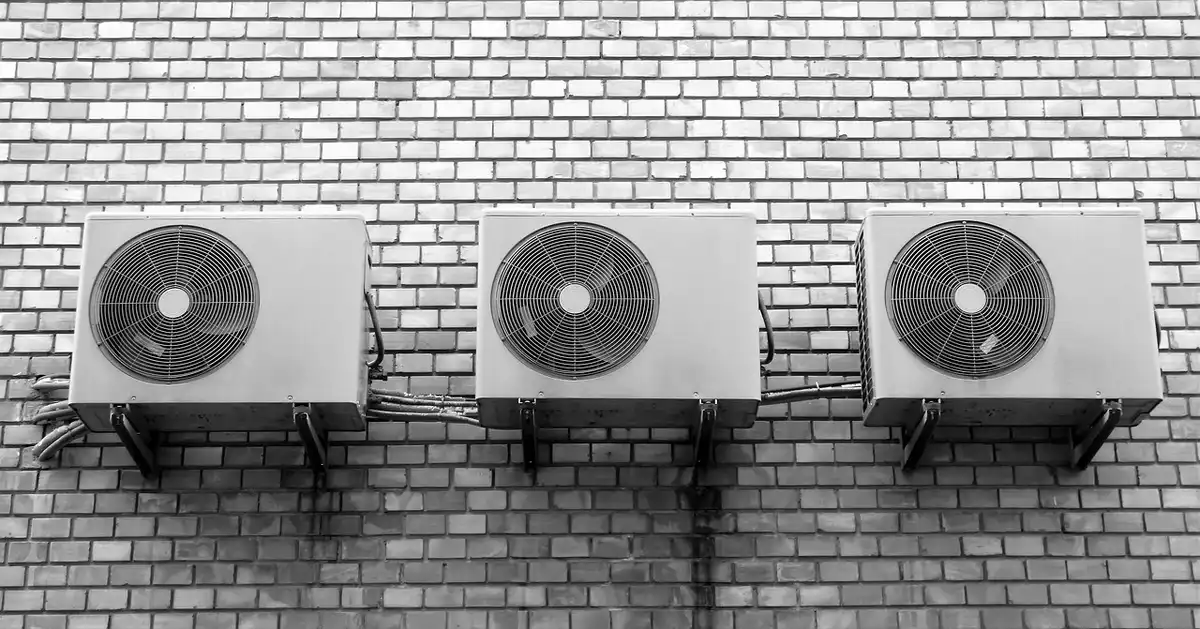
Green Point’s coastal location is another important consideration. Salt in the air can speed up corrosion on outdoor units, so it is important to use coastal-rated systems and clean the coils regularly if your home is close to the water. Regular servicing can help prevent early breakdowns caused by coastal conditions.
Making Every Season More Comfortable and Efficient
To get the most from your air conditioning system, it helps to make informed choices that suit your home, the local climate, and how you plan to use it. Careful planning, professional installation, and regular maintenance all help improve performance and reduce long-term costs. For Green Point homeowners, this approach can make air conditioning a worthwhile investment in year-round comfort.
Comments on this guide to getting more from your air conditioning investment article are welcome.
Home HVAC – Air Conditioners
Property Air Conditioners Posts
Why Rely On Professionals For Air Conditioning, Heating, HVAC
HVAC Systems in Modern Architecture
5 great advice from top rated HVAC contractor
++
Buildings
Residential Architecture Articles
Comments / photos for the Getting more from your air conditioning investment in Green Point, Central Coast region of New South Wales, Australia advice -page welcome.