Why Electric Fireplaces Are Finding a Place in Modern Residential Design
13 October 2026
A fireplace can change the atmosphere of a room in a way that few other features can. It gives people somewhere to gather, creates a natural focal point, and adds warmth to an interior even when the rest of the design is fairly simple. For years, achieving that effect meant planning around a traditional fireplace, chimney, and fuel source. Today, homeowners and architects have another option to consider.

Electric fireplaces have become an interesting choice for contemporary homes because they offer greater flexibility in how a fireplace can be incorporated into a room. They can work in a compact apartment, a renovated family home, or a carefully designed open-plan living area. The important part is knowing how to make one feel like a natural part of the architecture rather than an appliance added at the end.
Start With the Space, Not the Fireplace
One of the easiest mistakes in residential design is choosing a feature before considering how the room will actually be used. A fireplace might look impressive in a photograph, but its proportions and position still need to make sense within the home.
In a large living room, a long linear fireplace can sit comfortably within a wide feature wall. In a smaller space, a more compact model may create the same sense of focus without overwhelming the room. The height of the ceiling, the width of the wall, and the arrangement of the furniture all influence which design will work best.
It is also worth thinking about sightlines. A fireplace should be visible from the main seating area, but it should not interfere with movement through the room or compete unnecessarily with windows and other architectural features.
Making the Fireplace Part of the Architecture
The most convincing fireplace installations often look as though they were planned with the building from the beginning. This does not mean every home needs a complicated custom wall. Sometimes a simple, well-proportioned installation is more effective than an elaborate design.
A recessed fireplace can create a clean finish, while a wall-mounted model may suit a renovation where extensive construction is not practical. Some homeowners prefer a fireplace beneath a television, while others would rather give it its own wall and allow the surrounding materials to take centre stage.
The choice depends on the room and the homeowner’s priorities. For inspiration, exploring different styles of an electric fireplace can help clarify whether a linear, wall-mounted, built-in, or insert design would work best.
Whatever the format, the technical details matter. Wall depth, electrical access, mounting requirements, clearances, and future maintenance access should be considered before the finishing work begins.
Materials Make a Difference
The fireplace itself is only one part of the finished design. The materials around it determine whether the feature feels subtle, dramatic, traditional, or distinctly contemporary.
Stone can give a room texture and a sense of permanence. Smooth plaster creates a quieter backdrop, while tile can introduce pattern without requiring additional decorative elements. Timber details may soften a modern interior, provided the selected materials are appropriate for the installation and comply with the manufacturer’s clearance requirements.
There is no universal combination that works in every home. A dark fireplace surround may look striking against pale walls, but it can feel too dominant in a small room. A light finish can make a compact space feel more open, although it may need contrast from furniture or artwork to prevent the design from looking flat.
The better approach is to consider the entire room rather than designing the fireplace wall in isolation.
A Practical Option for Canadian Homes
In Canada, the appeal of a fireplace is often connected to the way people use their homes during colder months. A living room becomes a place to relax after work, spend time with family, or entertain friends when outdoor spaces are less inviting.
An electric fireplace can introduce the familiar appearance of a fireplace without burning wood or gas on site. Depending on the model, it may also provide supplemental heat. That distinction is important: some units are primarily designed for ambience, while others include a heater intended to contribute to room comfort.
Anyone comparing an electric fireplace Canada selection should look beyond appearance and consider the dimensions, heating output, electrical requirements, controls, and installation instructions. A fireplace should suit the room and its intended use rather than simply match a photograph.
Older homes and renovation projects may need particular attention to electrical capacity. Where the installation involves electrical modifications or structural changes, a qualified professional can assess what is appropriate.
Lighting and Furniture Should Work Together
Once the fireplace is in place, the surrounding layout determines how successful it feels in everyday life. Seating should encourage conversation without blocking circulation. Side tables and lamps can make the area more useful, while shelving or cabinetry may provide storage if the room needs it.
Lighting deserves equal consideration. A bright ceiling fixture can make a room functional, but softer lamps and indirect lighting often create a more comfortable atmosphere in the evening. Reflections on the fireplace glass should also be considered when choosing the position of lights.
Decorative accessories can finish the arrangement, but restraint often works well. A fireplace does not need a crowded mantel or a collection of oversized objects to make an impression. Sometimes the most effective design leaves enough space for the fireplace and its surrounding materials to speak for themselves.
Good Design Begins With Good Planning
Electric fireplaces offer architects and homeowners more choices when creating contemporary living spaces. Their flexibility can be particularly useful in apartments, renovations, and homes where a conventional chimney would be difficult to accommodate.
Still, the best results do not come from the fireplace alone. They come from choosing the right proportions, coordinating materials, planning the electrical requirements, and considering how the room will function long after the renovation is complete.
When those decisions are made together, a fireplace can become a genuine part of the home’s architecture. It adds a focal point without dictating the entire design, allowing the room to feel considered, comfortable, and suited to the people who live there.
Comments on this Why Electric Fireplaces Are Finding a Place in Modern Residential Design article are welcome.
Property Fire
Home Fireplace
Perfect fireplace mantel for your home
Know before installing a fireplace
Freestanding and insert fireplaces guide
Decorate your fireplace and living room
Fire
Fire Posts
Fire Damage Restoration and Remediation
Safety Precautions Against Home Fire
Building Articles
House in Rostov-on-Don>, Russia
Design: Architectural studio Chado
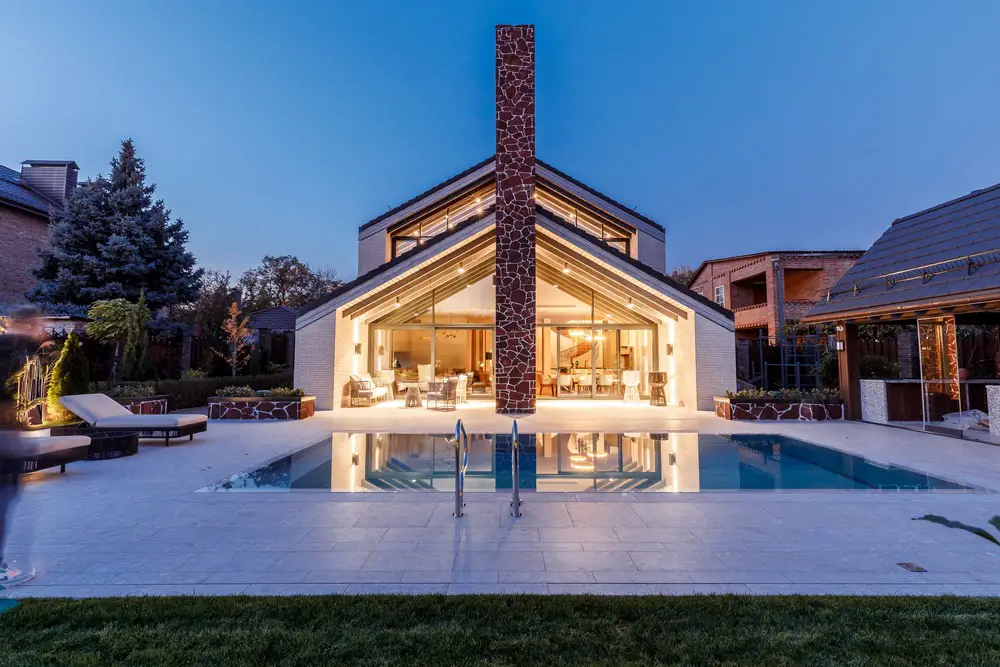
image courtesy of architects
Comments / photos for the Why Electric Fireplaces Are Finding a Place in Modern Residential Design page welcome