Designing for Women’s Health: How Technology and Architecture Intersect
post updated 23 October 2026
23 October 2025
In today’s world, architecture is no longer just about form and function. It is also about wellbeing. The environments we create increasingly influence physical and emotional health. This shift toward human-centered design has inspired a new intersection between medical technology and architectural thinking one that is particularly important when considering women’s health.
Across research labs and design studios, professionals are asking a critical question: how can the built environment support biological rhythms, fertility, and hormonal balance? The answer lies in merging design innovation with advanced health technologies, including tools like the PDG test a key breakthrough in understanding reproductive health on a daily level.

The Rise of Health-Oriented Spaces
Architects have long understood that space affects behavior. Light, air quality, acoustics, and material textures all shape how we feel and function. But only recently have designers begun integrating medical insights into building strategies. This trend, sometimes called “bioadaptive design”, looks beyond aesthetic goals to consider how architecture can actively improve the body’s internal balance.
In workplaces, schools, and homes, this approach translates to adaptable lighting systems that mimic natural daylight cycles, materials that filter toxins, and layouts that promote calm and reduce stress. These are not luxuries. They are architectural responses to scientific findings showing how hormones regulate our energy, mood, and cognitive performance.
Hormonal Health and Environmental Design
Women’s hormonal health is uniquely sensitive to environmental factors. Chronic stress, poor lighting, and disrupted sleep patterns can all affect the delicate balance of progesterone and estrogen. This, in turn, influences fertility, mental focus, and general well-being.
The PDG test, developed by Miracare, represents a major step forward in personal health tracking. PDG or Pregnanediol Glucuronide is a urine metabolite that confirms ovulation by detecting progesterone levels. Unlike traditional methods that estimate fertile windows, this test gives real biological feedback, empowering women to understand their cycles with clinical accuracy.
For architects, this type of data has unexpected value. It highlights how much our surroundings matter — and how they can either support or disrupt natural biological processes. Designing spaces that align with hormonal rhythms could become the next frontier in wellness architecture.
Integrating Data and Design
Imagine a residential building where smart lighting adjusts to the hormonal phase of its occupants. During the luteal phase, when progesterone peaks, softer lighting and warmer color temperatures could encourage relaxation and restorative sleep. During the follicular phase, when energy rises, cooler light and open-plan layouts could support focus and activity.
Such adaptive systems are no longer science fiction. With advances in health tracking and environmental automation, buildings can respond to individual needs in real time. The PDG test provides the biological data; architectural systems interpret and translate it into design action.
The result is a feedback loop between body and building a living architecture that nurtures wellbeing instead of passively hosting it.
The Future of Reproductive-Friendly Design
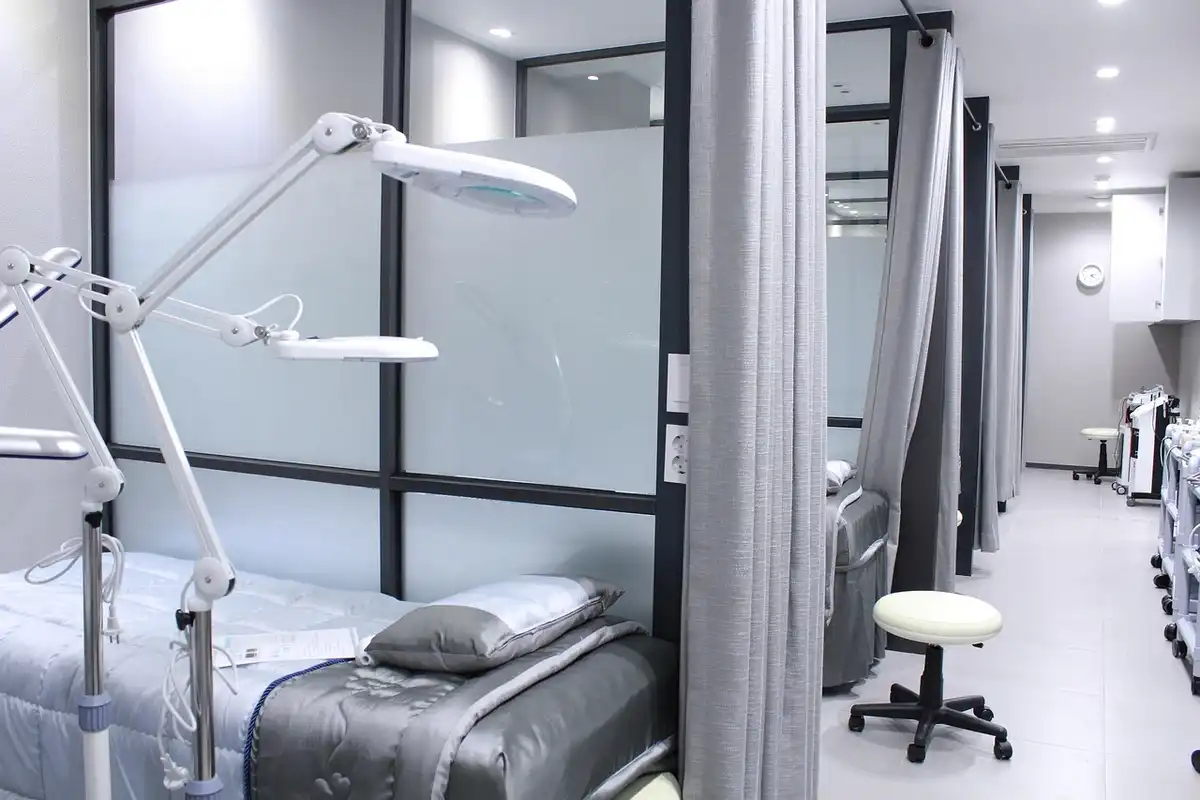
There is growing interest in creating spaces that specifically support reproductive health. Clinics and wellness centers are adopting layouts inspired by biophilic principles natural materials, flowing light, and organic patterns proven to reduce cortisol levels. These environments are particularly effective for women undergoing fertility treatment or hormonal therapy.
For example, fertility clinics now incorporate circadian-friendly lighting and acoustic buffering to lower stress during procedures. Research has shown that reduced environmental stress can improve treatment outcomes. The role of architecture, then, becomes both scientific and deeply human.
At home, similar principles apply. Simple changes such as optimizing bedroom lighting, improving air circulation, or integrating greenery can enhance hormonal stability. By understanding their personal data through tools like the PDG test, women can make more informed decisions about their environment. Architecture becomes an ally in daily health management.
Technology, Sustainability, and the Human Body
The convergence of digital health and sustainable design represents a broader movement toward regenerative living. As buildings become more intelligent and responsive, they have the potential to work in harmony with human biology. This requires designers to think beyond traditional sustainability metrics like carbon and energy, and to include physiological sustainability how well a space supports the body’s inner systems.
Projects that integrate biotechnological devices and wellness tracking into architectural systems will set new standards for the future. Just as architects once learned to calculate daylight factors or acoustic absorption, they may soon need to understand hormone cycles and circadian rhythms.
From Data to Design Philosophy
The challenge lies not only in technology, but in mindset. Health data from wearables, apps, and tests such as the PDG test offers architects and designers a new language for human-centric design. It transforms abstract health goals into measurable, designable parameters.
By treating data as a design material, professionals can create spaces that respond dynamically to occupants’ needs. A workspace that dims the lights when cortisol drops in the afternoon; a home that adjusts temperature to support optimal sleep phases these are the buildings of tomorrow.
Conclusion
The intersection of health technology and architecture is expanding rapidly, reshaping how we define a “healthy” building. Women’s health, long underrepresented in design discourse, now stands at the forefront of this evolution.
With innovations like the PDG test from Miracare, we gain deeper insights into how hormones interact with our surroundings. Architects, in turn, can translate that insight into spaces that sustain not only productivity and comfort, but biological harmony.
When architecture listens to the body, design becomes more than shelter it becomes a partner in wellbeing.
Comments on this guide to Designing for women’s health – female healthcare article are welcome.
Healthcare Architecture
Healthcare Building Posts
Human-centered healthcare architecture
Quality prenatal care health and well-being
Prior authorization limitations in healthcare guide
++
Building Articles
Comments / photos for the Designing for women’s health – technology and architecture page welcome