
Designing Back-of-House Spaces: Maintenance, Storage, and Safety in Modern Buildings
February 6, 2026
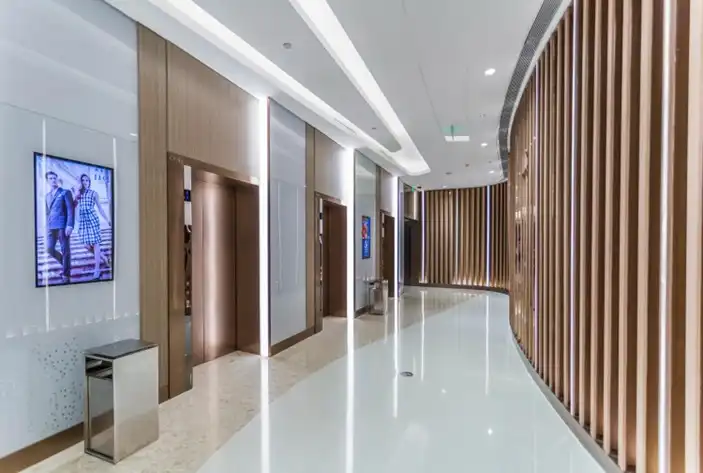
Image by 4045 on Freepik
In contemporary architecture, the spotlight often falls on façades, lobbies, and public-facing spaces. Yet seasoned architects and facility planners know that a building’s long-term success is just as dependent on what happens behind the scenes. Back-of-house spaces, service corridors, maintenance rooms, storage areas, and utility zones, quietly determine how well a building operates over time.
When these areas are thoughtfully designed, they support safety, efficiency, and adaptability. When they are neglected, even the most visually striking building can struggle with operational friction, higher maintenance costs, and safety risks.
Designing effective back-of-house spaces requires a practical mindset. It is about anticipating real-world use, regulatory requirements, and the daily workflows of facility teams. In many ways, it is where architecture meets operations.
The Expanding Role of Back-of-House Design
Modern buildings are more complex than ever. Mixed-use developments, hospitality venues, healthcare facilities, and large residential projects all depend on sophisticated support systems. Waste management, deliveries, cleaning, mechanical servicing, and event logistics all flow through back-of-house networks.
As buildings grow denser and more multifunctional, these support areas must do more with limited space. Architects are increasingly asked to balance efficiency with safety and regulatory compliance. A well-planned back-of-house layout can reduce staff travel time, minimize disruption to occupants, and improve response times during emergencies.
This shift reflects a broader understanding: operational performance is a design outcome, not just a management issue.
Maintenance as a Design Driver
Maintenance access is one of the most underestimated design considerations. Mechanical systems, façades, lighting, and finishes all require upkeep. If maintenance routes are awkward or poorly separated from public areas, routine work can become disruptive or unsafe.
Dedicated service corridors allow maintenance teams to move equipment and materials discreetly. Service elevators sized for carts and machinery reduce strain on passenger lifts. Floor finishes in back-of-house zones should prioritize durability and slip resistance over aesthetics.
Equally important is planning for cleaning operations. Large commercial and mixed-use buildings often rely on industrial-grade cleaning systems. These require proper drainage, water supply, ventilation, and storage space. Designing rooms where such systems can be operated and maintained safely is essential.
Maintenance efficiency is a key consideration in back-of-house design, especially in commercial and mixed-use developments. Dedicated service corridors and equipment rooms allow facility teams to safely operate industrial-grade cleaning systems, such as those provided by Hotsy of Houston, without disrupting public areas of the building. When these needs are integrated early in design, buildings function more smoothly over their lifecycle.
Storage: More Than Just Leftover Space
Storage areas are often treated as residual spaces, but they deserve strategic planning. Buildings accumulate equipment, supplies, seasonal items, and replacement materials over time. Without adequate storage, these items spill into corridors, plant rooms, or tenant areas.
Effective storage design considers access frequency, weight loads, and environmental conditions. Shelving layouts, ceiling heights, and door widths should align with what is actually stored. Climate control may be necessary for sensitive materials. Clear zoning between general storage, maintenance storage, and regulated storage improves safety and accountability.
Well-designed storage also supports adaptability. Buildings change use over decades. Flexible storage spaces allow facility managers to respond without costly renovations.
Safety and Regulatory Compliance
Back-of-house areas often intersect directly with safety regulations. Fire codes, hazardous material guidelines, and occupational safety standards all influence design decisions. Architects must coordinate closely with code consultants and local authorities to ensure compliance.
One particularly sensitive category is the storage of regulated or high-risk materials. Even buildings not typically associated with hazardous uses may occasionally host events or activities requiring temporary storage of controlled items.
Architects must account for the secure storage of regulated or high-risk materials that may be used temporarily on a property, such as fireworks for permitted events. Proper separation, ventilation, and fire-rated enclosures are critical when dealing with items like firecrackers for sale, which require careful handling and compliance with local safety regulations. These considerations are not theoretical, they are often conditions for permits and insurance coverage.
Designing for such scenarios does not mean encouraging risky uses; it means acknowledging that buildings host diverse activities and planning responsibly.
Circulation and Separation
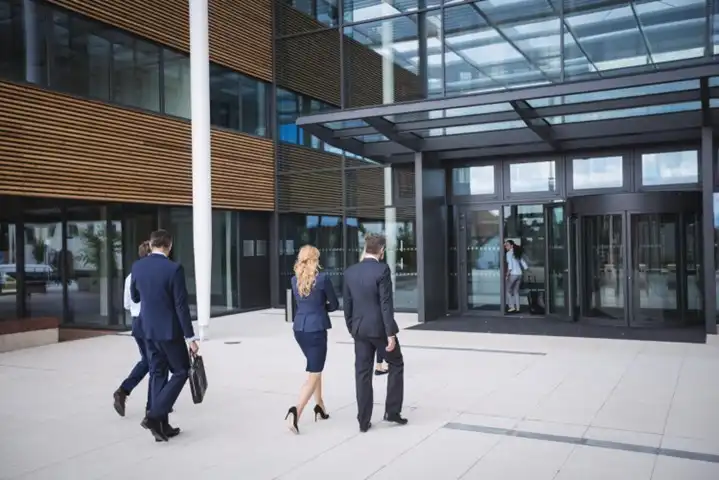
Image by wavebreakmedia_micro on Freepik
A core principle of back-of-house design is separation. Clean and dirty routes, public and service circulation, and staff versus visitor pathways should be clearly defined. This improves hygiene, safety, and user experience.
Hotels and hospitals have long used this logic, but it is increasingly relevant in offices, residential towers, and cultural venues. Waste removal routes, for example, should not intersect with food delivery paths. Service traffic should not compete with occupant movement.
Clear separation reduces conflicts and creates calmer environments for both users and staff.
Designing for the People Who Use It
Back-of-house spaces are workplaces. Custodial staff, technicians, delivery personnel, and facility managers spend significant time there. Good design supports their wellbeing.
Natural light where possible, adequate ventilation, acoustic control, and ergonomic layouts all matter. These spaces should be safe and dignified, not afterthoughts. A building that respects its operational staff tends to be maintained better over time.
Simple gestures, logical signage, comfortable staff rooms, and clear wayfinding, improve morale and efficiency alike.
Technology and Smart Infrastructure
Digital tools are also influencing back-of-house design. Smart building systems, sensors, and maintenance software require data infrastructure and secure equipment rooms. Space for future upgrades should be anticipated.
IoT-enabled systems can optimize cleaning schedules, monitor equipment performance, and track supply levels. However, they still rely on physical access points and serviceability. Technology does not eliminate the need for good spatial planning; it raises the stakes for getting it right.

The Lifecycle Perspective
Architects increasingly think in lifecycle terms. A building may stand for 50 years or more. Over that time, maintenance costs often exceed initial construction costs. Back-of-house design plays a major role in those long-term economics.
Accessible systems are cheaper to maintain. Durable finishes last longer. Logical layouts reduce labor hours. These savings accumulate quietly but significantly.
Clients are also more aware of total cost of ownership. Back-of-house quality is becoming part of value discussions, not just technical coordination.
Designing back-of-house spaces is an exercise in realism. It requires imagining how a building will actually be used, cleaned, supplied, repaired, and adapted. It is less about visual drama and more about operational intelligence.
Yet this is precisely why it matters. Buildings that work well behind the scenes tend to perform better in every visible way. They are safer, more efficient, and more resilient over time.
For architects, investing thought into maintenance, storage, and safety is not a distraction from design excellence, it is a deeper expression of it. When back-of-house spaces are designed with care, the entire building benefits, from facility teams to end users.
In the end, great architecture is not only about what people see. It is also about what allows everything to keep running smoothly, day after day, year after year.
Comments on this guide to Molding company USA and commercial architecture firms article are welcome.
Modern Buildings
Recently added Building posts
Maintaining Your Home’s Exterior Year-Round
Hiring a professional concrete contractor for construction
++
American Architecture Designs
American Architectural Designs – recent selection from e-architect:
America Architecture News – latest building updates
Comments / photos for the Designing Back-of-House Spaces: Maintenance, Storage, and Safety in Modern Buildings page welcome.


