Why It’s Important to Plan for Buffer Porta-Potties at Construction Sites
31 August 2026

At construction sites, creating safe and healthy working conditions for workers is not an option but a responsibility. Regulations are often strict in these matters. Under one such provision, providing easy access to hygienic sanitation facilities is a basic requirement.
Due to the lack of permanent plumbing systems and restrooms, portable sanitation units are used. Project managers follow OSHA standards to provide comfortable, sanitary conditions for their workers and to avoid legal complications. However, many of them make one common mistake: they focus more on laws and overlook the actual needs of the crews, which can affect productivity. It is crucial to note that these considerations matter even more during long shifts or long-term construction projects.
If your construction work is about to start and you are looking for porta potty construction site options, the following considerations may help improve your decision-making. So, let’s explore them quickly.
Analyzing OSHA standards and crew needs for porta potties
According to OSHA guidelines, construction sites with 20 or fewer employees must have at least one toilet facility. For 20 or more employees, OSHA requires one toilet seat and one urinal for every 40 employees. Sites with 200 or more employees must provide one toilet seat and one urinal for every 50 employees. In addition, separate facilities should be arranged for male and female workers. However, single-occupancy units with an internal locking system can be shared by both. All toilets must be clean, sanitary, and easily accessible. Water supply and sewage management should also be addressed.
When you study the guidelines, the terms “minimum” or “at least” will draw your attention. You should consider it carefully. If you strictly follow OSHA numbers, you may overlook practical consequences that can arise during peak usage hours. Due to the limited number of portable toilets, workers may have to wait longer for their turn, which can affect their comfort and productivity. You can avoid this hassle by adding buffer units rather than meeting the minimum requirements. For up to 20 workers, you can install two porta-potties. You should install at least two units for 21 to 50 workers on-site. Again, you can add one extra unit. If 51 to 100 people are working on your site, you can have one or two additional units. Why? The number of porta-potties is often insufficient during long shifts, and several other factors sometimes exacerbate the issue.

Opting for additional porta-potties for construction sites
Holding tanks in standard portable toilets may need to be emptied every 7 to 10 days when each unit is used about ten times daily. During summer, the usage rate can double due to long hours of work on the site. If you follow OSHA’s minimum unit requirement, your site will face tank-servicing challenges due to faster filling, resulting in contaminated wastewater overflowing.
This can result in both a regulatory violation and a health hazard. Some workers may not drink enough water due to limited access to bathrooms. This can cause dehydration. As a result, they may need longer breaks, which can affect afternoon output. At the same time, usage demand may spike during shift changes. Because there are fewer units, many workers may have to wait in line.
Therefore, you should rent porta-potties after considering all aspects. Study the regulations, analyze workers’ needs, and evaluate site conditions before making any decisions. Hiring a few additional portable restrooms is never a bad decision, even in terms of cost.
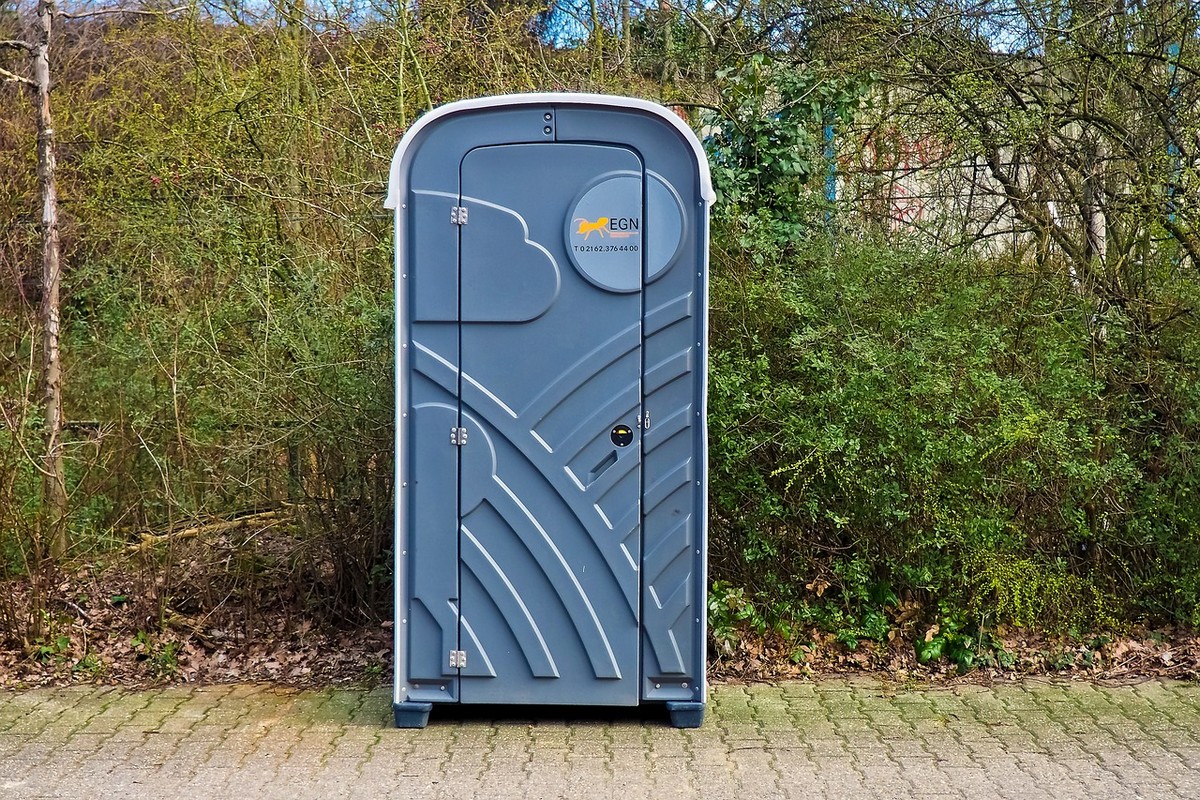
Comments on this guide to Construction site porta potties article are welcome.
Property Design
Contemporary Property Designs – recent architectural selection:
+++
Building Articles
Comments / photos for the Construction site porta potty page welcome