
Essential Safety Practices for Construction Companies
post updated 30 July 2026
30 July 2025
Don’t Get Sued! Essential Safety Practices for Construction Companies
Construction is one of the most dangerous industries in the world. With heavy machinery, unstable structures, hazardous materials, and demanding physical tasks, the potential for injury is high. This reality places a tremendous responsibility on construction company owners and managers.
When accidents happen, companies don’t just risk the health and lives of their workers—they also expose themselves to lawsuits, regulatory fines, and long-term reputational damage. Unfortunately, many lawsuits stem from preventable mistakes. That’s why understanding safety fundamentals and staying legally compliant are critical to your company’s success.
Here are some key safety practices every construction company must adopt—not only to protect workers but also to minimize legal liability.
Let’s get started.
Construction Company Safety Practices Advice
- Stay on Top of OSHA Compliance
OSHA regulations set the baseline for what is considered a safe workplace in construction. Failing to meet even one key standard can result in hefty fines, stop-work orders, and lawsuits if someone gets hurt.
Some of the most frequently cited violations in construction include lack of fall protection, unsafe scaffolding, poor trenching practices, and failure to provide respiratory protection. These are not minor oversights. They are legal obligations that must be met on every job site.
To stay compliant, conduct regular safety audits and assign someone to monitor changes in OSHA rules. If you’re unsure about a regulation or inspection finding, consult with a certified safety professional.
You need someone experienced and board-certified, such as Mr. Hickey at Legacy Mark Safety Consulting. Learn more about this company by visiting https://legacymarksafety.com/safety-expert-witness/.
If litigation becomes unavoidable, involving a safety expert early in the process could improve your chances of a favorable outcome.
- Build a Culture of Safety from the Ground Up
A safety-first mindset can’t be something that only lives in the handbook or shows up when inspections are around the corner. It must be a core value that guides daily operations.
Creating a strong safety culture starts with leadership. Supervisors and managers need to model safe behavior consistently. If they cut corners, ignore protective gear, or downplay hazards, employees will likely follow suit. On the other hand, when leadership visibly prioritizes safety, it sends a powerful message. Regular safety meetings, open-door policies for reporting hazards, and immediate response to concerns reinforce the idea that safety matters at every level.
- Conduct Routine Job Hazard Analyses (JHAs)
Construction sites change constantly, and so do the risks. That’s why conducting a Job Hazard Analysis before starting work on any task is crucial. A JHA helps your team break down each job into its components, identify potential hazards at each step, and figure out how to mitigate them.
This process might involve evaluating whether heavy loads need lifting, whether there’s work being done near power lines, or whether weather conditions increase risk. Once you’ve identified those hazards, you can decide on the appropriate safety controls, like using lifting equipment or scheduling work during safer times of day.
When done consistently, JHAs help reduce accidents and build a reputation for diligence and professionalism. They also create a written record that shows you took safety seriously.
- Keep Training Ongoing and Up-to-Date
Many companies treat safety training as a one-time obligation. But in reality, safety knowledge needs regular updating. Regulations evolve, new equipment gets introduced, and job sites vary in layout and complexity. If your employees aren’t keeping up, they’re more likely to make mistakes that could lead to injury or lawsuits.
Training should cover both general safety topics and project-specific risks. For instance, workers may need different training for operating a scissor lift versus a boom lift.
Most importantly, you need to document every training session. That way, if someone claims they weren’t properly trained, you have the records to prove otherwise.
- Prioritize PPE—and Enforce It
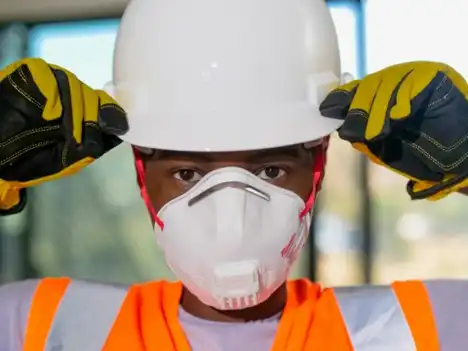
Providing personal protective equipment is a legal requirement, but that’s just the beginning. You also have to make sure workers actually wear it and that it’s being used correctly.
Too often, crews get comfortable or impatient and skip wearing gear. Supervisors might see it happen but say nothing to avoid conflict or delays. That’s a costly mistake. If an incident occurs and it’s clear that PPE wasn’t being used properly—or wasn’t enforced by supervisors—it could open the door to legal claims of negligence.
- Maintain and Inspect Equipment Regularly
Construction sites rely heavily on tools and machinery. When these aren’t maintained properly, they become more than a productivity issue; they become a serious safety hazard. Equipment failures can lead to severe injuries, property damage, and legal action if someone gets hurt due to negligence.
The best way to prevent this is by following a strict maintenance schedule. Keep logs of every inspection, service, and repair. If something isn’t working properly, tag it out and remove it from use until it’s fixed. This includes everything from power tools to forklifts to heavy cranes.
Regular maintenance ensures your equipment functions safely and serves as proof that you’ve taken responsible steps to protect your team..
- Post Clear Signage and Site Warnings
Construction sites are busy, noisy, and often confusing, especially for new workers or visitors. That’s why signage is more than just a formality. It’s a vital part of keeping everyone on the same page about dangers that may not be immediately obvious.
Every site should have signs that clearly indicate hazards like falling objects, high-voltage zones, restricted access areas, and personal protective equipment requirements. These signs should be posted in visible areas and follow standard safety symbols and language.
- Prepare for Emergencies Before They Happen
No one expects emergencies to occur, but when they do, preparation is everything. Fires, electrical shocks, falls, and chemical spills can happen quickly and cause chaos if there’s no clear response plan in place.
Every construction site needs a site-specific emergency response plan. That means identifying evacuation routes, locating fire extinguishers and first aid kits, and designating response roles for workers. Everyone on-site should know who to contact and where to go in an emergency. Periodic drills can help reinforce these procedures.
Please note: Having an emergency plan isn’t just smart; it’s often required by safety regulations.
Accidents in construction are often preventable, and the legal consequences of not preventing them can be devastating. Ignoring safety isn’t just a risk to your crew—it’s a threat to your entire business. But when safety becomes part of everything you do, from planning and training to inspections and documentation, you significantly reduce that risk.
Don’t wait for an incident to remind you how important safety is. Start now, and keep your people (and your business) protected.
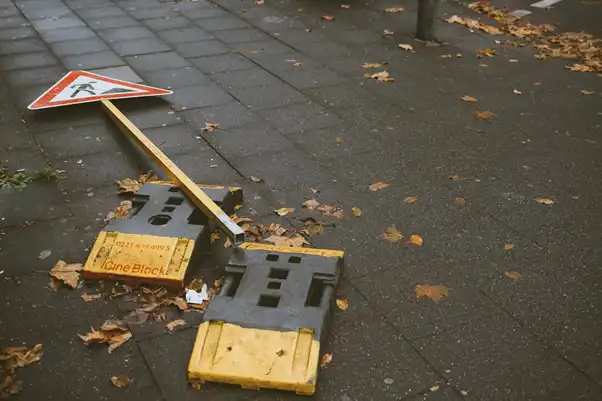
image source : unsplash.com
Comments on this guide to Construction company safety practices article are welcome.
Construction Safety
Construction and Property Safety Posts
Are your safety trainings leaving out rescue
Kitchen safety and strategic protection
++
Building Articles
Contemporary Property Articles – architectural selection below:
Comments / photos for the Construction company safety practices advice page welcome


