
Kitchen safety and strategic protection – the unseen shield
post updated 16 September 2026
16 September 2025
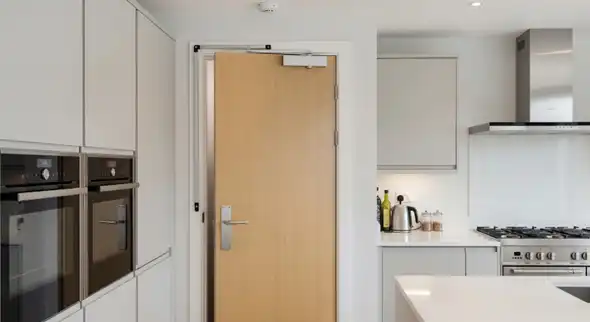
We pour creativity into our kitchens, designing them for gathering and culinary experimentation. Yet, this heart of the home also harbors its greatest potential for danger. The combination of high heat, flammable materials, and occasional distraction creates a significant risk. While smoke alarms and fire extinguishers are essential first lines of defense, a more architectural approach to safety exists. It involves planning not just for detecting a blaze, but for containing one. This strategy integrates daily vigilance with built-in barriers that can compartmentalize danger, offering precious moments for escape and protecting the rest of your dwelling.
Building a Barrier Against Disaster
Reaction time is everything during an emergency. A small kitchen fire can become a whole-house catastrophe in minutes, fueled by open floor plans that allow flames and toxic smoke to spread unchecked. This is where passive protection comes into play. Installing certified fire rated doors provides a critical layer of defense. These specialized units are engineered to resist extreme heat for a prescribed duration, typically 30 or 60 minutes, creating a vital buffer that helps contain the threat and protects escape routes. They are the silent sentinels you hope never need to act.
Kitchen Practices for Proactive Prevention
Before relying on any barrier, minimizing ignition risks is paramount. Never leave active cooking unattended, especially when using oil for frying. Keep combustibles like oven mitts, wooden utensils, and paper towels well away from the stovetop. Regularly clean accumulated grease from range hoods and surrounding surfaces, as this residue is highly flammable. Ensure appliances have adequate space around them for ventilation, and always check that burners are completely off after use. These simple, consistent habits dramatically reduce the chance of a fire starting.
The Anatomy of a Protective Door
What distinguishes these protective barriers from a standard interior model? Their effectiveness lies in their construction. Unlike hollow-core or cardboard-honeycomb models, these doors feature cores of mineral wool or other fire-resistive materials. This robust build makes them significantly heavier. Furthermore, they are designed to be fitted with intumescent seals around the perimeter. While these essential seals are not usually supplied with the door, they are a required part of the assembly. In a fire, the seals expand dramatically, sealing the gap between the door and its frame to block deadly smoke. This sophisticated design transforms a simple opening into a tested and reliable firewall.
Strategic Placement for Maximum Effectiveness
Location is everything for this strategy to work. The most logical placement is at the main entrance to the kitchen itself, effectively boxing the room in. If your home layout includes a pantry or utility room off the kitchen that contains appliances, consider protecting that opening as well. For multi-story homes, ensuring all doors leading to stairwells are rated is crucial, as stairs act as chimneys, funneling heat and smoke upward. The goal is to create compartments, slowing the fire’s progress and safeguarding your exit path.
Beyond the Door: Completing the System
A door alone cannot perform its job correctly. It is only as effective as its frame and hardware. The entire assembly, door, frame, hinges, and closing mechanism, must be certified to work together to achieve its rating. A self-closing device is non-negotiable; a propped-open fire door offers zero protection. Furthermore, small but vital upgrades throughout the home bolster this defense. Ensure you have working smoke detectors installed in every bedroom, outside sleeping areas, and on every level, including the basement.
Protecting your home from fire isn’t about fostering fear; it’s about practicing intelligent preparedness. It merges daily caution with smart architectural choices. By adopting careful kitchen habits and investing in tested protective elements, you build a comprehensive safety net. This layered approach provides something invaluable: time. Time to alert your family, time to evacuate, and time for emergency services to respond. That margin of safety, built into the very structure of your home, is the ultimate protection for the life you’ve built within its walls.
Comments on this guide to The Unseen Shield: Kitchen Safety and Strategic Protection article are welcome.
Kitchen Design
Kitchen Articles
Installing Modular Kitchen in Your Home
Selecting the Right Storage Cabinets for Your Kitchen
++
Property Design
Contemporary Property Designs – recent architectural selection:
Comments / photos for the The Unseen Shield: Kitchen Safety and Strategic Protection page welcome.


