
Are Your Safety Trainings Leaving Out Rescue?
post updated 18 September 2026
18 September 2025
Many safety programs teach workers how to prevent falls and use arrest systems, but don’t address what to do after a fall arrest. Rescue is often assumed to be the job of outside emergency services, which is rarely the case. Without a clear, practiced plan for what happens after a fall arrest, workers remain at risk from suspension trauma and delayed recovery.
Rescue readiness is more than a checklist item. It means having the right plan, people, and tools to act quickly when seconds matter. For many job sites, that includes an emergency rescue kit that crews know how to deploy without hesitation. Leaving rescue out of training creates a dangerous gap that affects compliance, liability, and worker safety.
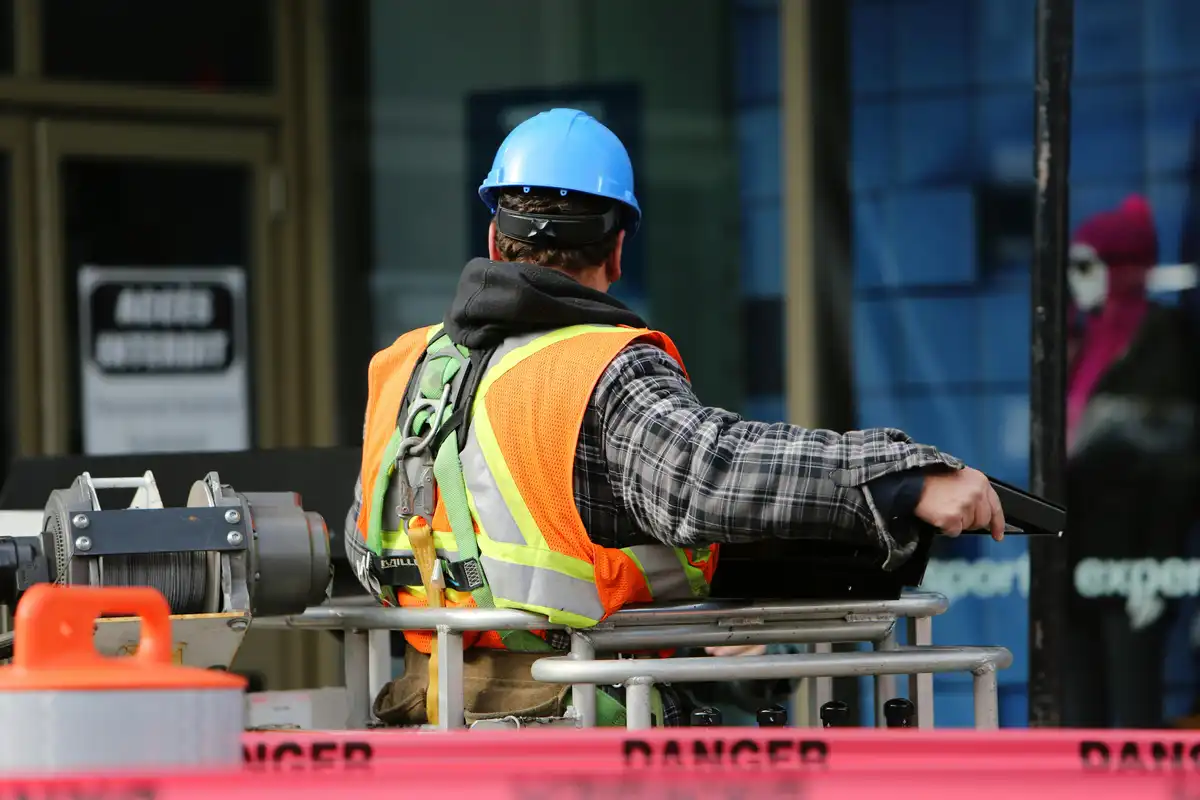
Why Rescue Training is Often Overlooked
Rescue training can be missing from even well-built safety programs. Many EHS leaders focus on hazard prevention because those risks are visible and frequent, while rescue is considered rare. The assumption is that outside responders will arrive quickly, yet actual response times often exceed the safe suspension window.
Rescue planning also looks complex from the outside. It involves specialized skills, unfamiliar equipment, and scenario-based practice. When time and budgets are tight, training on fall protection rescue accessories or other gear needed for post-fall recovery is often cut first. The result is a workforce prepared to stop a fall but not respond afterward.
Some common reasons rescue is left out include:
- Assumption of Rapid Response: There is a belief that calling emergency services is enough.
- Perceived Complexity: Rescue planning and practice seem too specialized.
- Budget Pressures: Training hours and equipment use get deprioritized.
- Low Incident Frequency: Rescue is seen as unlikely, so it falls behind daily hazards.
The Compliance and Liability Risks of Skipping Rescue
Omitting rescue from training is not just an operational oversight. It can be a violation of the Occupational Safety and Health Administration (OSHA) 1926.502(d)(20) and 1910.140, which require employers to provide prompt rescue or self-rescue after a fall arrest. ANSI Z359 reinforces the need for site-specific rescue plans and recommends making contact within six minutes to avoid suspension trauma.
Failure to meet these requirements can mean fines in the tens of thousands per incident, civil liability in the millions if negligence is proven, and, in extreme cases, criminal charges. Even if equipment is present, it must match worker skill. That means having reliable rescue equipment in place and ensuring crews know how to use it.
Key compliance and liability risks include:
- Regulatory Violations: OSHA and American National Standards Institute (ANSI) standards explicitly require rescue readiness.
- Legal Exposure: Civil claims for injury or death can exceed insurance coverage.
- Criminal Liability: Supervisors have faced charges for failure to provide rescue.
- Worker Safety Impact: Delayed recovery increases injury severity or fatality risk.
Core Elements of Effective Rescue Training
Rescue training is only effective if it prepares workers for realistic conditions. That means covering different rescue types, establishing timing expectations, and addressing jobsite-specific risks like confined spaces.
Three primary methods apply: self-rescue, assisted rescue by coworkers, and third-party rescue by specialized teams. Each requires different equipment and skills, and all should be practiced. Time is critical—industry guidance sets a six-minute target to start rescue after fall arrest to minimize the risk of suspension trauma.
Effective training should address:
- Rescue Method Types: Self-rescue, assisted rescue, and third-party rescue.
- Timing Goals: Six-minute target for contact and active rescue.
- Confined Space Protocols: Tripod setups, air monitoring, hazard control.
- Equipment Familiarity: Hands-on drills with site-specific gear.
Integrating Rescue into Existing Fall Protection Programs
Rescue training does not need to be a separate, disruptive event. It can be built into current fall protection refreshers, daily pre-work briefings, and job hazard analyses. Scenario-based training on-site allows workers to use their own gear in the environment where they will need it.
Adapting rescue protocols to the specific site is essential. A tower crew’s needs are different from those of a confined space maintenance team. Manufacturer-led demonstrations or Competent Person-led training can customize rescue to match jobsite conditions and equipment.
Practical integration methods include:
- Scenario-Based Drills: Use site-specific hazards and layouts.
- Modular Sessions: Short, focused training blocks built into workdays.
- Competent Person Leadership: Guidance from trained supervisors.
- Manufacturer-Led Demos: Expert instruction on equipment use.
Measuring the Readiness of Your Rescue Program
Training only matters if it works under real conditions. Measuring readiness means testing rescue plans through drills, evaluating team performance, and keeping accurate records for compliance and improvement.
Benchmark targets can include completing a rescue within six to 10 minutes, error-free equipment use, and clear team communication under stress. Semi-annual or annual drills help keep skills sharp and reveal gaps before an incident occurs. Documentation also plays a role in proving compliance during audits.
Ways to assess readiness include:
- Rescue Time Goals: Six to 10 minutes from arrest to recovery.
- Drill Performance: No missed steps or errors in execution.
- Documentation: Written rescue plan, training logs, equipment inspection records.
- Evaluation Reviews: Post-drill debriefs to identify improvements.
Linking Rescue Preparedness to Worker Confidence
A well-prepared rescue program does more than check a compliance box. It gives workers confidence that their safety is valued at every stage of the job. Knowing that a plan and trained team are in place improves morale and trust in leadership.
Studies show companies with comprehensive rescue training have lower turnover, higher engagement, and stronger safety cultures. Preparedness drills also improve reaction time and decision-making under pressure, making workers more capable in emergencies.
Key workforce benefits include:
- Increased Morale: Workers feel supported and valued.
- Lower Turnover: Safety culture attracts and retains skilled staff.
- Better Performance Under Stress: Drills build muscle memory and confidence.
- Positive Reputation: Preparedness strengthens the employer brand in high-risk industries.
Learn More About Rescue Solutions and Training Support
A complete rescue plan depends on the right equipment and ongoing access to training. Common systems include self-retracting lifelines with descent capability, tripods or davits for confined spaces, aerial lifts, and rope rescue kits. Some jobsites are also using drones for situational assessment in complex rescues.
Authoritative resources from OSHA and ANSI provide guidance, sample plans, and checklists that can be adapted for different environments. Manufacturers also offer in-person and online training options tailored to their equipment.
Rescue equipment and support resources include:
- Self-Retracting Lifelines with Descent: Dual-purpose fall arrest and rescue devices.
- Tripods/Davits: Essential for confined space rescue.
- Aerial Lifts and Rope Kits: For high-angle or inaccessible areas.
- Training Guides: Downloadable templates and checklists from official agencies.
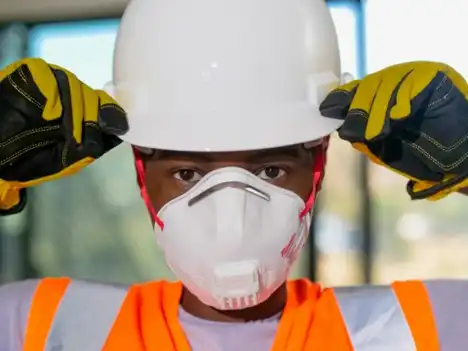
Closing the Gap Between Arrest and Recovery
Fall protection training that stops at prevention leaves a critical hole in safety planning. Rescue readiness is not optional—it is required by regulation, essential for worker survival, and a key measure of leadership responsibility.
By integrating rescue into existing training, practicing realistic scenarios, and ensuring the right equipment is ready for immediate use, EHS leaders can protect both compliance and worker outcomes. The goal is simple: no worker left waiting for help when every second counts.
Comments on this guide to Are your safety trainings leaving out rescue article are welcome.
Construction Safety
Construction and Property Safety Posts
Construction company safety practices
image source : unsplash.com
Kitchen safety and strategic protection
++
Building Articles
Contemporary Property Articles – architectural selection below:
Comments / photos for the Are your safety trainings leaving out rescue advice page welcome


