The Parent Dock family therapy hub in Gent
2 March 2026
Design: Studio Kimchi
Location: Dok Noord, Gent, East Flanders, Flemish Region of Belgium

Photos: Klaas De Buysser
The Parent Dock (Ouderdok) is a parent and family therapy hub in Ghent, located in Dok Noord—an old industrial district now being renewed into a creative, mixed community. Conceived as a low-threshold “inloophuis” for parents and families, it offers therapy, workshops, lectures and informal moments of connection with other parents. The name combines “parent” and “dock”: a safe place to land, catch your breath and feel supported.

Studio Kimchi transformed the existing industrial building into a warm, non-clinical environment where trust is built from the first step inside. The project started from a clear social need: in many support trajectories, the child is central while parents’ wellbeing and capacity are often overlooked. Ouderdok responds by giving parents a place that feels approachable, human and safe—while fully acknowledging that children are usually present during consultations.

The design follows a Wellbeing by Welldesign approach, translating psychological safety into space through sensory design—light, tactility, colour, acoustics and atmosphere. A box-in-box strategy introduces round cocoon rooms that create privacy and calm while respecting the building’s original character. Pastel colours bring serenity and subtly guide visitors to the right consultation room, while deeper tones add warmth and depth. Natural materials, filtered daylight through linen curtains and a tea-focused bar turn arrival into a small ritual of ease.

Designed for parents, children and therapists alike, the layout supports real family dynamics: children can play or retreat, parents can connect and talk, and low furniture in the open-house area keeps sightlines clear—helping conversations feel safer, lighter and more grounded.


What inspired the creation of The Parent Dock as a warm, low-threshold parent & family therapy hub? How does this mission translate into the services offered and the overall atmosphere of the space?

The Parent Dock grew from a simple observation: in many support trajectories, the child is central, while the parent’s experience and capacity are often overlooked. The Parent Dock was created to be a trusted, approachable place where parents can “dock” for a moment—land, breathe, and feel held—while still acknowledging the reality that children are usually present.
That mission is reflected in both the offer and the design. On the service side, Ouderdok combines therapy with workshops, lectures and informal moments of connection—so support can be structured when needed, and low-threshold when that’s what helps most. Spatially, we translated psychological safety into atmosphere: a preserved industrial shell softened by round, box-in-box “cocoon” rooms, calm colour guidance, tactile natural materials, filtered light and a tea-focused bar that turns arrival into a small ritual of ease. The result is a space that feels warm and non-clinical—designed to lower stress, build trust and make conversation easier for parents, children and therapists alike.
Studio Kimchi played a crucial role in the interior architecture. How did the concept of an industrial shell combined with soft cocoon rooms and sensory design contribute to building trust and fostering a therapeutic environment for families?
We deliberately kept the building’s industrial shell visible because it brings honesty and grounding—nothing feels staged or overly “perfect,” which helps people relax. But an industrial envelope on its own can feel hard or exposed, so we introduced soft, round box‑in‑box cocoon rooms: protective volumes that create immediate psychological safety and privacy. Their curved geometry reduces sharpness and confrontation, and intuitively signals “you’re welcome here—take your time.”

Sensory design ties it all together. We worked beyond the visual: filtered daylight through linen curtains, tactile natural materials, warm colour guidance, and calm acoustics to reduce overstimulation. Every choice was made to support regulation—lower stress, slow the body down, and make it easier to speak. For families, that combination is key: parents feel held and less judged, children have space to move or retreat, and therapists get a setting where trust can build naturally from the first moment inside.


The Parent Dock is located in Ghent’s Dok Noord. How does this specific location influence the hub’s identity and its connection with the local community? What considerations were made regarding accessibility and integration within the neighborhood?
Dok Noord strongly shapes The Parent Dock’s identity because it’s a place in transition: an old industrial zone that’s being renewed into a creative, mixed-use district. That contrast mirrors what Ouderdok stands for—grounded and real, yet hopeful and forward-looking. Being in a neighborhood where you naturally see a wide mix of people, public life and families also supports the hub’s purpose: it normalizes stepping inside for guidance, connection or support.
At the same time, we see the concept as bigger than Ghent. In every city there are parents who need community with other parents, a moment of guidance, or simply a place to connect—without it feeling heavy or clinical. Dok Noord is a strong starting point because it already attracts diverse audiences and has an open, accessible energy.
In terms of accessibility and integration, the key considerations were to keep the hub approachable and non-intimidating: easy to find within the district, welcoming from the first threshold, and designed to work for parents arriving with children. Inside, the layout supports low-threshold use—clear wayfinding, an open-house feel, and spaces that allow parents to stay connected to their children while engaging in conversation—so the hub feels like a natural part of the neighborhood rather than a closed-off clinic.
Could you share some of the key challenges and rewarding moments encountered during the development and realization of The Parent Dock? What unique aspects of this project stand out to you?
One of the key challenges was balancing two worlds that can easily clash: respecting the authenticity of the existing industrial building while creating an atmosphere of warmth, privacy and trust. We didn’t want to “cover up” the shell, but we also couldn’t let the space feel hard or exposed—especially for parents arriving in a vulnerable moment, often with children beside them.
Another challenge was designing for multiple users at once. The story had to work for parents, therapists and children—without compromising anyone’s experience. That meant thinking beyond aesthetics and focusing on real behaviour: movement, sightlines, overstimulation, the need for retreat, and the need for connection.
The most rewarding moments came when the concept clicked into something tangible: the round box-in-box cocoon rooms that immediately communicate safety, the calm colour guidance that subtly leads people to the right consultation room, and the open-house area where low furniture lets parents keep an easy eye on their children—small choices that have a big psychological impact.
What stands out as unique is that The Parent Dock was designed as a therapeutic tool, not just a setting. It’s research-driven, sensory by intention, and built around an often-overlooked group: parents. The project proves that interior architecture can actively lower stress, build trust and make conversation easier—through form, material, light and atmosphere.


Looking ahead, what is the long-term vision for The Parent Dock? How do you see the hub evolving to meet the changing needs of families and contribute to the broader field of parent and family therapy?
The long-term vision for The Parent Dock has two connected sides.
First, it’s a therapeutic vision: to reach more and more parents and give sustained attention to a group that is still too often overlooked. We strongly believe that healthy parents are the roots of the family—when parents feel supported, the entire system benefits. The hub can grow as a place for therapy, guidance, education and community, making support feel normal, accessible and continuous rather than something you only seek in crisis.
Second, it’s a design vision. We see a broader shift happening from ego-centered design to truly human-centered design—where psychology, wellbeing and real human behaviour become the goal, not just the aesthetic outcome. The Parent Dock is a living example of that shift: a space designed to lower stress, build trust and support connection through form, materials, light and sensory experience.
Looking ahead, we see the hub evolving by expanding its programs and community moments, learning from how families actually use the space, and continuing to share insights that can influence the wider field—showing how therapeutic care and interior architecture can work together to support families more effectively.

Architects: Studio Kimchi – https://www.studiokimchi.be/
Photography: Klaas De Buysser
The Parent Dock family therapy hub, Gent, Belgium images / information received 020326
Location: Dok Noord, Gent, Belgium, western Europe.
Ghent Buildings
Gent Architecture Designs – architectural selection below:
FREL House, Wondelgem, Gent, East Flanders, Flemish Region of Belgium
Design: ZOOM architecten
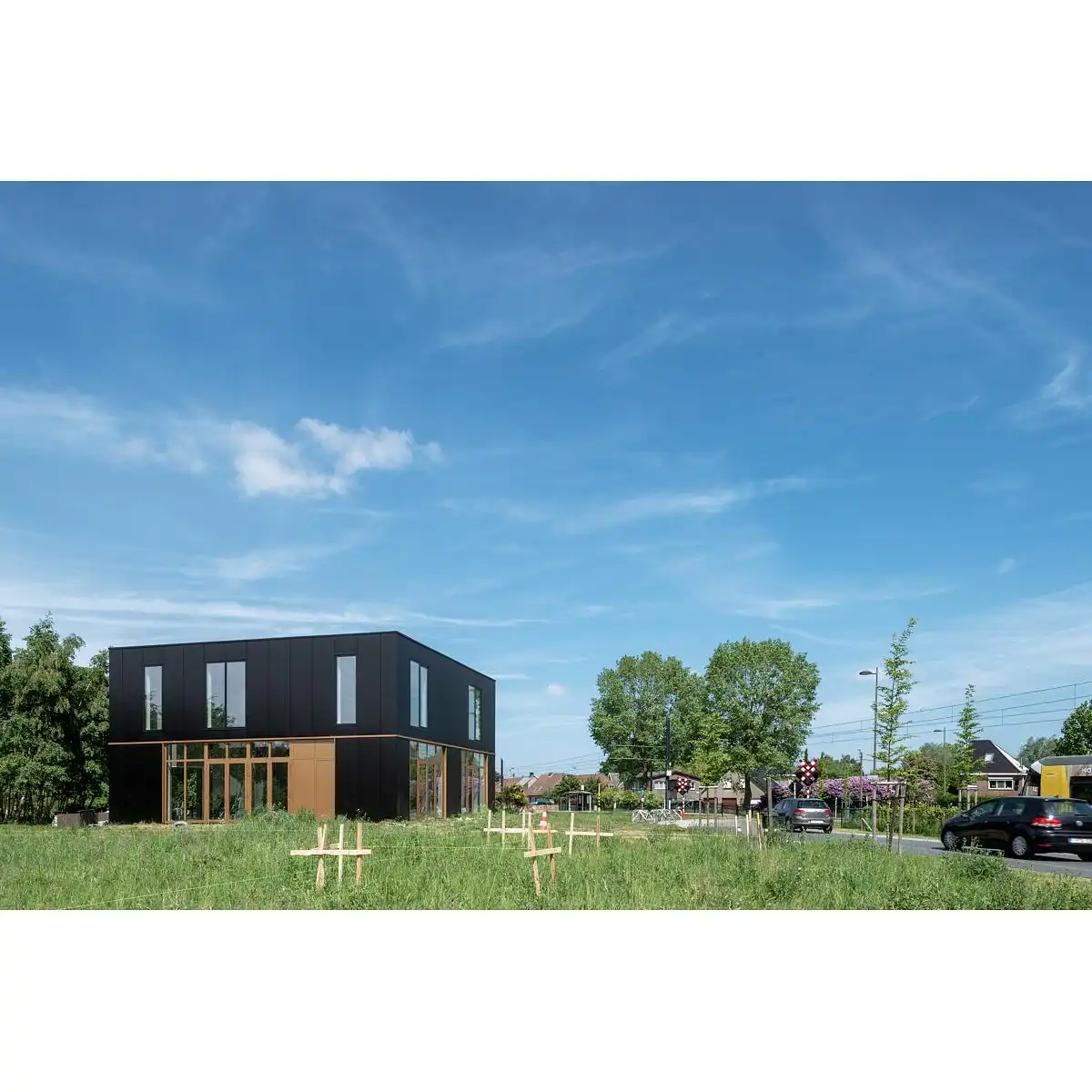
photo : Dieter Van Caneghem
Wintercircus Cultural Hub, Gent, Vlaams Gewest
Design: OYO Architects
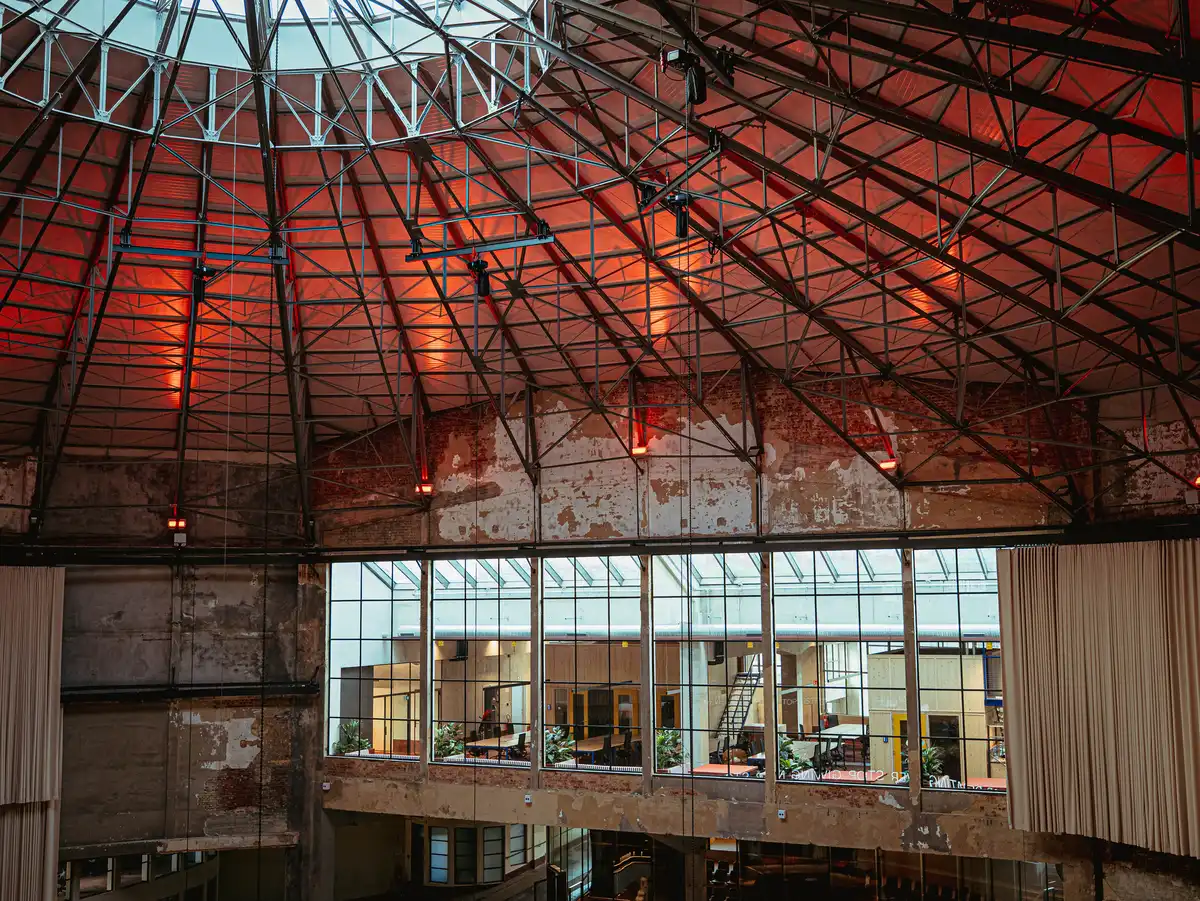
photo : Farah Lieten
Sports Hall Extension Campus Schoonmeersen, Flanders
University HOGENT Ghent Campus Schoonmeersen Buildings
+++
Modern Belgian Architecture Designs
Belgium Architecture Designs
Kanal Museum in Brussels
Design: EM2N, noAarchitecten and Sergison Bates architects
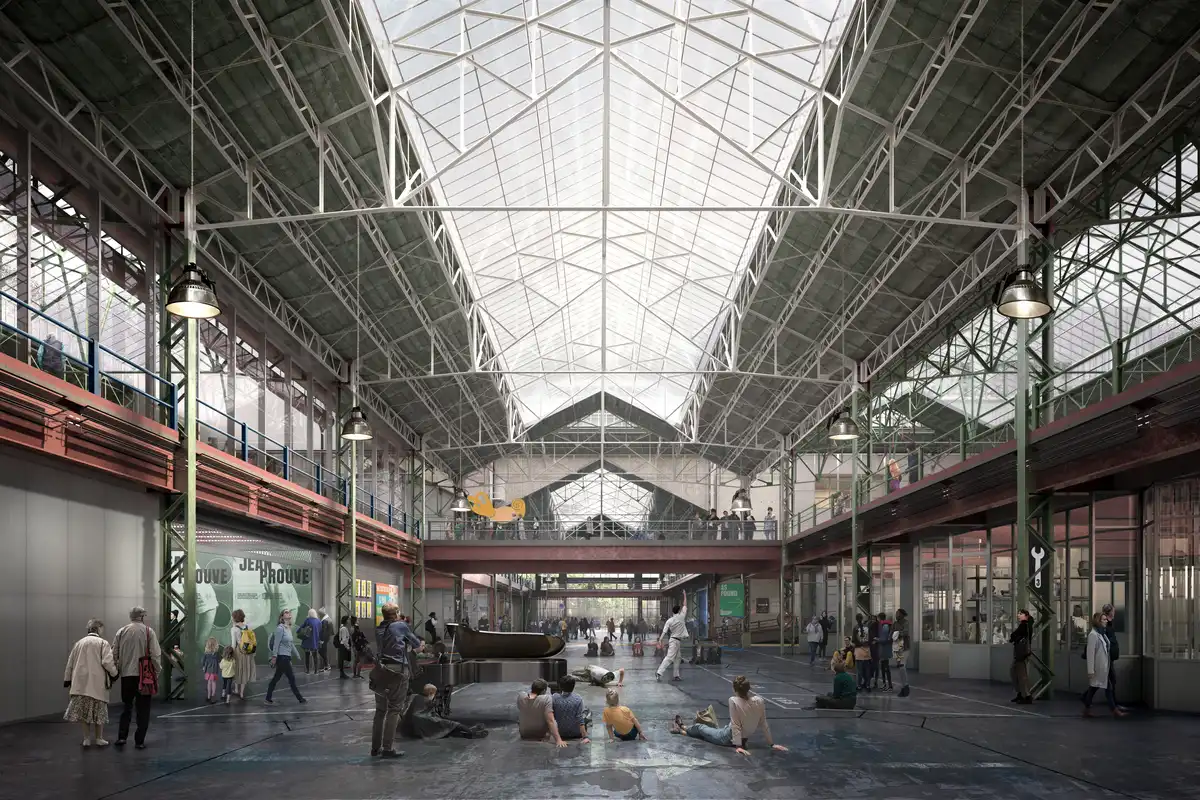
render © Secchi Smith
HANA Residence, Halle
Design: ZOOM architecten
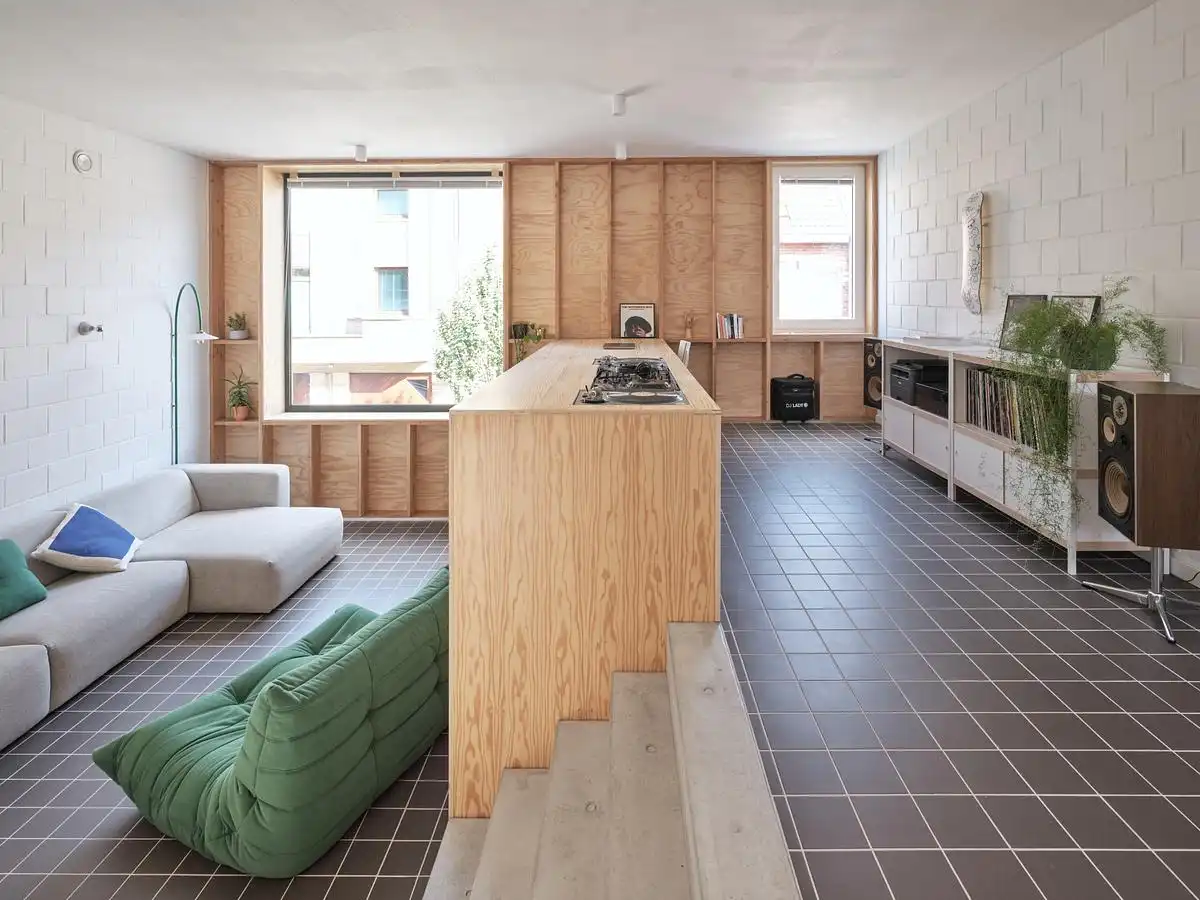
photo : Dieter Van Caneghem
Comments / photos for the The Parent Dock family therapy hub in Gent, Belgium designed by Studio Kimchi page welcome