Why the Best Home Renovations Are Phased — Not Rushed
16 January 2026
Renovation is often imagined as a single decisive act: plans are finalized, budgets are fixed, and construction begins in earnest. In reality, the most successful residential renovation projects rarely unfold in one uninterrupted burst.
Instead, they evolve over time—through observation, refinement, and adaptation. From an architectural perspective, phased renovations allow homeowners and designers to respond thoughtfully to the existing structure, the surrounding environment, and changing needs. Rather than forcing all decisions upfront, this approach embraces flexibility, leading to better design outcomes and more resilient homes.
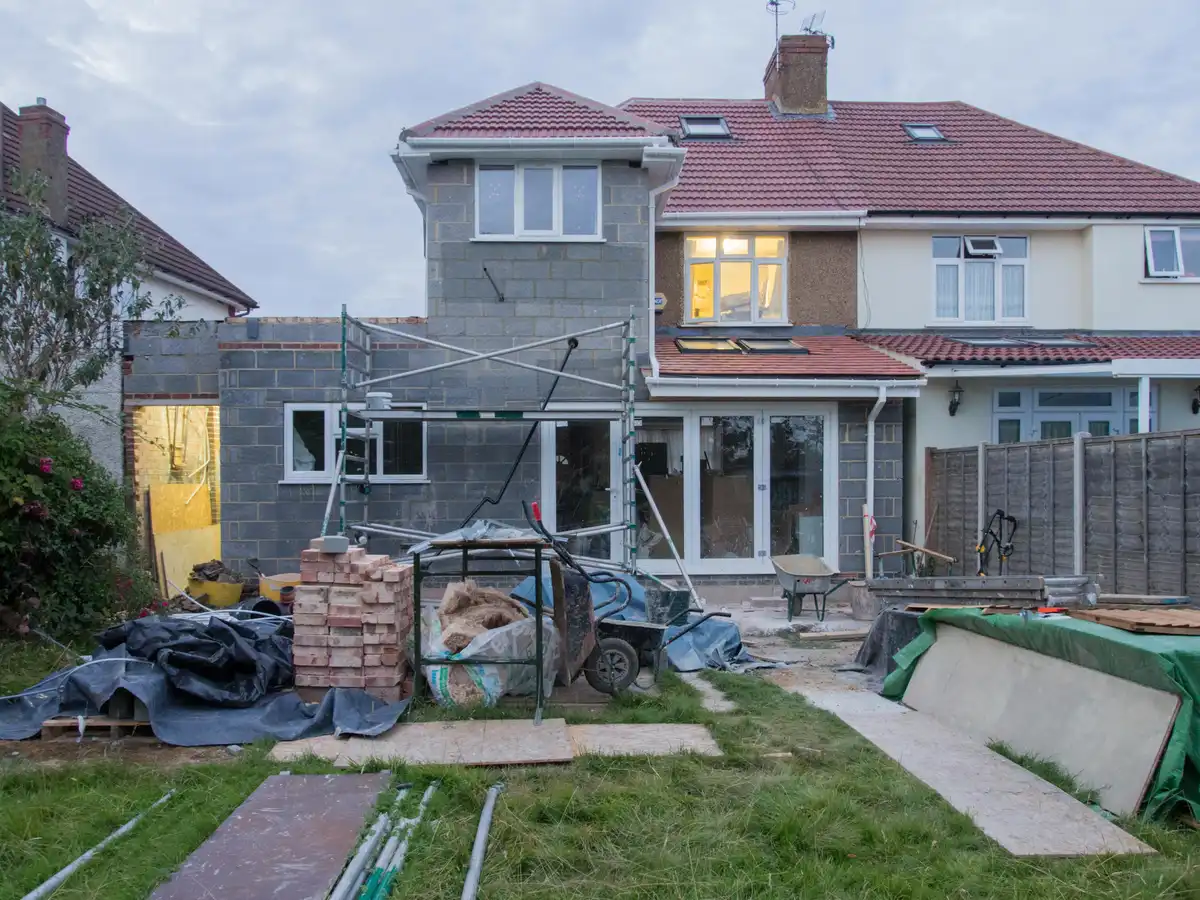
Renovation as a Process, Not a One-Time Event
Renovation is a mindset that aligns closely with how buildings actually function. A home renovation is not merely a construction project; it is an ongoing dialogue between space, use, and intention. Early design assumptions often change once walls are opened, materials are exposed, or spaces begin to be lived in differently. Phased renovations acknowledge this reality. By breaking a project into manageable stages, homeowners can evaluate how each change affects daily life before committing to the next.
An initial phase might address structural integrity or spatial flow, while later stages refine materials, lighting, or sustainability upgrades. This measured approach allows architecture to respond to lived experience rather than abstract plans alone. From a financial and logistical standpoint, phasing also reduces pressure. Instead of committing to a rigid scope from day one, homeowners maintain the ability to adapt—an advantage that becomes especially valuable in complex or older properties where unknowns are common.
Why Flexibility Matters in Early Planning
Flexibility matters most during the early planning stages, when uncertainty is at its highest. Even the most thorough surveys and drawings cannot fully predict what will be uncovered once construction begins. Older homes, in particular, often reveal outdated wiring, structural wear, or previous modifications that require reconsideration. Flexible planning enables homeowners to address these discoveries without compromising the integrity of the overall design.
Rather than forcing solutions to fit an inflexible budget or timeline, phased projects allow priorities to shift as new information emerges. This is also where funding strategy intersects quietly with design strategy. Renovations completed in stages often require access to capital over time rather than all at once. Homeowners exploring this approach typically research different ways to fund projects incrementally, and some choose to review their options before they apply for heloc solutions that align with a phased renovation schedule. When funding and design are both approached with adaptability in mind, the renovation process becomes less reactive and more intentional.
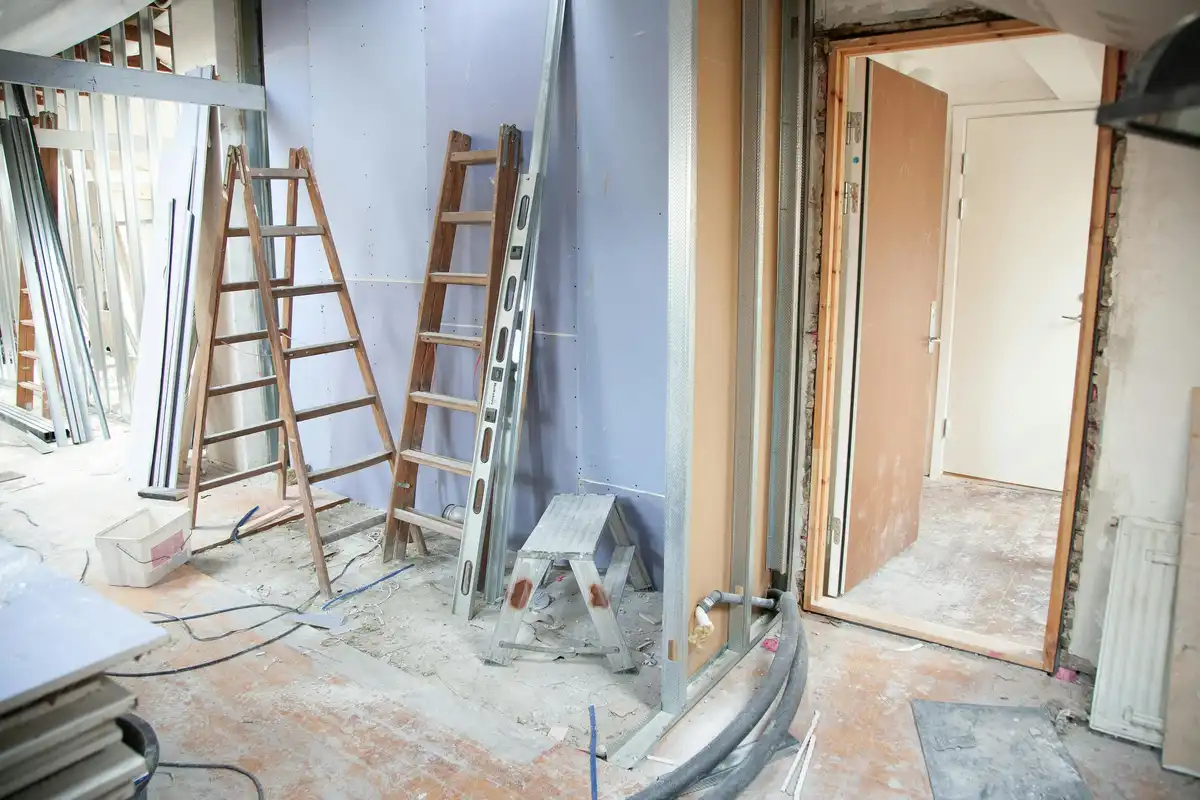
Real-World Feedback: A Crucial Design Tool
One of the most overlooked advantages of phasing is the opportunity for real-world feedback. Architectural drawings are indispensable, but no plan can fully anticipate how a space will feel once occupied. Phased renovations allow homeowners to live within changes before moving forward. For example, a first phase may focus on reconfiguring circulation—opening sightlines, improving daylight access, or adjusting room proportions.
Once those changes are experienced, subsequent decisions about finishes, built-ins, or secondary spaces can be made with greater clarity. This feedback loop often leads to more restrained, thoughtful design. Instead of over-specifying every element from the outset, architects and homeowners can respond to what the space actually needs. The result is often a home that feels more cohesive and less over-designed.
Sustainability and Longevity: Building for the Future
From a sustainability standpoint, phased renovations encourage conservation over excess. Rather than replacing everything at once, homeowners can prioritize interventions that deliver the greatest performance gains, such as insulation, windows, or mechanical systems, before addressing aesthetic upgrades. This approach aligns with contemporary architectural values that emphasize longevity, adaptability, and responsible resource use. Living with an existing element for longer often reveals that it does not need replacement at all.
What initially seemed outdated may simply require recontextualization within a broader design strategy. By slowing the pace of renovation, homeowners are more likely to preserve functional materials and reduce unnecessary waste. This deliberate approach also allows for better material sourcing, giving designers time to specify higher-quality or locally produced elements that contribute to both performance and character.
Contractors from the Kitchen & Bath Design Center always advise clients to balance aesthetic upgrades with practical everyday needs. Taking time to carefully plan each phase ensures that the final layout improves daily functionality while honoring the original architectural spirit of the home.
How Phased Renovations Benefit Both Homeowners and Architects
Phasing also supports a more thoughtful relationship between architects and clients. Rather than delivering a single, fixed solution, the role of the architect shifts toward guiding a process over time.
This includes establishing a clear long-term vision while allowing interim flexibility, designing early phases that do not limit future possibilities, and helping clients prioritize interventions that deliver immediate value without undermining later stages. When done well, this collaborative approach results in architecture that feels intentional rather than rushed. Homes renovated in phases often reflect deeper consideration, greater restraint, and a stronger connection between form and function.
Conclusion: Patience and Planning Lead to Better Design
In an era where speed is often equated with efficiency, phased renovation stands as a reminder that good architecture benefits from patience. By embracing renovation as an evolving process, homeowners gain the freedom to respond to real conditions, refine priorities, and make better design decisions over time. The result is not only a more functional and enduring home, but one that reflects care, foresight, and architectural integrity.
Comments on this guide to Why the best home renovations are phased article are welcome.
House Refurbishment
House Refurbishment Articles
Residential renovation hidden structural risks
Common challenges in commercial renovation projects
++
Property Designs
Residential Architectural Designs – selection:
Comments / photos for the Why the best home renovations are phased not rushed – homeowner refurb tips page welcome.