
Hidden Structural Risks in Residential Renovation
December 27, 2025

Why early investigation matters more than design ambition
Residential renovation is often driven by architectural vision — improved light, better spatial flow, contemporary finishes, or adaptive reuse of ageing housing stock. Yet behind many visually successful renovation projects lies a quieter story of structural compromise, reactive remediation, and avoidable cost escalation.
Unlike new construction, renovation work is fundamentally constrained by what already exists. Walls carry history as well as load, foundations reflect decades of soil movement, and previous interventions are rarely as well documented as original drawings suggest. For architects, designers, and construction professionals alike, understanding these hidden conditions early is essential to protecting both design intent and long-term building performance.
The challenge of designing within unknown conditions
Existing residential buildings often present incomplete or unreliable information. Original plans may be missing, while subsequent alterations — particularly in older urban housing — may never have been formally approved or engineered. As a result, assumptions made during concept design can quickly unravel once physical investigation begins.
Common latent conditions encountered during renovation include:
- Undocumented removal or modification of load-bearing elements
- Timber deterioration concealed behind finishes
- Differential settlement caused by long-term soil movement
- Incompatible structural materials introduced during earlier upgrades
- Moisture ingress affecting framing and subfloor systems
These issues are rarely visible during initial site visits, yet they have a direct impact on structural capacity, compliance pathways, and construction feasibility.
When structural reality emerges too late
In many renovation projects, structural risk is only fully revealed during demolition. At that point, the project has already absorbed design costs, approvals, and contractor mobilisation. Discovering structural failure late often forces rapid redesign under time pressure, with limited opportunity to explore optimal solutions.
In residential renovation projects, one of the most underestimated risks is the condition of the structure beneath finished surfaces. Issues such as footing movement, concealed subsidence, and load redistribution frequently emerge only once demolition is underway, when remediation options become more constrained and costly. Early structural investigation and transparent cost planning allow design teams to respond proactively. Resources that outline foundation repair costs in Sydney provide realistic benchmarks for remediation scope, while specialist guidance on structural restoration for existing homes illustrates how targeted intervention can stabilise buildings without undermining architectural outcomes.
Design ambition versus structural capacity
Architectural interventions often seek openness — removing walls, extending spans, or reconfiguring layouts to suit contemporary living. While these changes can dramatically improve spatial quality, they also place new demands on existing structures that were never designed for such loads.
Without early structural input, design decisions may inadvertently introduce:
- Excessive deflection in retained framing
- Overloaded footings
- Inadequate load paths between old and new elements
- Long-term movement that compromises finishes and joinery
Integrating structural assessment at concept stage allows architectural ambition to be tested against physical reality, preserving both safety and design integrity.
Regulatory complexity in renovation contexts
Renovation projects also operate within a regulatory environment that is often more complex than new construction. Heritage overlays, strata requirements, fire separation standards, and accessibility obligations can all be triggered by relatively modest design changes.
Failure to anticipate these requirements early can result in approval delays or forced redesign. For architects, aligning design development with compliance strategy is critical to maintaining project momentum and avoiding unnecessary compromise later in the process.
Designing for longevity, not just completion
Beyond immediate compliance and construction feasibility, renovation design must consider how buildings will perform over time. Structural remediation undertaken as part of a renovation should not simply satisfy minimum requirements, but contribute to the long-term resilience of the building.
Key considerations include:
- Allowing for future adaptability
- Managing moisture and ventilation holistically
- Ensuring compatibility between existing and new materials
- Reducing reliance on reactive maintenance
When structural interventions are thoughtfully integrated into the design narrative, renovations become opportunities to extend building life rather than postpone inevitable failure.
Lessons for the built environment professions
Successful residential renovation requires a shift in mindset. Rather than treating existing conditions as obstacles to be managed later, they must be understood as primary design inputs.
For architects and construction professionals, this means:
- Embracing early investigative work
- Collaborating closely across disciplines
- Communicating structural risk clearly to clients
- Allowing design to respond to evidence, not assumption
Projects that adopt this approach tend to achieve better architectural outcomes, greater cost certainty, and more durable results.
Home Renewal Conclusion
Residential renovation sits at the intersection of aspiration and constraint. While design vision sets the direction, structural reality defines the boundaries within which that vision must operate.
By prioritising early investigation, realistic cost modelling, and informed structural intervention, renovation projects can achieve outcomes that respect both architectural intent and the long-term performance of the built environment.
Comments on this guide to Residential renovation hidden structural risks article are welcome.
Acrylic Architecture Designs
Acrylic Building Design Products – recent architectural selection from e-architect below:
Right thickness of acrylic sheets
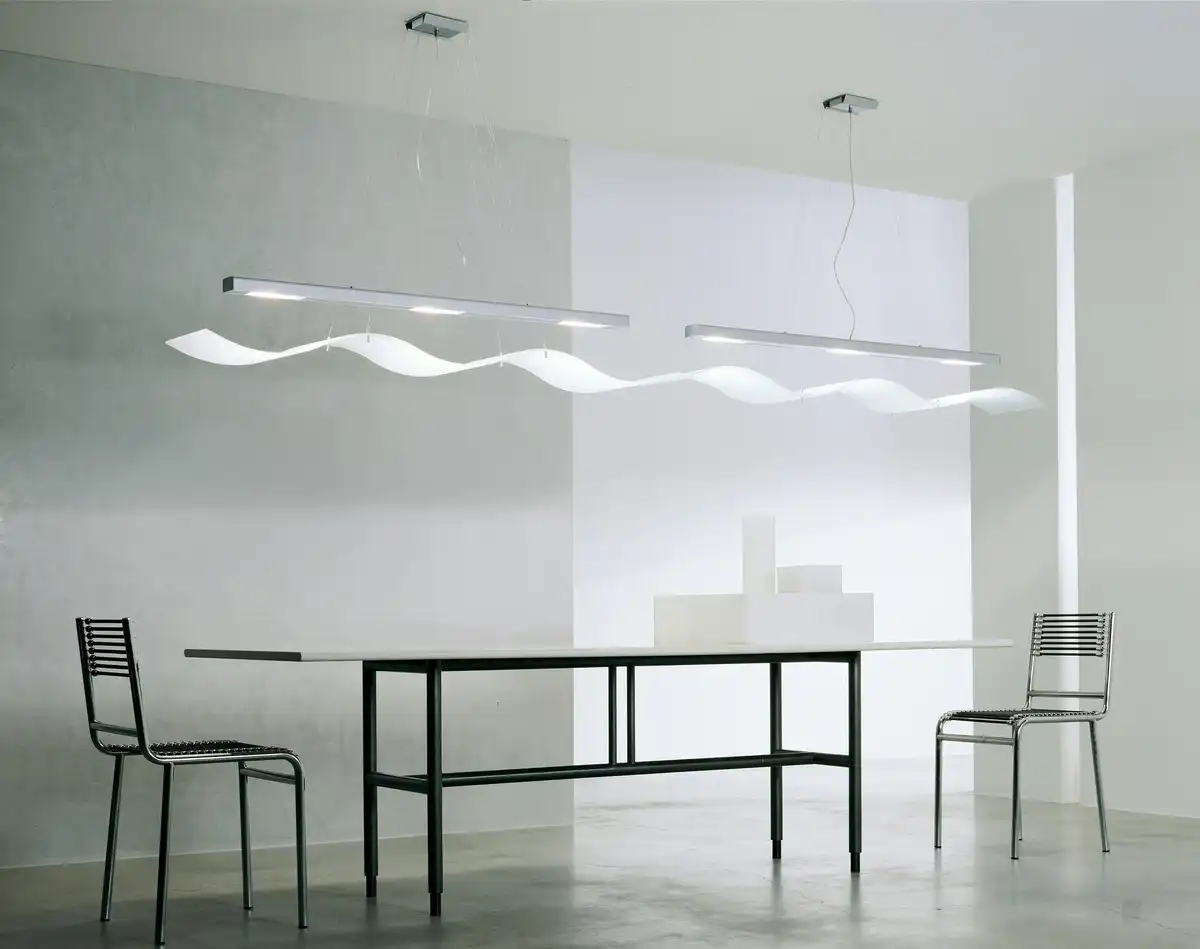
Home decor with acrylic sheets
Acrylic in healthcare architecture
++
Building Articles
Residential Architecture – selection:
Comments / photos for the Residential renovation hidden structural risks advice page welcome.


