Why Gutters, Flashing and Trims Weather at Different Rates
25 August 2026

Walk around almost any house and you’ll notice it: one downpipe still looks factory-fresh while the gutter next to it is streaked and dull. Gutter and flashing weathering rarely happens evenly, and the reason has less to do with age than with what’s actually protecting the metal underneath.
Two fixtures installed on the same day, facing the same weather, can age at completely different speeds depending on their finish, their exposure, and how well moisture is allowed to drain away rather than sit and work at the surface. This guide explains why some metal fixtures need far less attention than others, so a homeowner can plan a realistic maintenance routine instead of guessing which parts of the exterior actually need a closer look each season.
Common Exterior Metal Fixtures and Why They Weather Differently
A typical home has more exterior metal than most owners realize until they start looking for it. Gutters carry the most obvious wear because they hold standing water and collect debris, but flashing around chimneys, dormers and roof-wall junctions works just as hard, sealing joints that are constantly flexing with temperature changes. Fascia trims sit at the roofline where sun exposure is often most intense, while downpipes handle the concentrated runoff that gutters funnel toward them.
What varies isn’t just the material, since most of these fixtures are some form of coated aluminium or galvanized steel, but the combination of conditions each one experiences. A gutter on the shaded north side of a house rarely dries out fully between rain events, so it deals with prolonged dampness rather than heat. A fascia trim facing full sun for most of the day experiences a different stress entirely, one driven by ultraviolet exposure and thermal cycling rather than standing moisture. Flashing at a roof valley often takes the worst of both worlds, since water concentrates there before draining and the metal is frequently in shadow.
This uneven exposure is exactly why two fixtures of similar age can look so different. It isn’t necessarily that one was made from cheaper material, though that happens too, but that the local environment around each fixture puts a different kind of load on the coating protecting it. Recognizing this pattern early helps homeowners understand that a maintenance walk-around needs to account for position and orientation, not just fixture type.
What Causes Visible Wear on Unprotected or Poorly Coated Metal
The wear itself almost always traces back to a break in the protective layer rather than a flaw in the base metal. A scratch from a ladder, a chip from a falling branch, or a poorly sealed cut edge exposes bare metal to moisture, and that’s where corrosion typically starts. Once water reaches unprotected metal, it doesn’t need to sit there constantly; repeated wetting and drying cycles are often enough to establish a corrosion point that then spreads slowly outward from the original break.
Sunlight causes a separate kind of damage that shows up more gradually. Over years of ultraviolet exposure, lower-quality paint finishes can chalk, meaning the surface develops a fine, powdery residue as the binder holding the pigment breaks down. Alongside chalking, color fading is common, particularly on darker finishes where pigment breakdown is more visible. Neither of these processes threatens the metal directly the way corrosion does, but they’re an early warning sign that the coating’s protective qualities are wearing thin, and a coating that’s chalking is generally also losing some of its resistance to moisture penetration at the surface.
The two problems often compound each other. A UV-degraded coating becomes more porous and more prone to hairline cracking, which then gives moisture new pathways to reach the metal underneath even without an obvious scratch or impact. This is why fixtures that look merely “faded” from a distance sometimes turn out, on closer inspection, to have small corrosion spots starting at cracks in the finish. The lesson for a maintenance routine is that fading and chalking aren’t just cosmetic issues to note and ignore; they’re indicators that the underlying protection is starting to fail.
How Coating Quality Changes a Maintenance Schedule
Not all coatings age the same way, and the difference largely comes down to how and where they were applied. Factory-applied coil coatings, where the metal is coated in continuous sheet form under controlled temperature, humidity and curing conditions before being formed into gutters, trims or roofing panels, tend to produce a far more even and durable finish than paint applied on-site after installation. Site-applied coatings depend on weather conditions at the time of application, application skill, and curing time that’s rarely as consistent as a factory line can achieve, which is part of why field-painted trims often show wear sooner than factory-finished ones even under similar exposure.
This difference has a direct effect on how much attention a fixture needs going forward. A fixture with a high-quality factory coating generally only needs periodic visual checks to catch the rare scratch or impact point, rather than a repainting cycle. This is one reason aluminium roof systems installed on many buildings rely on factory coil coating rather than depending on post-installation painting to hold up over time. The coating becomes part of the product from the start rather than a maintenance task added afterward.
For a homeowner comparing options or trying to understand why one fixture seems to demand constant attention while another nearby doesn’t, the coating’s origin is often the clearest explanation. A well-applied factory finish shifts most of the maintenance burden from repainting to simple observation, which adds up to a meaningfully lighter routine over the life of the fixture.
Simple Checks Homeowners Can Do Seasonally
A seasonal visual check is the single most useful habit for catching problems before they turn into repairs. Walking the perimeter of the house and looking specifically for chalking, scratches, or areas where water is pooling rather than draining takes only a few minutes but catches most early-stage issues. Chalking shows up as a dulling or powdery residue when touched; scratches are usually visible as thin lines where the coating color changes slightly; and ponding water, especially in gutters or at flat flashing junctions, points to a drainage problem that will accelerate wear if left alone.
Clearing debris is the other core task, and it matters more than it might seem. Leaves, twigs and grit trapped in a gutter or at a flashing junction hold moisture against the metal far longer than open rainfall would, turning a fixture that’s otherwise well protected into one that’s constantly damp in one specific spot. This is often where corrosion starts even on decent coatings, simply because the debris keeps that one area wet long after the rest of the surface has dried.
A short seasonal routine covers most of what matters:
- Check gutters and downpipes for debris buildup and slow or blocked drainage
- Look at flashing junctions and roof valleys for ponding water or gaps
- Scan fascia and trim surfaces for chalking, fading or fresh scratches
- Note any spot where a scratch or chip has exposed bare metal
None of these checks require special tools, and most take less time than a walk around the garden. The value is in doing them at consistent intervals rather than only after noticing a problem, since early corrosion points are much easier to manage than ones that have had a season or two to spread.
Frequently Asked Questions
How often should exterior metal fixtures be checked?
A seasonal check, roughly aligned with the change of seasons, is generally enough to catch chalking, scratches or drainage issues before they worsen. Fixtures in more exposed positions, such as valleys or shaded areas that stay damp longer, may benefit from an extra look after major storms.
Can a scratch on a coated fixture be repaired without replacing the whole piece?
Touch-up paint matched to the original coating can extend the life of a minor scratch if it’s applied promptly, before moisture has a chance to reach the bare metal underneath. Waiting too long after damage occurs generally reduces how effective a touch-up repair will be.
Does fading always mean the coating has failed?
Not necessarily. Fading is often a cosmetic sign that a coating is aging, and it can occur well before the coating loses its ability to keep moisture out. It’s worth treating fading as a signal to check more closely for cracking or chalking, rather than an automatic sign that replacement is needed.
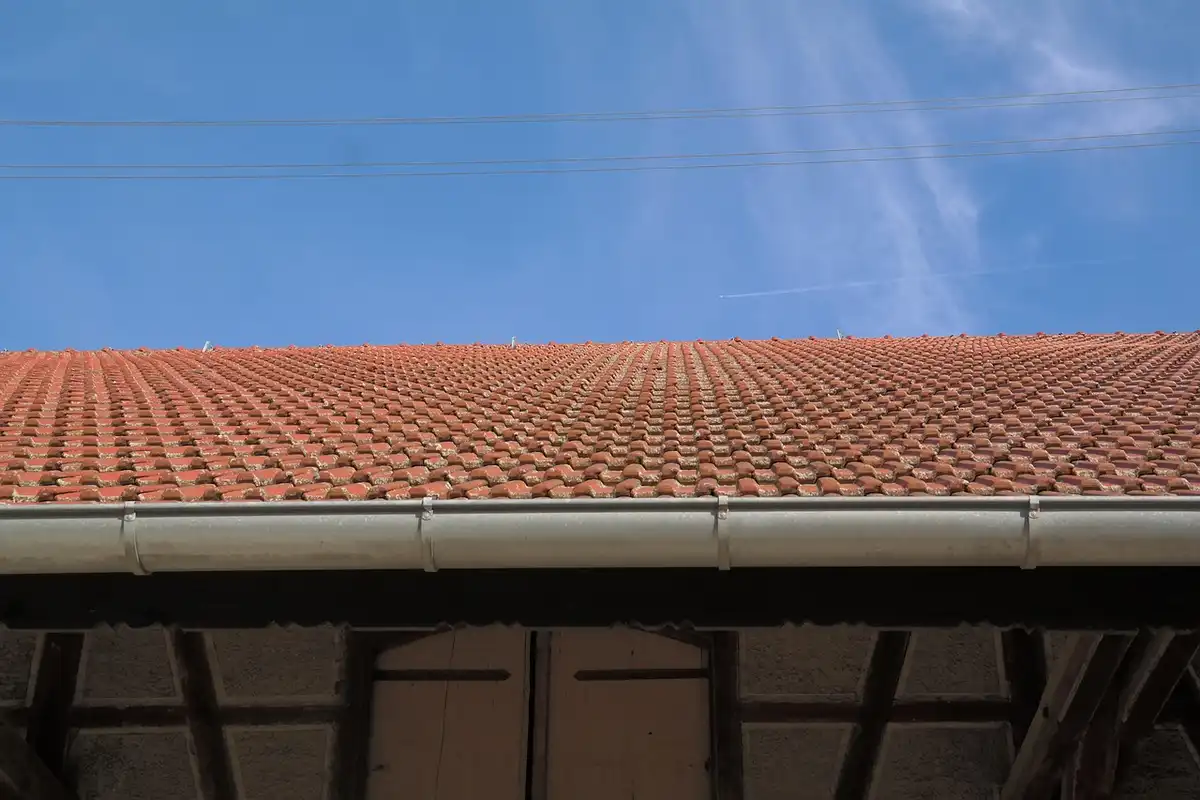
Comments on this guide to Why gutters, flashing and trims weather differently article are welcome.
Roofing and Gutters
Roof Gutter Posts
Roofing and Gutters in Ohio, USA
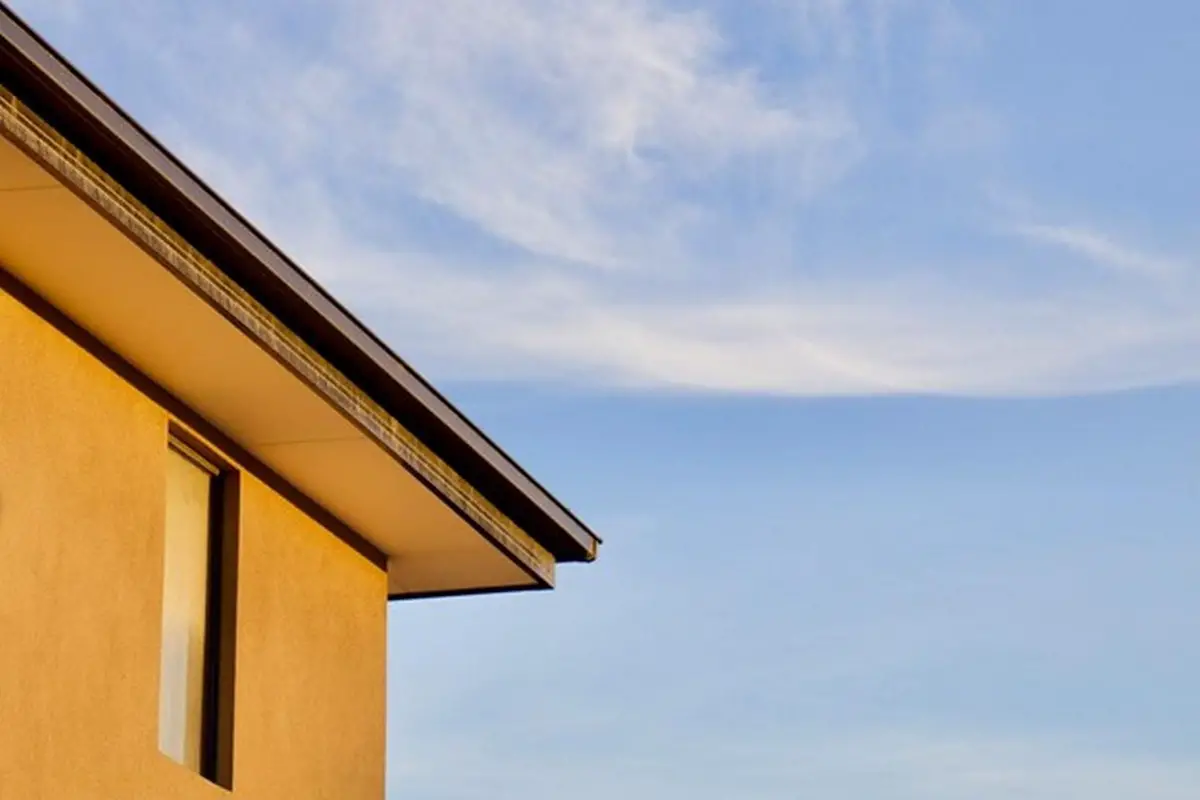
The importance of installing gutters in houses
What You Need to Know About Replacing Your Roof
++
Homes
Residential Architecture Articles
++
Comments / photos for the Why gutters, flashing and trims weather differently advice guide page welcome.