
Smart Renovation Tips to Make Your Home Weather-Resistant
22 November 2025
Weather resilience is no longer just a luxury; it’s a necessity for homeowners. As extreme weather events become more common, guaranteeing that your home can withstand heavy rains, strong winds, or snow is imperative.
Addressing your home’s structure and materials can significantly improve its ability to endure these challenges. Below are several strategies to bolster your home against the elements, making your living space safe and comfortable.
Fortify Your Roof Against the Elements
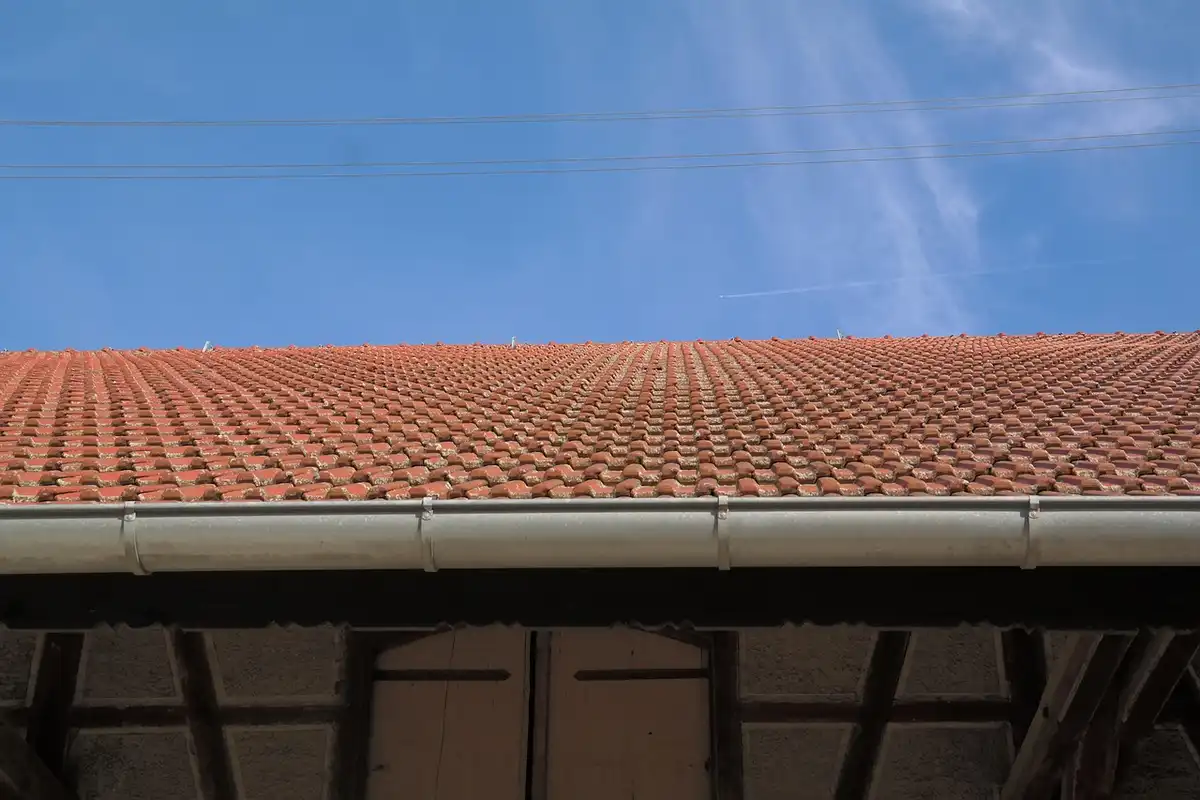
The roof is your home’s first line of defense against harsh weather. Selecting durable roofing materials is important.
Metal roofing, for example, offers high resistance to severe rain and winds. It can last up to 50 years with minimal maintenance. Installing adjustable roof vents for adequate air circulation.
Proper ventilation helps reduce heat buildup and increases the lifespan of your roofing materials. Whether you work with roofing contractors in Minnesota, Los Angeles, or other areas, guarantee they understand your local weather patterns. They can guide you on selecting materials that provide the best protection against local climate extremes.
Routine inspections can catch potential problems before they escalate. Make a habit of checking for loose shingles, rusted metal, or any signs of damage after severe storms.
Keep gutters and downspouts clear to prevent water accumulation, which can lead to leakage and structural damage.
Improve Your Windows and Doors
Windows and doors are significant weak points in many homes. Upgrading to impact-resistant windows can provide additional protection against wind and debris during storms.
These windows often feature double or triple panes and tougher frames, significantly improving energy efficiency as well. Weather stripping is another effective method to block drafts and water penetration.
This inexpensive upgrade helps lower energy bills and maintains a comfortable indoor climate. Installing storm doors can provide an extra layer of protection against inclement weather. These doors improve insulation and deter unwanted pests.
Pay close attention to the seals around your windows and doors. A well-sealed entrance keeps out harsh weather and facilitates a more energy-efficient home.
Invest in Quality Insulation
Insulation plays a role in maintaining a stable indoor temperature. Proper insulation helps regulate heat during winter and keeps interiors cool in the summer.
The most common types include fiberglass, foam, and cellulose. Depending on your home’s construction, some materials may offer better protection than others.
In addition to walls and attics, don’t overlook areas like basements and crawl spaces. Installing insulation in these zones prevents water buildup and the growth of mold, which can compromise air quality.
An energy audit by a professional can determine areas needing additional insulation. Investing in high-quality insulation pays off in energy savings and comfort.
Upgrade Your Landscaping for Drainage
Natural landscaping can play a significant role in protecting your home from water accumulation. Proper grading around your home directs water away from the foundation.
Plant trees and shrubs with deep root systems that help absorb excess rainwater. Incorporating rain gardens is another effective way to manage surplus water. These gardens capture runoff, allowing it to naturally absorb into the ground instead of pooling around your home.
The choice of plants can improve your home’s weather resistance. Indigenous plants often require less maintenance and can thrive through climate variations.
Installing permeable pavers for pathways and driveways further contributes to effective water management, reducing erosion and enabling better drainage.
Sustainable Materials
Using sustainable materials for home renovation not only benefits the environment but often results in more durable constructions. Bamboo flooring, recycled metal, and reclaimed wood are common eco-friendly choices.
These materials offer resilience against harsh weather and minimize your carbon footprint. Many sustainable products come with unique warranties due to their durability.
Choosing locally sourced materials can offer advantages, as they are often better suited to your local climate. Sustainable products may cost more upfront, but make sure to calculate their long-term savings in energy efficiency and maintenance.

Regular Maintenance and Check-Ups
No amount of renovation can substitute for regular upkeep. Establishing a yearly maintenance routine keeps your home in top shape. Schedule seasonal check-ups to inspect key areas like the roof, gutters, windows, and doors.
Look for signs of wear and tear, such as chipping paint or rust. Early detection can save you expenses in repairs.
Document your maintenance activities and address issues as they arise. Keeping a checklist can streamline the process and guarantee you don’t overlook important tasks.
Staying proactive helps your home remain weather-resistant and less prone to sudden damage during storms or extreme temperatures.
Being mindful of renovations and preventive measures can significantly improve your home’s durability against weather elements. Smart renovations create lasting comfort and peace of mind, guaranteeing your home remains a sanctuary amid nature’s unpredictability.
Comments on this guide to Smart weather-resistant home renovation tips article are welcome.
Homes
Residential Architecture Articles
++
American Architecture Designs
American Architectural Designs – selection:
National Medal of Honor Museum
Comments / photos for the Smart weather-resistant home renovation tips page welcome.


