How a Property Management Company Supports Architecture
12 January 2026
Most architectural projects are judged twice: once at handover, and again a year later—when the building is lived in, serviced, cleaned, adjusted, and inevitably modified. That second evaluation is where great design can either hold its shape or slowly blur.
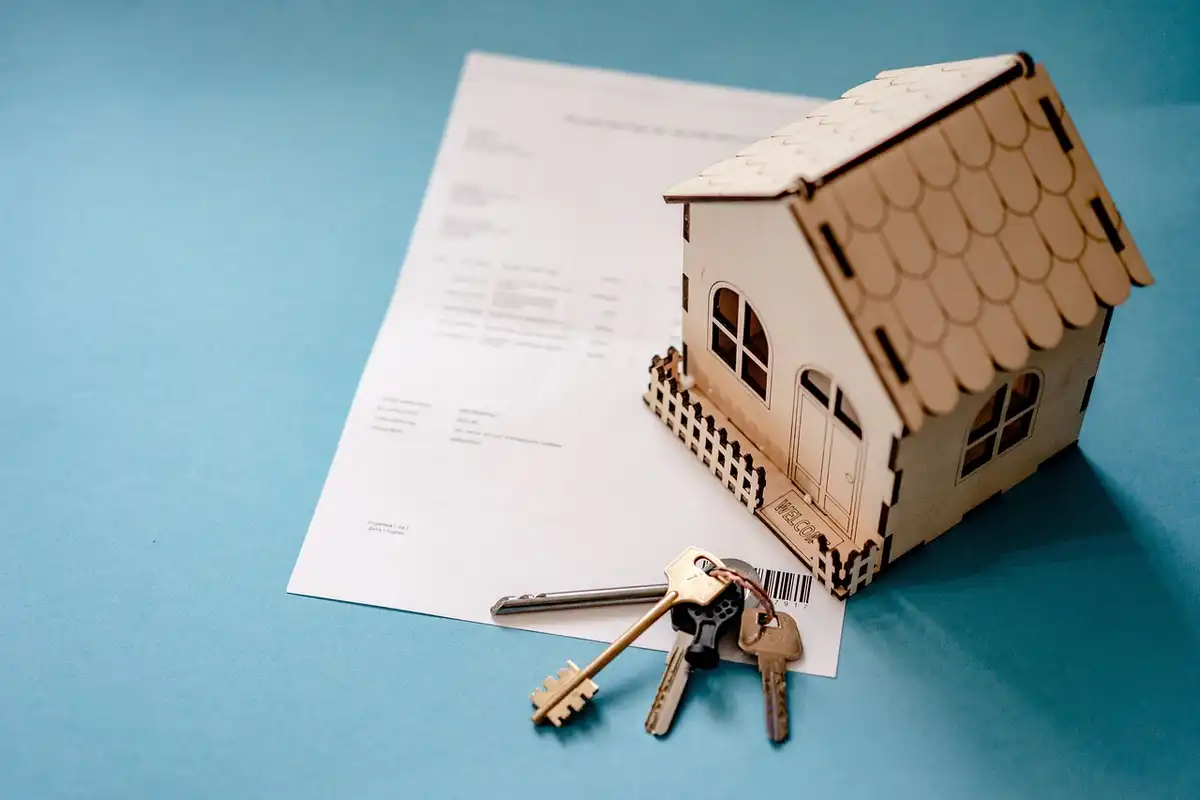
A property management company sits in that gap between concept and long-term reality. They translate the design into routines: how systems are run, how materials are maintained, how issues are triaged, how changes are approved, and how occupant feedback is captured. Some clients rely on in-house teams; others bring in market specialists such as First Class Holiday Homes when they need consistent operational support in a specific location.
Here’s what property management actually contributes to architectural outcomes—without the fluff.
The practical ways property management protects design intent
1) A cleaner handover that doesn’t lose information
Handover is where knowledge often gets scattered: warranties in one folder, commissioning notes in another, supplier contacts in someone’s inbox. A good manager consolidates the essentials into something operators can use:
- Asset register (what’s installed, where, and service intervals)
- Warranties + “what voids it”
- As-built references and key manuals
- Vendor contacts for specialist components
If this foundation is weak, teams end up troubleshooting by trial-and-error.
2) A smoother transition into real use
Buildings rarely run exactly as intended on day one. Setpoints drift, controls get overridden, and occupancy patterns don’t match assumptions. “Soft landings” is one approach that focuses on making the transition from construction to occupation more “bump-free,” with a focus on operational performance in use.
In plain terms, property management can support this by keeping a short list of what to tune and re-check after people move in: comfort complaints, control settings, seasonal performance, and recurring faults.
3) Maintenance that matches the building’s logic
A complex façade, bespoke interior palette, or high-performance MEP strategy often relies on components working together. Property management supports that by shifting maintenance from “reactive fixes” to planned routines:
- Preventive servicing schedules (not just emergency callouts)
- Inspection cadence for sensitive elements (seals, moisture points, specialty finishes)
- Documentation standards (photos, service reports, close-out notes)
This is where the building stays “quiet” over time.
Property management as a feedback loop for architects
Post-occupancy evaluation (POE) is essentially structured feedback on how a building performs once it’s occupied. You don’t need a heavy research project to get value from it. Even a lightweight POE rhythm can improve outcomes:
- Short occupant surveys (comfort, acoustics, wayfinding, usability)
- Seasonal walk-throughs with a repeatable checklist
- A “top recurring issues” log (what keeps breaking, where, and why)
Property managers are well placed to capture that information because they see patterns across time—especially the issues that don’t make it into formal complaints but still affect how the building feels.
Change control: keeping upgrades from eroding the concept
Nearly every building gets altered after completion: signage, partitions, lighting swaps, furniture plans, tenant fit-outs. The difference is whether those changes are guided or accidental.
A good property manager maintains simple change control so the building stays coherent:
- Document what changed and why (before/after)
- Confirm compatibility (finishes, loads, warranties, controls)
- Route sensitive decisions back to the right people (consultant, specialist vendor)
A quick way to test this: ask how they handle “small” changes that can have big ripple effects—like swapping lighting drivers, repainting a feature wall, or replacing a façade sealant.
What to include in the management agreement for design-sensitive buildings
Keep it short, operational, and specific:
- Inspection routine: what’s checked, how often, and what’s documented
- Materials care: approved methods/products for key finishes
- Authority limits: repair approval thresholds and emergency authority
- Vendor standards: when specialists are required (and how quality is verified)
- Reporting: what the owner gets monthly (issues, actions, risks, next steps)
- Change control: process for alterations and tenant works
If these points are vague, management becomes reactive—and design quality tends to drift.
Dubai requirements in plain terms
Dubai adds an extra layer of process depending on how the property is used.
For short-term “holiday home” operation, Dubai’s Department of Economy and Tourism states that apartments and villas must be registered and approved before listing, via the Holiday Homes permit process. For long-term tenancies, Dubai Land Department provides services to register or renew tenancy contracts through Ejari.
So if you’re evaluating dubai property management services for an architecturally distinctive property, keep questions practical:
- Which registrations/permits do you handle for my use case, and what’s the timeline?
- How do you maintain HVAC performance and filtration routines in peak season?
- What’s your inspection cadence for sensitive finishes and key systems?
- What’s your change-control process for tenant works and upgrades?
The practical conclusion
Property management supports architectural projects when it treats operations as an extension of the design—not a generic afterthought. Done well, it protects the building’s intent through clean handover documentation, planned maintenance, disciplined change control, and post-occupancy feedback that helps the building perform (and feel) the way it was meant to.
Comments on this guide to How a Property Management Company Supports Architectural Projects article are welcome.
Property Management

image courtesy of article provider
Property Management Posts
Hiring a rental property management company
Partner with a Property Management Company
Hiring a property management company guide
++
Building Articles
Comments / photos for the How a Property Management Company Supports Architectural Projects page welcome.