
5 Incredible Benefits of NDIS Home Modifications That You Can’t Ignore
13 January 2026
Most people think of home as a place of comfort. It’s familiar, predictable, and safe. But after an accident, illness, or the onset of a disability, that same space can start to feel difficult to manage.
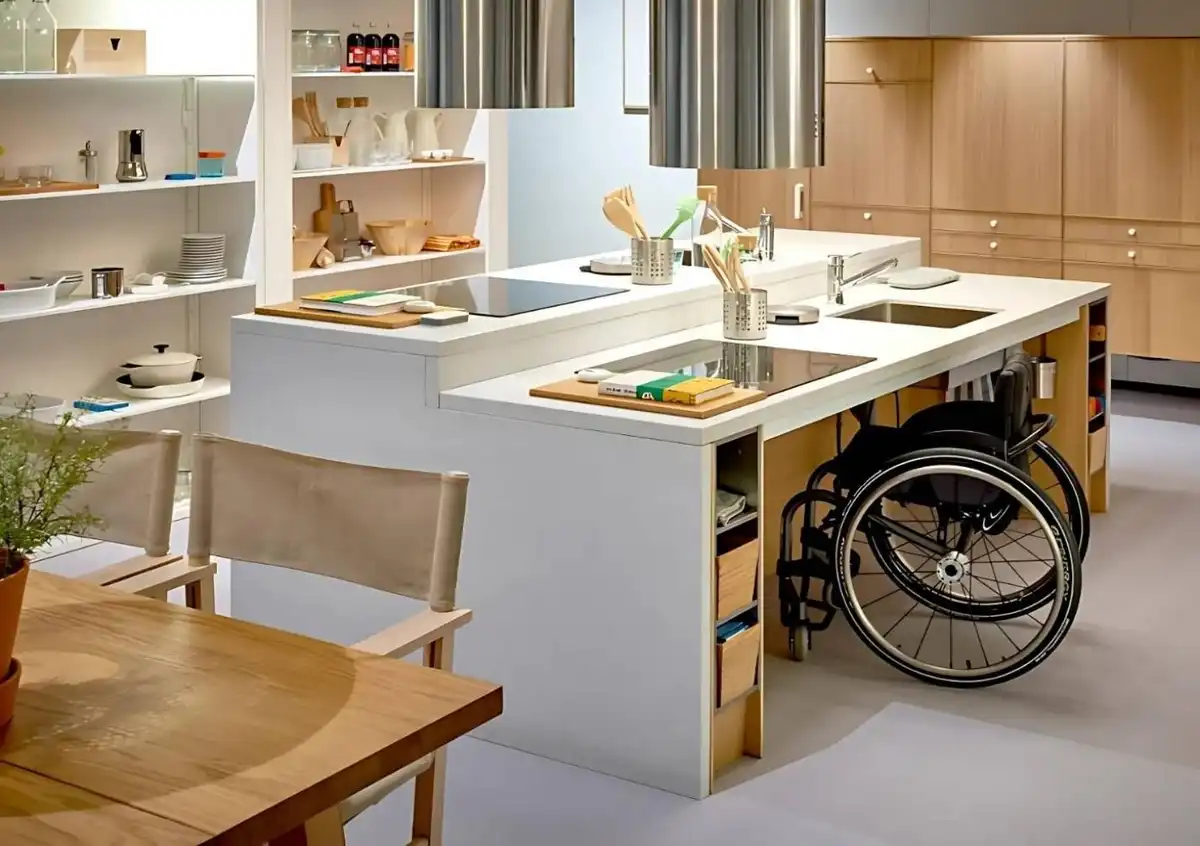
Simple things change. Doorways feel narrower. Bathrooms feel unsafe. Moving from one room to another takes more effort than it should. For many people, the house stays the same, but their ability to use it does not.
NDIS-funded home modification services exist to address this problem. With the help of a qualified NDIS Builder, homes can be adjusted to better support daily living, safety, and independence.
This article mentions what NDIS home modifications are and highlights five key benefits that show why they are worth considering.
- What Are NDIS Home Modifications?
NDIS home modifications are physical changes made to a home so a person with disability can access and use their living space more easily. These changes focus on improving mobility, safety, and independence.
Some modifications are minor. These include installing grab rails, adding ramps, or replacing traditional door handles with lever-style handles. While small, these changes have an immediate impact on daily comfort.
Other modifications are more complex. Examples include widening doorways, redesigning bathrooms or kitchens, or installing lifts. These changes are carefully assessed and planned to match the individual’s needs.
All modifications funded under the NDIS are evaluated based on necessity, safety, effectiveness, and value for money. A professional NDIS Builder works alongside occupational therapists to ensure the modifications meet guidelines and support long-term use.
- The Five Key Benefits of NDIS Home Modifications
- Easier Movement and Greater Independence
The main benefit of home modifications is improved mobility. Structural changes such as wider doorways, step-free access, and smooth flooring make it easier to move around the home.
Daily tasks can be easily managed when the space is designed according to the person’s needs. Modification as per the requirement make it easy for people to move independently between rooms, use essential areas without assistance, and feel more in control of their routines.
Independence grows gradually. Even small improvements can reduce reliance on others and make everyday life feel more manageable.
- Improved Safety and Lower Risk of Injury
Falls and accidents commonly occur in bathrooms, kitchens, and entryways. Slippery surfaces, poor layout, and awkward steps increase risk.
Home modifications such as non-slip flooring, grab bars, step-free showers, and safer kitchen layouts reduce these hazards. Fixtures that are easier to reach also reduce strain and fatigue.
Well-planned modifications can also reduce the need for repeated NDIS Home Repairs, as the home is set up properly from the beginning rather than relying on temporary fixes.
- Better Mental Well-being and Confidence
Living in a space that does not support your needs can be frustrating and emotionally draining. Constantly needing help for simple tasks can affect confidence and self-esteem.
When a home is adapted to suit a person’s abilities, it creates a sense of dignity and comfort. People feel more confident when they can manage tasks on their own, even if only partially.
This improved sense of control can reduce stress and contribute to better mental well-being over time.
- Reduced Pressure on Caregivers
Home modifications do not only benefit the individual. They also support caregivers and family members.
When a home is accessible, people may require less direct assistance for tasks like bathing, moving around, or preparing meals. This reduces physical and emotional strain on caregivers.
It can also reduce the number of care hours needed, allowing the individual and their carers more privacy and flexibility in daily life.
- Long-Term Cost Benefits
There is more upfront cost involved with home modifications, but better for long-term savings. Modifications lead to better structuring and safer home, ultimately reduces accidents and hospital visits. Reduced reliance on carers can lower ongoing support expenses.
Working with an experienced NDIS Builder also helps ensure quality work, reducing the likelihood of frequent maintenance or unplanned NDIS Home Repairs.
In many cases, staying in a modified home is more affordable and emotionally comforting than moving into residential care.
- Examples of Common NDIS Home Modifications
Some commonly approved NDIS home modifications include:
- Installing grab rails and handrails
- Widening doorways and hallways
- Adding ramps in place of stairs
- Modifying bathrooms with step-free showers and accessible toilets
- Adjusting kitchen layouts, including lower benches and accessible storage
- Installing safety alarms or smart features for emergency response
Each modification is selected based on individual needs and daily use.
- Who Should Consider Home Modifications?
NDIS home modifications may be suitable for people who:
- Have mobility limitations or physical disabilities
- Find daily tasks such as bathing or cooking difficult
- Want to live more independently
- Prefer to stay in their current home long-term
- Have suitable ownership or rental arrangements for modifications
Early planning can help prevent future risks and improve quality of life sooner.
- Planning Before You Begin
Before starting, it is important to understand whether the modification is minor or complex. Minor changes are quicker and simpler. Complex modifications require assessments and approvals.
Working with occupational therapists and a qualified NDIS Builder ensures all work meets safety standards and building regulations. Long-term planning is also important, for renters, where reversible options may be preferred. Modifications should support current needs and future lifestyle goals.

- Conclusion
NDIS home modifications are about more than changing a house. They are about creating a safe, supportive environment that allows people to live with greater independence and dignity.
If your home feels difficult to use, it may be time to consider whether modifications could make a meaningful difference. Consulting professionals and exploring available options is a positive first step in the process.
Comments on this guide to 5 Incredible Benefits of NDIS Home Modifications That You Can’t Ignore article are welcome.
Buildings
Wisdom of Choosing Aluminium Windows
Use of Aluminium in Architecture
Natural slate rainscreen cladding system
Building Articles
Comments / photos for the 5 Incredible Benefits of NDIS Home Modifications That You Can’t Ignore page welcome.

