
Innovations Driving Sustainable Building and Architecture Forward
post updated 18 October 2026
18 October 2025
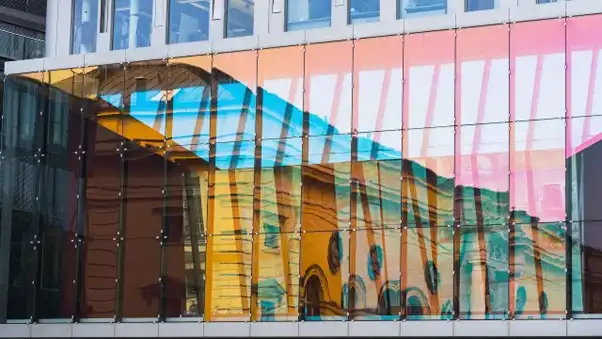
The quest for sustainability within the construction and architecture sectors has taken on heightened urgency over recent years. With environmental challenges such as climate change, resource depletion, and habitat destruction threatening our planet, a shift towards sustainable building practices is no longer a choice. It is a necessity. Innovations in materials, technologies, and practices are paving the way for eco-friendly construction, which minimizes environmental impact and enhances the quality of living spaces.
Emergence of Green Building Materials
Green building materials play a critical role in the sustainable architecture movement. These materials, derived from sustainable sources, offer functionality without compromising on environmental integrity. Recycled steel and reclaimed wood are increasingly favored for their aesthetic appeal and for their reduced carbon footprint. By integrating materials that are either sustainably sourced or recycled, architects and builders can significantly decrease the embodied energy in their projects.
One such innovation is the emergence of suppliers for sustainable timber, which provide wood that is certified by various eco-labeling systems, ensuring it has been harvested in an environmentally responsible manner. As explained by experts from Olam Agri, this supports reforestation efforts and assists in preserving biodiversity. With stringent regulations and verification processes becoming standard in the industry, trust in sustainable timber products is growing, positioning them favorably in the market.
Smart Building Technologies
Technological advancements in building management systems have redefined how buildings are constructed and managed. Smart technologies leverage data analytics and machine learning to optimize energy use, reduce waste, and streamline operational efficiency. Automated controls for lighting and heating, when integrated into building designs, can reduce energy consumption by up to 30%, thereby lowering operational costs significantly.
The Internet of Things (IoT) facilitates real-time monitoring of energy consumption, allowing owners and managers to make informed decisions that enhance building performance. Smart meters can track energy usage patterns, aiding in the identification of inefficiencies and guiding necessary interventions. This systemic shift towards smart buildings marks a transformative step in sustainable architecture, where innovation meets functional design.
Eco-Friendly Construction Techniques
Adopting eco-friendly construction techniques is crucial in the pursuit of sustainability. Techniques such as modular construction and prefabrication reduce waste and minimize the energy used in building projects. These methods allow construction to occur off-site in a controlled environment, leading to greater efficiency and fewer resource wastages. Materials are cut to precision, which reduces leftover scraps and further enhances resource optimization.
Techniques like earth-sheltered construction and green roofs contribute to energy efficiency. Earth-sheltered structures utilize the earth’s natural insulation to maintain comfortable temperatures, while green roofs help manage stormwater runoff, improve air quality, and promote biodiversity. These methods exemplify how the architectural landscape is developing to harmonize with environmental contexts.
Passive Design Principles
Incorporating passive design principles into architecture can dramatically reduce a building’s ecological impact. These principles involve designing buildings to harness natural climate and site conditions, thus minimizing the reliance on mechanical heating, cooling, and lighting systems. Orienting windows to capture seasonal sunlight, using thermal mass to retain heat, and strategically placing overhangs to block excessive sun are all techniques that contribute to passive design.
Buildings designed with large, south-facing windows can maximize solar gain during winter while reducing heat during the summer months. Natural ventilation through thoughtfully positioned openings can improve indoor air quality and reduce humidity without mechanical assistance. Emphasizing passive solar design represents a strategic approach to creating energy-efficient, comfortable living spaces.

Water Conservation Strategies
Water scarcity is another pressing issue that architects and builders must address within sustainable design. Implementing water conservation strategies can significantly decrease water usage in buildings. Innovative designs such as rainwater harvesting systems, greywater recycling, and drought-resistant landscaping contribute to the responsible management of this precious resource.
Rainwater harvesting systems capture runoff during rain events, which can then be used for irrigation or even indoor uses after proper treatment. Similarly, greywater systems recycle wastewater from sinks and showers for non-potable applications. These proactive measures mitigate water scarcity challenges and foster a culture of sustainability among occupants and broader communities.
Community and Stakeholder Engagement
Engaging with communities and stakeholders is pivotal in fostering sustainable building initiatives. Understanding the local context, including cultural, environmental, and social dimensions, allows architects and builders to create spaces that resonate with the community’s identity while promoting sustainability.
By involving local suppliers, artisans, and residents early in the planning process, sustainability takes on a collaborative form, ensuring that the outcomes benefit everyone involved. One of the foremost benefits of community engagement is the enhancement of public support for sustainable initiatives. When community members see themselves reflected in projects, they are more likely to advocate for and invest in ongoing sustainable practices.
A shift in policy and regulation can further support the growth of sustainable practices within the industry. By providing incentives for sustainable materials and techniques, governments can encourage wider adoption and innovation in the sector. As sustainability takes center stage, the architecture and construction industries have the potential to lead by example, creating spaces that are functional and harmonious with the environment.
Comments on this guide to Innovations driving sustainable building and architecture article are welcome.
ustainable Building Design
ustainable Buildings Articles
Sustainable residential architecture in Abu Dhabi
++
Property Design
Contemporary Property Designs – recent architectural selection:
Comments / photos for the Innovations driving sustainable building and architecture forward page welcome.


