How Welding Supports Modern Architecture and Construction
17 August 2026

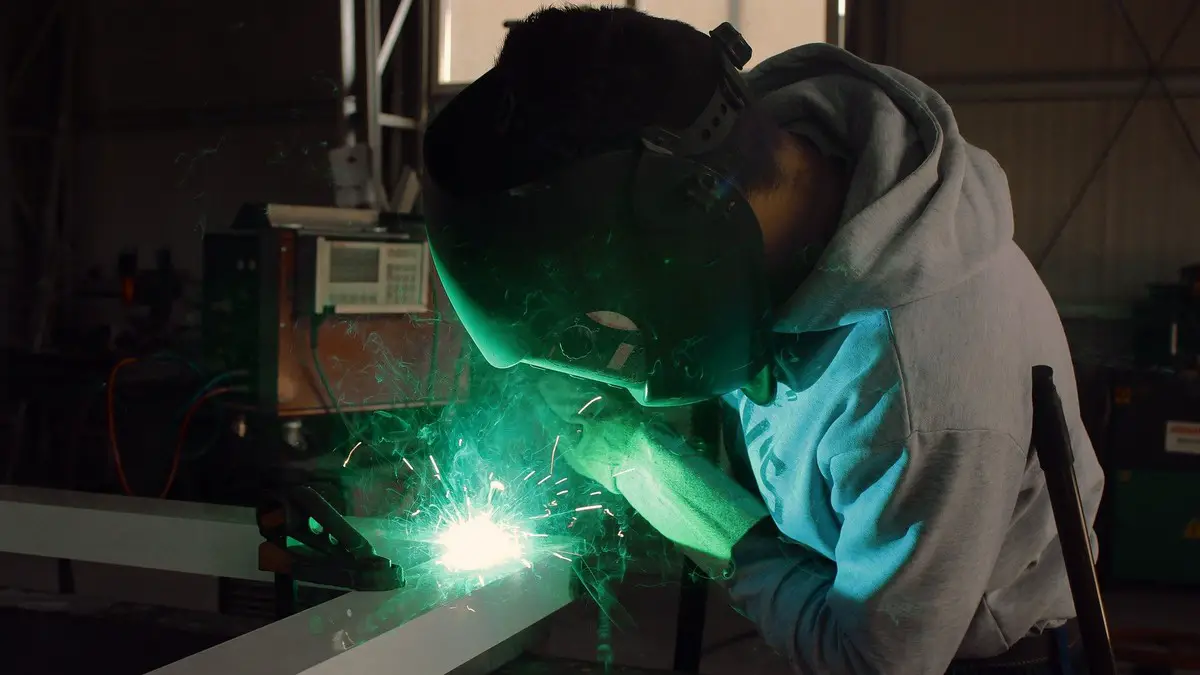
Photo by Jafar Gidado on Pexels
Have you ever seen a high-rise building, a new stadium, or a beautiful bridge and wondered how it all stays together? Many times, the answer is welding. Welding plays a very important role when it comes to creating buildings, bridges, and other structures.
However, modern construction also means that buildings have to be strong, precise, long-lasting, and able to support very complicated forms. Welding is a great way of connecting the metal pieces, enabling engineers and manufacturers to create different complex constructions. This article investigates the role of welding in modern construction and architecture.
The Foundation of Modern Construction
Steel is among the most pivotal construction materials in use today. The fact that it possesses a high strength-to-weight ratio means that it is widely used in the construction of various high-rise buildings, factories, and bridges.
Nonetheless, the selected steel beams, columns, plates, and other components must be joined together to allow for the correct functioning of the structure. That’s where welding comes into play.
Welding creates permanent joints between metal components, allowing structural elements to work together as a unified system. Successful welds can take up tons of load, thus helping the structures withstand movement, vibrations, weather, and regular exploitation.
Because construction is a multifaceted process requiring the use of various materials and welding techniques, versatility must be appreciated. People entering the profession can benefit from combination welding training, which allows them to master multiple welding techniques in different environments.
Supporting Innovative Architectural Designs
Today’s architecture uses more than just plain rectangular-shaped buildings. Architects now create buildings that have curvy facades, dramatic cantilevers, visible steel structures, sweeping roofs, and unique geometric designs that require the use of advanced techniques in construction.
Welding is one way of making some of these designs possible. Fabricators can use welding to create custom steel structures that follow complex designs and at the same time show strength.
The use of welded connections also helps create a cleaner look than some types of mechanical fastening. It can be advantageous when showing structural steel as part of the design of the building. These features enable architects to create designs that would have been more difficult with just conventional techniques.
Applications of Welding in Building Construction
Welding is employed in nearly every sector of structural building and fabrication. Its possibilities span from primary load-bearing parts to smaller architectural accents.
Structural Steel Fabrication
Beams, columns, trusses, plates, and frames are sometimes welded during construction. Many parts are produced in fabrication workshops under certain conditions prior to their arrival at construction sites.
That helps to increase the stability of all constructions and improve the efficiency of welding operations. This is because work is performed based on the submitted engineering documentation.
Bridges and Infrastructure
Bridges rely on resilient connections able to withstand traffic, vibrations, fluctuating loads, and environmental conditions. Bridge sections and structures are usually made by welding the parts together.
The importance of such welding cannot be underestimated as malfunctions in infrastructure may result in severe repercussions. Therefore, any bridge construction includes thorough planning, inspections, and quality control.
Commercial and Industrial Structures
Most large-scale construction projects such as factories, warehouses, and distribution centers use welded steel frameworks. Welding helps to build strong structures that can carry heavy loads, including floors and ceilings.
Architectural Metalwork
Welding does not only involve the elements of buildings hidden in walls. It also includes the construction of visible components, such as railings and balconies.
In these cases, both the strength and visual appeal are important considerations. It is important for welders to create visually appealing welded joints.
Accuracy Is Essential
Just because a weld looks solid doesn’t mean it is good. Welding in construction needs precision because any small issues with heat control, alignment, penetration, or joint preparation can lead to problems in the finished work.
Welders should be familiar with different metals and understand how welding parameters are likely to affect creation. Quality control procedures include different visual checks and non-destructive testing techniques.
Safety Is Part of the Skill
Welding is a difficult task that requires multiple competencies. On one side, welding requires working under extreme heat, sparks, fumes, electricity, and some special instruments like welders.
On the other hand, the work increases your likelihood to encounter a range of hazards. You may need to work with cranes, heavy machines, and in limited spaces together with other specialists. Thus, it is crucial for every welder to receive training in safety measures and comply with safety regulations that include proper equipment and ventilation, fire prevention, safe handling of equipment, and safe working standards
Constructing the Future, One Weld at a Time
The role of welding in construction work may not always be highly noticeable, but it is always there. Its role ranges from the creation of the steel frame of a skyscraper to bridge frameworks, or the railings on modern buildings.
All buildings of today are created thanks to welders who are able to connect all the different parts together to form strong and functional structures. As the world of architecture and construction develops, the industry needs experts with technical know-how, practical experience, and strong knowledge of the new welding technologies.
Comments on this guide to How welding supports modern architecture and construction article are welcome.
Welding
Welding Machines and Welders
Why is safety important in welding
How to choose a welding machine
MIG Welding tips for home builders
How to choose right shop lighting for workshop
++=
Residential Property Articles
Comments / photos for the How welding supports modern architecture and construction advice page welcome