How Modern Storage Optimizes Building Space
19 August 2026
Building space remains a valuable asset for commercial property managers and residential owners. Smart spatial planning permits properties to function smoothly without feeling cramped or cluttered.
Offsite facilities provide flexible solutions that help clear up main floor plans. Rethinking how items are stored changes how physical structures are utilized on a daily basis.

Maximizing Vertical Square Footage
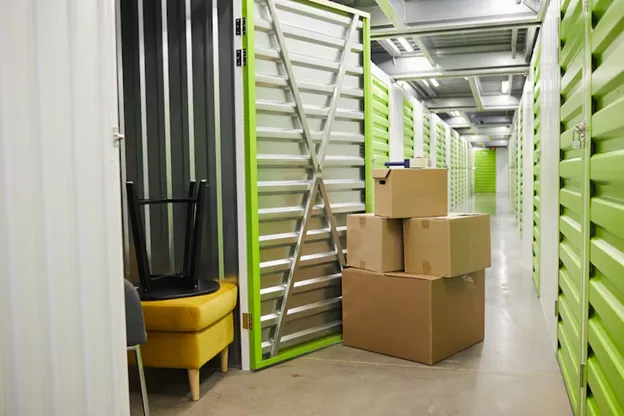
Real estate developers search for ways to maximize usable interior space across commercial and residential structures. Finding dependable storage units in Burpengary or your area allows property managers to offload oversized items without clogging up main floor plans. Clearing out excess clutter creates a cleaner environment for tenants and visitors alike.
High ceilings and open architectural layouts offer great visual appeal in residential homes. Stacking items improperly inside rooms ruins those clean lines and creates safety hazards. Utilizing overhead space or offsite units keeps main walking paths open and safe.
Offsite options keep bulky tools, equipment, and seasonal furniture out of sight. Property owners preserve functional floor space while maintaining easy access to needed gear. Smart organization turns unused vertical areas into effective utility space.
Adapting to Urban Density and Vertical Construction
Urban centers face strict spatial limits that push builders to think upward rather than outward. The shift from traditional single-story facilities to sophisticated vertical structures represents a strategic response to urban space limitations and growing demand.
Multi-story facilities make efficient use of narrow city lots. Modern designs allow operators to offer extensive capacity without taking up massive surface acreage. Cities benefit from higher density without losing needed utility features.
New construction in the sector is adjusting to changing economic conditions across major cities. Analysis by Oakside Co indicates that new supply is expected to drop to just 2.4% of total inventory, which strengthens demand for existing facilities. Reduced new construction means existing structures must optimize every square foot.
Shifting Consumer Demand Toward Lifestyle Storage
People no longer use external space solely during immediate relocations or home sales. Demand has shifted toward lifestyle storage rather than temporary moving needs.
Homeowners choose to keep seasonal items, recreational gear, and hobby supplies organized outside their living rooms. This trend helps keep apartments and houses feeling spacious and tidy. Decluttering living areas improves daily comfort for residents.
Life transitions remain continuous driving factors for storage adoption across different demographics. An industry report by Prestige Storage notes that demand remains consistent as people continue to move, downsize, renovate, relocate for work, and manage life transitions. Having offsite access simplifies these major life events.
Managing Small Footprints with Compact Units
Small footprints are increasingly common in modern apartments and commercial offices. According to market research from Fortune Business Insights, small storage units account for approximately 41% of the global self-storage market and remain highly popular among urban consumers and students requiring limited storage capacity.
Compact units help individuals manage smaller living spaces without sacrificing personal items. Renting smaller spaces offers practical benefits for urban residents:
- Reduced clutter in primary living areas
- Cost-effective rental pricing for minimal space needs
- Flexible agreements for short or long stays
- Simplified organization for personal belongings
Using smaller spaces allows renters to pay for the exact square footage needed. This targeted approach prevents wasted expenditure while keeping home layouts functional. Compact units provide maximum utility in minimal space.
Prioritizing Climate Control for Sensitive Inventory
Protecting valuable possessions requires controlled environmental conditions year-round. A report by Coherent Market Insights projects that the climate-controlled units segment will contribute the largest share of 58% in 2026, driven by rising consumer awareness about protecting valuable and sensitive items.
Items like wooden furniture, electronics, artwork, and paper records require stable temperature levels. Storing these items in standard garages or damp basements leads to mold or heat damage. Proper environmental controls protect long-term monetary and sentimental value.
Climate-controlled facilities maintain steady humidity and temperature ranges regardless of outside weather. Secure offsite preservation keeps sensitive materials intact over long timeframes. Property owners gain peace of mind knowing items remain safe.

Enhancing Layouts with Modern Facility Design
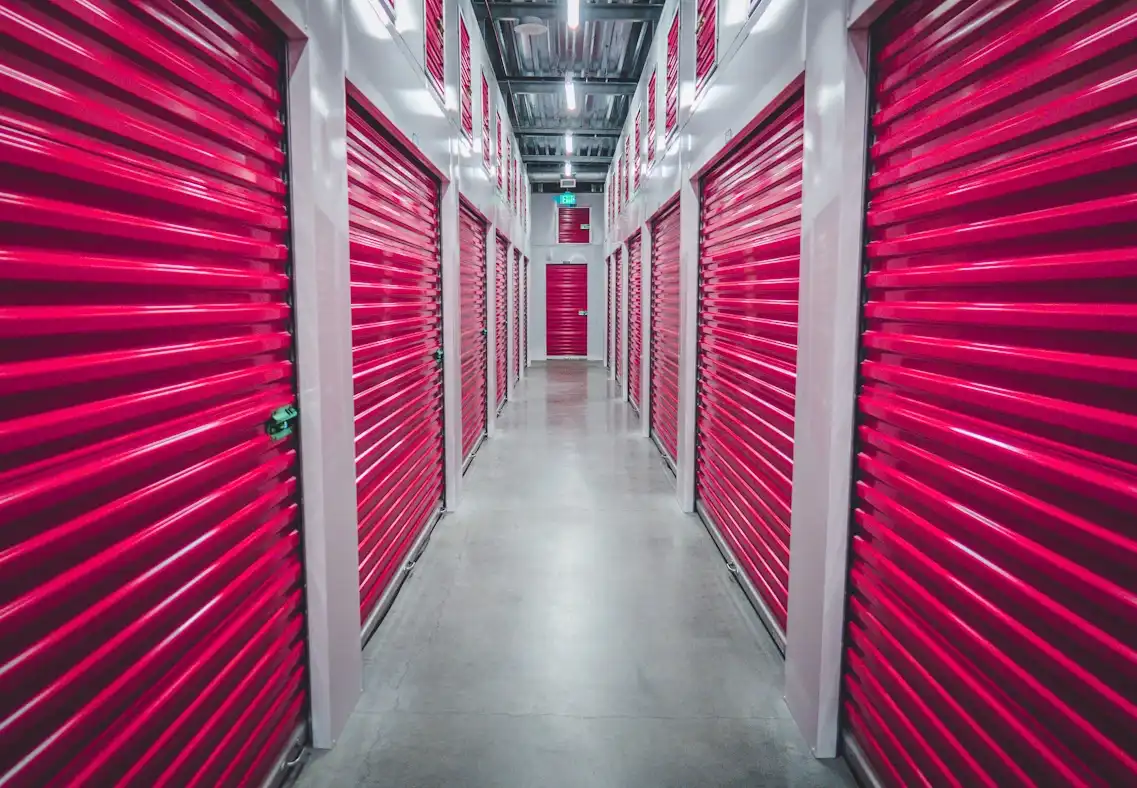
Facility architecture has evolved to match user expectations for clean and navigable environments. Industry coverage from Inside Self Storage points out that today’s facility designs prioritize intuitive wayfinding and user-friendly spaces.
Modern layouts incorporate clear signage, bright lighting, and wide corridors. These design choices directly improve the customer experience:
- Easy navigation through well-lit hallways
- Simple access points for loading and unloading trucks
- Broad doors designed for moving large furniture
- Secure entry controls at main gates and elevators
Streamlined designs lower stress for customers moving heavy equipment or household items. Thoughtful floor planning inside the facility makes storing items quick and efficient. Clean design encourages regular maintenance and organized habits.
Meeting High Consumer Adoption Rates
Self storage usage has become a standard part of managing household items. Market data published by Storage Cafe demonstrates that 33% of Americans use self storage currently, with a further 18% intending to rent some in the future.
High participation rates highlight how integral secondary storage has become to modern living. Households rely on external units to maintain balance in smaller residential layouts. Extra capacity lets families enjoy their primary homes without feeling crowded.
Commercial businesses share a similar reliance on external space for inventory management. Outsourcing non-essential items lets businesses focus primary floor space on daily operations. Offsite units serve as flexible overflow warehouses for growing businesses.
Optimizing physical structure space requires smart choices about where items belong. Offsite facilities give properties room to breathe while keeping belongings safe and accessible.
Adopting modern storage strategies leads to cleaner living rooms and efficient workspaces. Clearer spaces lead to better daily productivity, comfort, and peace of mind.

Comments on this guide to How modern storage optimizes building space article are welcome.
Storage
Storage Posts
Self-storage facility smart surveillance ROI
Find Cheap Self Storage Services in East London
Rent a Storage Unit for your Business
++
Buildings
New Architecture Design
Comments / photos for the How to choose the right storage solution for your needs page welcome.