Self-Storage Facility Layouts: Pairing Smart Surveillance With High-ROI Design Choices
post updated 20 July 2026
20 July 2025
Over the past decade, the self-storage industry has blossomed in almost every corner of the United States. Suburban homes keep filling their garages, city apartments keep shrinking, and people everywhere search for an affordable “extra room” they can lock up and forget about until the seasons change. Operators, however, face a double mandate: every square foot must earn its keep, and every customer’s belongings must remain safe. Ignore either goal and negative reviews, costly insurance claims, or viral security videos quickly follow.
Design is no longer about squeezing more metal doors onto a parcel of land. A purposeful floor plan can reduce blind spots, guide traffic flow, and trim operating expenses before the first renter arrives. When those physical choices pair with modern surveillance tools, the result is a one-two punch that deters crime and reassures customers. The following sections break down the essential moves: how to lay out corridors like watchful hallways, where to steer cameras for the widest coverage, and which amenities generate the highest long-term return on investment (ROI).
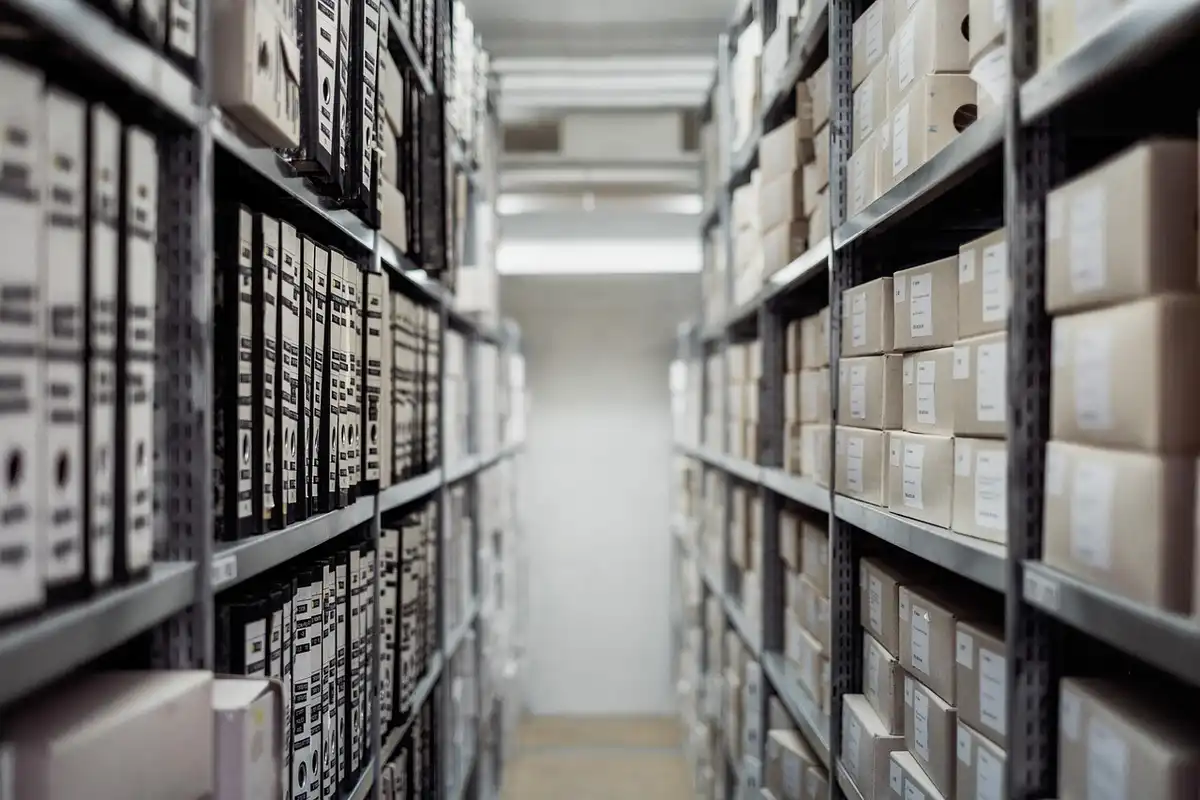
Foundation of Modern Self-Storage Design
Step into a successful facility built in the last five years and the difference from aging rows of corrugated rectangles is immediate. Wide central aisles feel almost boulevard-like, rooflines slope with architectural intention, and exterior colors echo neighboring retail centers rather than clashing with them. These touches are more than cosmetic; they form the first layer of security. A clean, well-lit façade tells would-be thieves there are easier targets elsewhere.
Under the surface, each building’s geometry complements digital oversight. Straight, unbroken corridors allow camera lenses to stretch their gaze the entire length of a wing. Fewer nooks and turns mean fewer hiding places for trespassers and fewer motion events to sift through after hours. Imagine a chessboard: if pieces travel in neat, predictable lines, the security system can anticipate trouble and respond decisively.
Site planners also carve out intentional buffer zones. A ring road around the perimeter gives delivery trucks room to maneuver without clogging tenant lanes, while landscaped setbacks keep shadowy fence lines away from valuables. Early adopters report that AI-driven design cost savings can shave weeks off pre-construction schedules while tightening material budgets. Those plantings are not merely ornamental; the rustle of low shrubs under a night breeze can trip acoustic sensors, adding an invisible tripwire to the defense plan.
Sightlines and Surveillance: Why Layout Shapes Behavior
Stand at the main entrance of a well-designed facility and everything feels visible—and everything appears to watch back. That psychological nudge, called “natural surveillance,” is a proven crime deterrent because people instinctively modify behavior when observation seems likely.
Indoors, generous corridors let two dollies pass without scraping walls and give cameras clear, unobstructed footage. Mounting heights matter, too. A lens fixed around eight feet from the floor captures faces and license plates better than one perched just below the ceiling. Mirrored corner panels—still the cheapest way to stretch a line of sight—help create an environment where mischief has nowhere to lurk.
Pairing wide sightlines with edge analytics in surveillance reduces bandwidth needs and flags loitering before it escalates. Some operators even deploy autonomous security robots in storage aisles to maintain conspicuous patrols without hiring extra guards, further reinforcing the sense that every inch of the property stays under watchful eyes.
The Domino Effect of Small Design Tweaks
- Position elevator lobbies in direct view of the leasing office.
- Install mesh mezzanine rails so cameras on the first floor can peer upward.
- Choose semi-transparent door materials on climate-controlled corridors to let ambient light spill deeper into the structure.
Individually, each tweak might shave only a few seconds off a guard’s patrol or save a few kilowatts of lighting power. Together, they compound into a measurable drop in incidents—proof that thoughtful design often beats expensive retrofits.
Integrating Technology: From Cameras to Cloud
Walls, walkways, and lighting set the stage; motion sensors, speakers, and analytic software act as supporting performers. Their success rests on seamless interaction with the layout.
The hub of many systems is intelligent monitoring software trained to recognize everyday patterns. When a tenant swipes in after hours, the platform cross-references unit numbers, access codes, and time stamps. By layering smarter CCTV camera analytics into the facility’s cloud console, managers can surface anomalies in near-real time without adding more monitors to the control room. Should someone linger in a dead-end corridor or prop open a fire door, alerts cascade from the control center to on-site staff and, if warranted, local authorities.
Walk-throughs of modern facilities reveal managers pulling up heat maps of foot traffic that resemble vivid fingerprints. Red clusters identify spots that attract attention—elevators, vending machines, or rows of oversized units—while cooler blues reveal underused nooks ready for redesign or extra oversight. Facilities that refresh policies to match evolving AI security playbooks avoid gaps between new threats and outdated response protocols.
At the heart of these solutions lies smart business AI video surveillance, technology that blends analytical muscle with commercial savvy, safeguarding customer property while maximizing operational uptime.
High-ROI Space Planning: Mixing Unit Sizes and Amenities
A storage unit is no longer a simple steel box; it works as a micro-product line. Ten-by-tens remain the bread and butter, but a strategic mix of five-by-fives and ten-by-thirties widens the net of potential customers. Diverse offerings lift occupancy rates and, therefore, revenue per square foot.
Dedicate a ground-floor wing to premium climate-controlled units. Extra insulation and HVAC costs can be offset through higher monthly fees and lower tenant churn. Upper floors—served by oversized freight elevators—house budget-friendly spaces that appeal to price-sensitive renters willing to ride up a level.
Fast-Acting ROI Ideas:
- Add electronic locks inside units to enable “rent online, move in now” transactions without staff intervention.
- Paint loading bays with reflective stripes to guide drivers at night and reduce accidental wall scrapes.
- Offer rentable shelving systems that snap together quickly, turning bare space into organized closets for small-business customers.
Each amenity dovetails with surveillance objectives. Smart locks feed access data into the security console; reflective paint amplifies lighting to sharpen camera footage; shelving encourages neat loading, reducing fire hazards and improving visibility inside partially open units.
Human Factors: Lighting, Signage, and Comfort
Even the best camera array cannot compensate for poor lighting. Modern LED fixtures, spaced at consistent intervals and paired with motion sensors, bathe corridors in a clean white glow that rivals daylight. The payoff is twofold: tenants feel safer, and cameras capture sharper images with less digital noise. Installing a solar-powered 4K security camera above the loading bay keeps footage crisp even during power outages, extending resilience without adding wiring costs.
Good signage guides both people and algorithms. Clear directional arrows reduce the chance of a driver idling in a lane and blocking a camera’s view. Universally recognized icons—boxes, arrows, elevator silhouettes—help visitors reach their units quickly, regardless of language barriers. Efficient flow keeps traffic predictable, making motion events easier for surveillance software to interpret.
Comfort may seem like a luxury, yet self-storage customers often spend hours on-site. A single afternoon of hauling furniture in August can leave even seasoned movers searching for water. Hospitality touches—bench seating near elevators, chilled bottle-fill stations—extend visit durations in a positive way. Longer, predictable loading windows generate cleaner activity patterns, giving AI analytics clearer data to interpret.
Future-Ready Expansions: Modular Builds and Data-Driven Decisions
Picture the facility five years from now: occupancy hovers above ninety percent, and a parcel of land next door finally hits the market. Expansion choices become clearer when performance data from existing surveillance and access systems guide the decision.
If heat maps reveal chronic congestion near RV bays but cooler tones around mezzanine lockers, numbers may point toward outdoor canopy parking rather than more indoor rows. Modular construction methods—pre-fabricated steel panels shipped like a life-size kit—allow the operator to test that hypothesis with minimal disruption. Erect a starter row, monitor uptake for a season, and then scale in stages. It is the architectural equivalent of A/B testing a web page.
The next phase of growth may rely on AI security agents monitoring cameras around the clock, learning which zones need additional lighting before expansion. Imagine twilight settling over a freshly poured slab. Overhead LEDs flicker on in gentle succession, dominoes of light chasing darkness away. A year later, motorhomes could line that pad, each watched by AI-driven cameras humming with silent vigilance, recording, analyzing, safeguarding.
Aligning blueprints with real-time insights transforms expansion into a calculated stride. The surveillance net widens organically, and ROI remains on a steady upward slope.
Key Takeaway
A self-storage facility behaves like a living organism. Hallways act as arteries, cameras as watchful eyes, and data as the nervous system pulsing information to the operations center. When design and surveillance cooperate, the entire body thrives, and every visitor senses it the moment the gate slides open.
That harmony is no accident. Purpose-built corridors, technology that learns as it watches, and layout choices that pay for themselves in reduced incidents and higher occupancy all work together. As the industry continues to evolve, operators who treat design and security as inseparable halves of the same strategy cultivate facilities that guard patrons’ belongings as faithfully as a lighthouse guards the coast.
Comments on this guide to Self-Storage Facility Layouts: Pairing Smart Surveillance With High-ROI Design Choices article are welcome.
Storage
Storage Posts
Find Cheap Self Storage Services in East London
How can UsSelfStorage keep my belongings safe
Rent a Storage Unit for your Business
Storage Outside your Home is Worth it
++
Buildings
New Architecture Design
Comments / photos for the Self-storage facility smart surveillance ROI page welcome.