What Design Features Make a New Deck More Functional?
5 February 2026
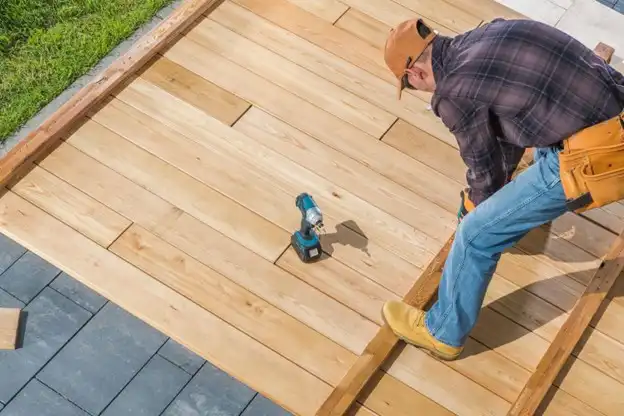
A deck can be one of the most useful outdoor spaces in a home—but only if it’s designed well. Many decks look great at first, yet end up being underused because they don’t support real, everyday activities.
A functional deck goes beyond appearance. It should feel comfortable, flexible, and easy to use for different moments, from quiet mornings to busy gatherings. The right design features can turn a simple platform into an outdoor space people actually enjoy year-round.
Getting these details right is easier with the right team behind the project. Ace Deck Company is the kind of builder homeowners turn to when they want function built in from the start, rather than added on as an afterthought.
Below are the most important design features that make a new deck more functional, practical, and long-lasting.
Start With the Purpose of the Deck
Before choosing materials or layouts, it’s important to understand how the deck will be used.
Ask yourself:
- Will it be used mostly for dining?
- Is it meant for entertaining guests?
- Will kids or pets use it often?
- Do you want a private retreat or an open gathering space?
Professionals who specialize in custom outdoor living spaces often begin with these questions because function should always guide design.
Right-Sized Layouts Matter More Than Big Ones
Bigger is not always better. A deck that is too large can feel empty, while one that is too small can feel cramped.
A functional deck layout:
- Allows clear walking paths
- Leaves enough room for furniture
- Separates activity zones naturally
Popular layout ideas include:
- Dining area near the house
- Lounge seating farther out
- Grill area positioned away from foot traffic
Well-planned sizing makes the deck easier to use and maintain.
Built-In Seating for Flexibility
Loose furniture is useful, but built-in seating adds structure and saves space.
Benefits of built-in seating include:
- Maximizes usable space
- Reduces clutter
- Creates natural gathering areas
- Offers extra storage when designed with lift-up benches
Built-in benches also help define zones without adding walls or railings.
Multi-Level Designs Improve Flow
Single-level decks work fine for flat yards, but multi-level decks offer better flow and function when elevation changes exist.
Multi-level decks:
- Separate activities naturally
- Improve movement between spaces
- Fit better on sloped properties
- Create visual interest without crowding
This approach is commonly used by experienced deck construction specialists when working with uneven terrain.
Shade Structures for Comfort
A deck without shade often becomes unusable during hot or rainy weather. Adding shade extends the deck’s usability throughout the year.
Popular shade features include:
- Pergolas
- Partial roof covers
- Retractable awnings
- Privacy screens with climbing plants
Even partial shade can make a big difference in comfort.
Smart Lighting for Safety and Use at Night
Lighting is often overlooked, yet it plays a major role in how functional a deck feels after sunset.
Functional deck lighting includes:
- Stair lighting for safety
- Railing lights for visibility
- Ambient lighting for seating areas
- Task lighting near grills or tables
Good lighting allows the deck to be used well into the evening without harsh brightness.
Durable, Low-Maintenance Materials
A deck is only functional if it’s easy to maintain. Materials that require constant upkeep can discourage regular use.
Low-maintenance material choices:
- Composite decking boards
- Weather-resistant fasteners
- Moisture-resistant framing
- Fade-resistant finishes
These materials help the deck stay safe and usable with less effort over time.
Integrated Storage Solutions
Outdoor clutter can quickly reduce how functional a deck feels.
Built-in storage options include:
- Bench seating with storage compartments
- Under-deck storage areas
- Planter boxes with hidden space
Storage keeps the deck clean and organized, especially in smaller spaces.
Wide, Comfortable Stairs
Stairs are not just a transition—they are part of the deck’s usability.
Functional stair design includes:
- Wider steps for easier movement
- Consistent step height
- Secure handrails where needed
- Non-slip surfaces
Wide stairs can also double as seating during gatherings.
Privacy Without Isolation
Privacy improves comfort, but too much enclosure can make a deck feel closed off.
Balanced privacy features include:
- Slatted privacy screens
- Vertical planters
- Partial walls
- Strategic railing designs
These options block unwanted views while keeping the space open and breathable.
Railings That Do More Than Protect
Railings are required for safety, but they can also improve function.
Functional railing ideas:
- Top rails wide enough for drinks
- Integrated lighting
- Cable railings for clear views
- Privacy-enhancing designs where needed
A railing should support both safety and usability.
Proper Drainage and Water Control
Water issues can quickly damage a deck and limit its use.
Functional drainage design:
- Prevents water pooling
- Protects framing underneath
- Keeps walking surfaces dry
- Reduces long-term damage
This is especially important in regions with frequent rain.
Easy Access From the House
A deck should feel like a natural extension of the home.
Design features that improve access:
- Wide door openings
- Flush transitions where possible
- Clear sightlines from indoors
- Logical placement near kitchens or living areas
Easy access encourages everyday use, not just special occasions.
Space for Future Changes
A truly functional deck allows room for change.
Future-ready design considerations:
- Extra space for furniture upgrades
- Structural support for future covers
- Electrical access for lighting or heaters
- Flexible layouts that adapt over time
Planning ahead avoids costly modifications later.
Final Thoughts
A new deck becomes truly functional when design decisions are based on how people live—not just how the space looks. From layout and lighting to materials and storage, every detail plays a role in how often the deck is used and enjoyed.
By focusing on comfort, flow, durability, and flexibility, homeowners can create outdoor spaces that feel inviting every day, not just during special events.
Function-first design doesn’t limit creativity—it makes it meaningful.
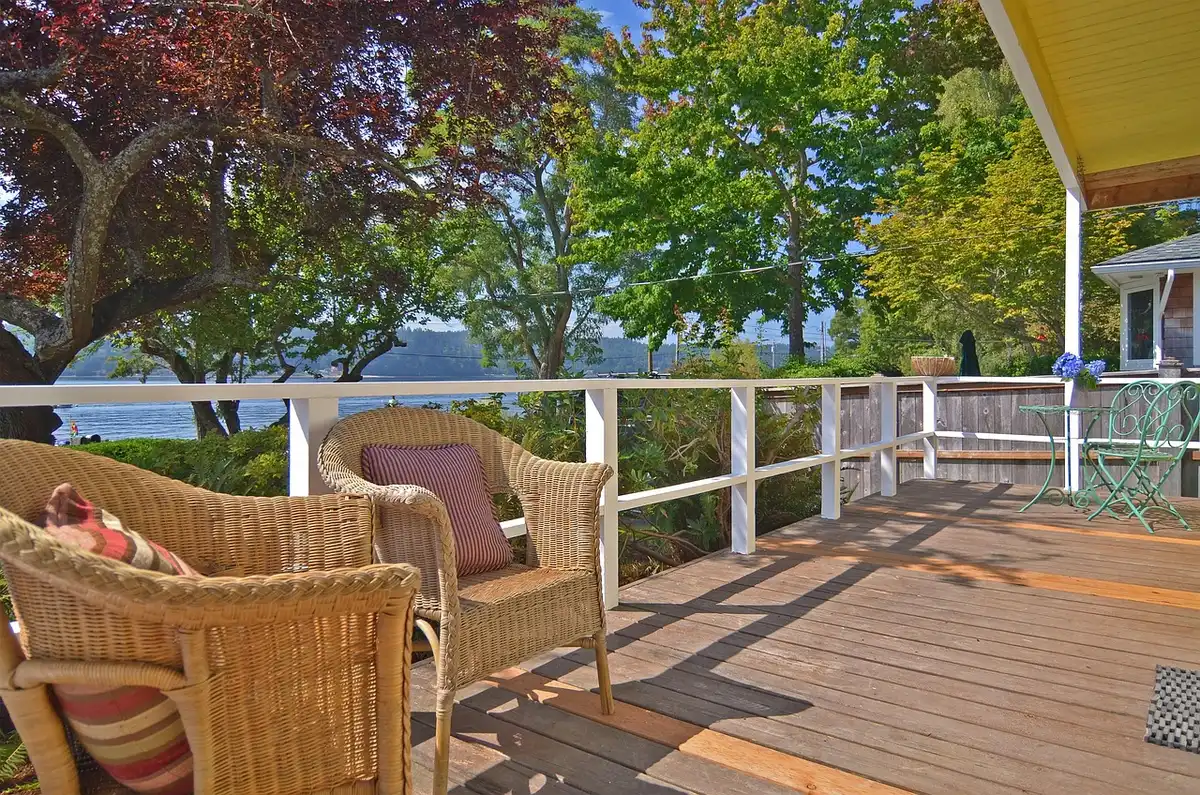
Comments on this guide to Functional deck design features: home decking construction article are welcome.
Home Decking
Home Decking
Reasons your deck needs regular maintenance
++
Buildings
Residential Architecture
Comments / photos for the Functional deck design features: home decking construction project page welcome