Wood Deck Expenses – Home Decking Costs Guide
post updated 14 July 2026
16 July 2025
What to Expect When Planning for Wood Deck Expenses: An Overview
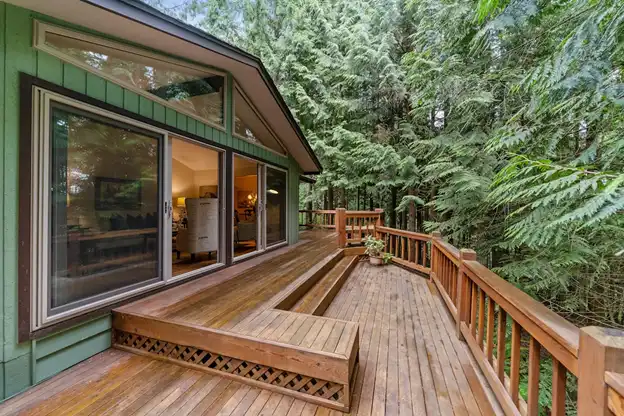
Installing a wood deck is one of the most rewarding home improvement projects, offering both functional outdoor space and a potential boost in property value. However, the costs associated with building a wood deck can vary widely depending on multiple factors. Understanding these variables helps homeowners avoid surprises and create a realistic plan that aligns with both vision and finances.
Choosing the Right Wood Type
The type of wood selected plays a pivotal role in both the appearance and total cost of your deck. Pressure-treated pine is typically the most budget-friendly option, averaging $3 to $6 per square foot. It’s chemically treated to resist insects and decay, making it a practical choice for homeowners seeking durability without breaking the bank. Cedar, known for its natural resistance to rot and insects, is more visually appealing and aromatic, with costs ranging from $7 to $12 per square foot. Premium hardwoods like ipe or mahogany can exceed $20 per square foot, reflecting their dense grain, rich color, and exceptional lifespan of up to 40 years with proper maintenance.
Regional availability also affects pricing. A material that’s abundant in one part of the country might be considered specialty lumber elsewhere. Choosing local, sustainable wood can lower costs while minimizing environmental impact. Always consult with a local supplier to compare materials based on performance and climate compatibility.
Size and Complexity of Design
Deck dimensions are another major cost determinant. A basic 10×10 platform deck will cost significantly less than a 20×20 deck with built-in seating, staircases, or multilevel sections. Each added feature requires extra materials, skilled labor, and extended time on-site. Design complexity often dictates structural requirements. Curved edges, inlays, or diagonal board patterns, for example, can drive up labor hours and waste factor. Multi-tiered decks or those connected to pools also need enhanced support systems.
Elevation increases both visual appeal and price. Elevated decks require structural beams, support posts, and reinforced footings, which can inflate material costs by 20% or more. Homeowners should consider not only current needs but future use when planning their deck layout.
Site Preparation and Permits
Not all properties are deck-ready. Sloped or uneven terrain may require grading or additional foundational work, such as concrete footings or retaining walls. These adjustments can add hundreds or even thousands of dollars to the final cost, depending on soil condition and accessibility. Urban areas often have more stringent permitting processes. Local building codes typically require permits for structures over a certain height or square footage. These permits may range from $100 to $500, but more complex or custom designs could trigger additional fees for inspections or engineer-stamped drawings.
Skipping permits to save money can result in serious consequences, including fines, forced tear-downs, or complications during home sales. Consulting with your local planning department or working with a contractor familiar with regional code requirements can prevent costly missteps.
Labor and Installation Costs
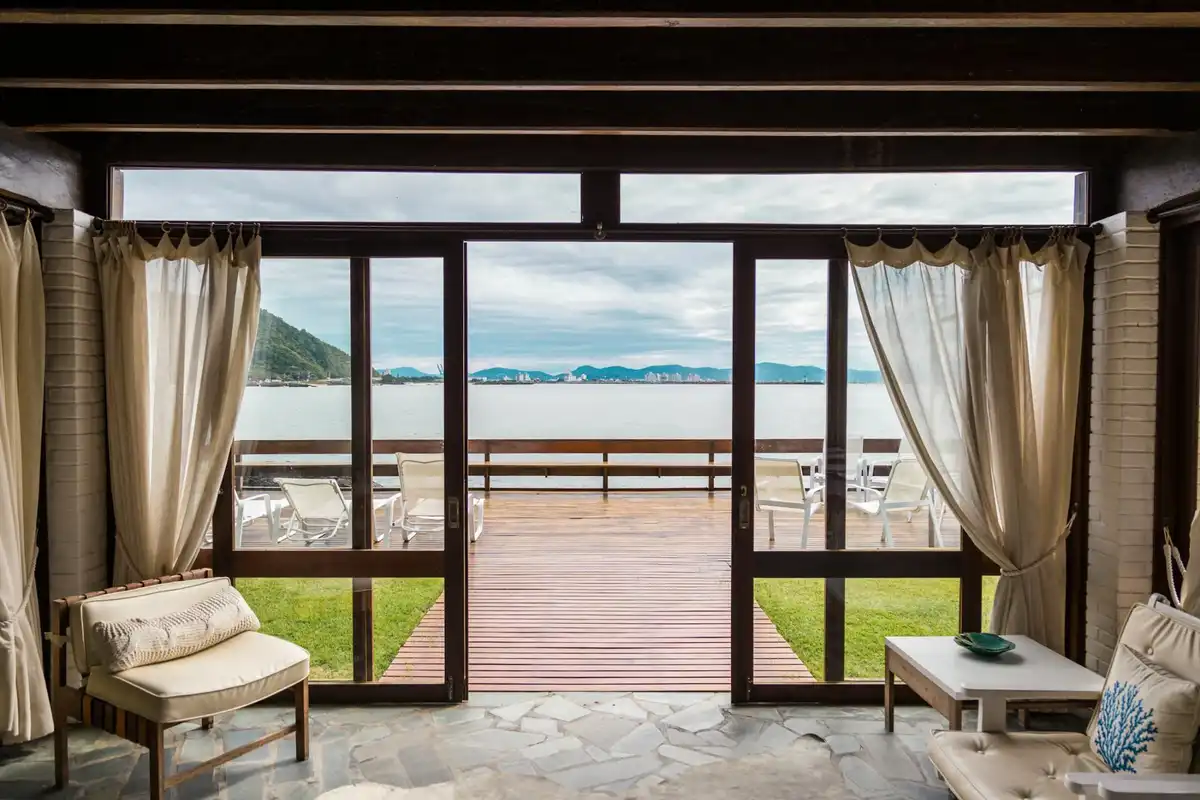
While DIY deck kits are available, most homeowners opt for professional installation due to the technical skills involved. Labor typically accounts for 50% to 60% of the total project cost. Tasks like framing, joist spacing, secure anchoring, and stair installation require precision to ensure safety and longevity. According to Remodeling Magazine’s 2024 Cost vs. Value Report, the national average for professional wood deck installation is around $17,000. That figure may climb depending on region, contractor demand, and the scope of work involved.
Always seek at least three quotes from licensed contractors. Review portfolios, ask for references, and verify insurance and certifications. The lowest bid isn’t always the best value—hidden charges, rushed timelines, or poor craftsmanship can lead to expensive fixes later on.
Maintenance and Long-Term Care
Many homeowners focus heavily on upfront construction costs but fail to account for the upkeep required to preserve a wood deck over time. Staining, sealing, and routine inspections are necessary to prevent rot, mold growth, and surface damage. One of the most common oversights is forgetting to budget for wood decking maintenance as part of the total project cost. This includes expenses for annual cleaning, refinishing every few years, and occasional repairs due to weather-related wear. These recurring needs don’t just maintain the deck’s appearance—they protect its structural integrity and extend its usable life.
Ignoring long-term care often leads to costly replacements far sooner than expected. By factoring in these ongoing responsibilities from the beginning, homeowners can protect their investment and avoid unexpected financial strain.
Enhancements and Custom Features
Upgrades such as built-in lighting, pergolas, or outdoor kitchens can significantly enhance your deck’s functionality and enjoyment, but they also add to the price tag. A simple lighting system may cost $500, while a full outdoor kitchen can exceed $10,000, depending on materials and appliances.
Safety features like railings and stair lighting are sometimes required by code and shouldn’t be overlooked during budgeting. Quality railings can range from $30 to $120 per linear foot, depending on material and design.
Decorative elements such as balusters, trim, and skirting may seem minor but can collectively add several hundred dollars to the total expense. Custom seating, planters, and privacy screens are attractive options that serve both functional and aesthetic purposes.
A thoughtful balance between practicality and luxury ensures that your investment adds real value to your lifestyle and home.

Building a wood deck offers excellent return on enjoyment and property value, but it comes with many cost considerations. From material choices to future maintenance, the planning process requires careful attention to detail. A realistic budget, built around both immediate construction and long-term care, helps ensure your outdoor retreat stands strong and beautiful for years to come.
Comments on this guide to Wood deck expenses planning, timber decking home improvement article are welcome.
Decking Articles
Home decking design, installation, repair
Decking Posts
Reasons your deck needs regular maintenance

6 inspiring decking ideas for builders and renovators
Deck plans thoughts to make your home stick out
How long does treated pine decking last
++
Building Articles
Residential Architecture
Comments / photos for the Wood deck expenses planning, timber decking home improvement page welcome.