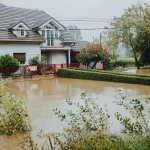
Foundation Drainage Products Shaping Modern Basement Design
7 September 2026

Basement space has become too valuable to leave undesigned. As homeowners convert below-grade square footage into livable rooms, home offices, and rental units, the drainage systems protecting that space have moved from an afterthought to a core specification decision.
Foundation water management is no longer a contractor’s problem to solve after the fact. It is a design input that shapes how basements can be used at all, and the product category behind it has grown considerably more specialized as a result.
Why Basement Drainage Belongs in the Design Conversation
The decisions made regarding groundwater and stormwater management during the design phase dictate if the basement will serve a useful purpose or not.
The functionality of a basement is determined much earlier than when drywall is erected. Grading, waterproofing, and the drainage system that is put in place under the concrete floor determine if the subterranean space will remain dry after any rainfall.
When this drainage system is incorporated into the water management design plan, rather than put in place retroactively, it is more resilient and less costly in the long run.
Design considerations that shape basement drainage outcomes:
- Site grading and the drainage of surface water from the foundation
- Exterior waterproofing membrane specification and installation quality
- Interior drain tile systems that intercept groundwater before it reaches finished space
- Sump pump capacity and placement relative to the lowest point of the foundation
- Backup power provisions for mechanical drainage systems during storm-related outages
The Sump Pump as a Building System, Not an Add-On
Sump pump systems function as active mechanical infrastructure within a building’s water management design, comparable in role to how HVAC systems manage air.
Passive drainage, grading, membranes, and drain tile handle most groundwater under normal conditions. Sump pump systems are the active component. They mechanically remove water that passive systems route to a collection point before it can rise into finished space.
In regions with high water tables or clay-heavy soil that drains slowly, the sump system is often the deciding factor in whether a basement conversion is viable at all.
Specifying this system well means treating it the same way a mechanical engineer treats HVAC load calculations: matching pump capacity to the site’s actual water intrusion rate rather than defaulting to a standard residential unit.
A basement conversion project is often the point where a site’s water conditions are first properly assessed at all. When that assessment shows the existing setup can’t handle the load, or no system exists yet, coordinating sump pump installation Hot Springs with the rest of the below-grade build-out means the pump gets sized and placed correctly before finishes go in, rather than retrofitted around them later.
Product Categories Shaping Modern Drainage Design
Modern foundation drainage has evolved into various categories of products that cater to specific needs at various stages of the drainage process.
The market for foundation water management has matured well beyond a single generic sump pump. Design teams now specify from several distinct categories depending on site conditions:
- Submersible sump pumps designed to handle continuous operation in high-water table situations
- Backup battery and water power backups that work well during power outages
- Interior and exterior drain tile systems paired with filter fabric to manage sediment
- Hydrostatic vapor barrier and waterproofing membrane systems
- Basins and check valves that fit the size of the particular pump and pit
- Dual-pump configurations for sites where a single unit lacks sufficient redundancy
- Smart monitoring add-ons that alert homeowners to pump failure or high water levels
Building Codes and Industry Standards Governing Foundation Drainage
Foundation drainage is not a discretionary design choice in most jurisdictions. It is governed by building code requirements that specify when and how drainage must be provided.
The 2024 International Residential Code, Chapter 4 forms the basis for residential building codes across most of the United States. It addresses foundation drainage requirements directly.
Understanding what the code requires, and where local jurisdictions have adopted amendments, is a necessary starting point before specifying any drainage system.
Code-driven considerations design teams need to confirm early:
- Whether the particular soil and site conditions make the drainage necessary according to the adopted code
- Local amendments that may impose stricter standards than the base IRC language
- The need for inspection and permit requirements associated with the installation of drainage for foundations
- How code minimums compare to what the site’s actual water conditions demand, since code compliance and adequate performance are not always the same threshold
What Building Science Research Says About Keeping Basements Dry
When it comes to basement water management, building science research views it as a series of barriers in which the sump pump acts as the last line of defense.
Building Science Corporation’s BSI-110: Keeping the Water Out of Basements frames basement water control as a layered system rather than a single product decision.
The layers work in sequence:
- Grading and drainage deal with the first layer
- Damp-proofing or waterproofing materials on the outside take care of the second layer
- Interior drain tile paired with a sump pump handles whatever water gets past both
This framing clarifies what a sump pump is actually for. It is not the primary defense against water intrusion. It is the mechanical backstop that manages whatever the passive layers fail to stop, which is why an undersized or unreliable pump can undermine an otherwise well-designed drainage strategy even when every other layer was specified correctly.
Retrofitting Older Foundations for Modern Water Management Standards
Several foundations have been constructed prior to the existence of the drainage criteria in question, hence making them a separate design issue from those built using current criteria.
Quite a number of conversions take place within buildings where the foundations date back to a time when there was no such waterproofing code.
The retrofit process typically involves:
- Assessing an existing foundation’s current condition
- Identifying where water is actually entering, rather than assuming a single source
- Integrating new drainage components into a structure that wasn’t designed to accommodate them
- Confirming whether the existing sump system, if one exists at all, was ever sized for the sustained load a finished, occupied basement now demands
According to a FEMA basement flood mitigation technical guide, interior drainage and sump pump systems are among the most effective retrofit measures for reducing basement flood risk in existing structures where regrading or exterior waterproofing is impractical.
e-architect’s own coverage of the role of water pumps in preventing flood damage outlines how mechanical drainage fits into a broader flood-resilience strategy. The publication’s retrofitting for flood resilience guide covers the wider building envelope considerations that surround this kind of project.
FAQ
Is a sump pump considered part of a building’s structural system or a mechanical system?
It is a mechanical system because it does not provide support but removes water actively, whereas the condition of its functioning directly influences whether the structural components of a building remain dry.
How does site soil type affect drainage system design?
Soils high in clay content drain slowly and exert greater hydrostatic pressure on the basement walls compared to other types of soils such as sandy soils.
Should backup power be part of a sump pump specification?
In most cases, yes. Power outages frequently coincide with the storm events that cause the highest water intrusion, making battery- or water-powered backup systems a meaningful part of the overall design rather than an optional add-on.
Does meeting building code drainage requirements guarantee a dry basement?
No, it does not. Minimum code standards serve as a starting point; however, if the location has an unusually high water table level or poorly draining soils or receives heavy rainfall seasonally, then more drainage is needed than the minimum code requires.
Conclusion
The idea of foundation drainage is one that has progressed in nature from merely being a fix to the problems that occur post-construction to actually being a design element because basements have started to be useful spaces instead of storage only.
Sump pumps, drain tiles, waterproofing membranes, and backup power arrangements now serve as a system for water management. It is deserving of the same attention to specification as any other system in the building.
Treating it that way at the design stage, informed by both code requirements and the layered-defense thinking that building science research supports, prevents the far more disruptive process of retrofitting a basement’s water management after a conversion project has already begun. As demand for finished below-grade space continues to grow, the design teams that specify drainage systems deliberately will be the ones delivering basements that actually hold up over the life of the building.
Comments on this guide to Foundation drainage products for modern basement design article are welcome.
Home Plumbers
Property Plumbers Posts
Drainage decisions that surface after the build
Why Drainage is So Important in Landscaping
Smart plumbing design services
Tips for hiring a commercial plumber
+++
Building
Residential Property
Comments / photos for the Foundation drainage products for modern basement design advice guide page welcome.