Evolving Architectural Landscapes: Relocation’s Role in Shaping GTA Homes in 2026
January 9, 2026
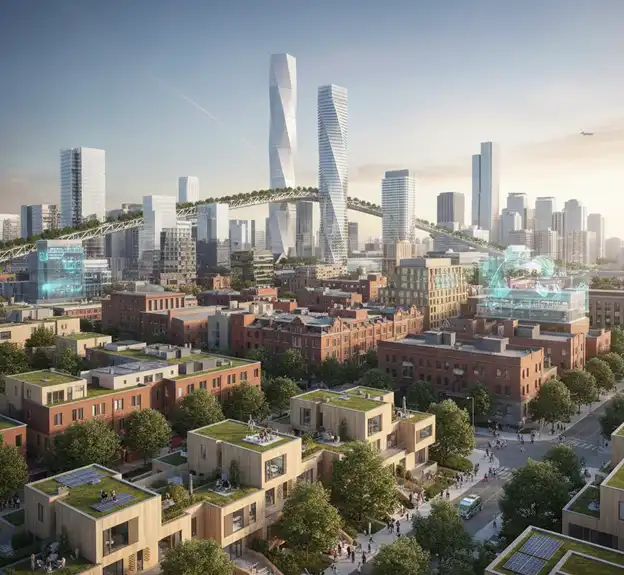
When considering the dynamic shifts in home design across the Greater Toronto Area, it’s essential to recognize how moving influences these changes, especially with services from the best movers GTA helping families transition smoothly into new spaces that reflect modern architectural preferences.
The Greater Toronto Area, often abbreviated as the GTA, has long been a hub of innovation in building design, blending historical elements with cutting-edge sustainability features. As we step into 2026, the influence of relocation on architectural choices becomes even more pronounced. Families and professionals moving within or to the region are not just seeking shelter; they’re looking for homes that align with evolving lifestyles, incorporating smart technology, eco-friendly materials, and open-concept layouts that foster community and well-being. This trend is evident in how new developments in areas like Scarborough or Mississauga integrate green spaces and modular designs, allowing residents to customize their environments post-relocation.
Statistics from recent years underscore this movement. In 2025, domestic relocations in Canada saw a 15% increase compared to previous periods, driven by economic factors and lifestyle adjustments. In Ontario specifically, intraprovincial migration rates hovered around 3.1% early in the year, with many heading to or from the GTA for better opportunities. These figures highlight why architecture in the region is adapting—newcomers bring fresh ideas, prompting builders to emphasize flexibility in floor plans, energy-efficient windows, and multifunctional rooms that cater to remote work setups.
Historical Context of GTA Architecture
Toronto’s architectural journey is a tapestry woven from its immigrant roots and urban expansion. From the Victorian row houses in Cabbagetown to the modernist towers downtown, the city’s skyline tells stories of adaptation. Relocation has always played a part; waves of newcomers in the mid-20th century led to the rise of suburban bungalows, while today’s trends lean toward high-rise condos with communal amenities. In 2025, the GTA saw a slowdown in population growth to just 0.1% in some quarters, yet this didn’t halt architectural innovation— instead, it encouraged a focus on quality over quantity, with designs prioritizing natural light and ventilation to combat urban density.
Points of interest like the Royal Ontario Museum, with its crystalline Michael Lee-Chin addition, exemplify how relocation inspires bold designs. New residents often visit such landmarks first, drawing inspiration for their own homes, perhaps incorporating angular facades or mixed materials that echo the museum’s blend of old and new. Similarly, the CN Tower’s sleek lines influence contemporary high-rises, where relocated families seek panoramic views reminiscent of the tower’s observation deck.
Integrating keyword clusters such as GTA sustainable building practices, Toronto modern home renovations, and Ontario eco-friendly architecture seamlessly into daily discussions among architects reveals a growing emphasis on resilience. For instance, homes now feature rainwater harvesting systems and green roofs, reducing energy costs by up to 20% according to Canadian building standards.
Current Trends in Residential Design
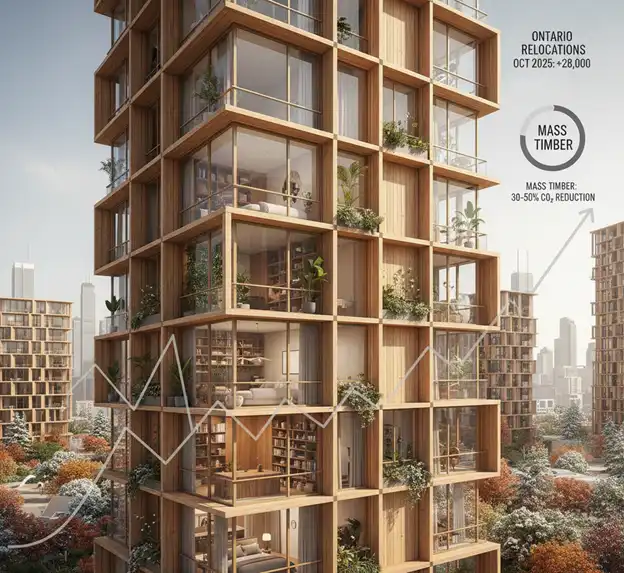
As relocations surge— with over 28,000 movers in Ontario alone in October 2025—architects are responding with trends that prioritize personalization. Mass timber construction, as seen in recent Toronto projects, offers a sustainable alternative to steel, cutting carbon emissions by 30-50%. This material’s warmth appeals to those moving from colder climates, creating inviting interiors that blend with the GTA’s diverse weather patterns.
Bullet points on key design elements include:
- Adaptive reuse of spaces, where old warehouses become lofts with exposed brick and high ceilings, ideal for creative professionals relocating for work.
- Biophilic design principles, incorporating plants and natural elements to improve mental health, especially post-move stress reduction.
- Smart home integrations, like automated lighting and HVAC systems, which save households an average of 15% on utilities in Canadian winters.
- Modular additions, allowing easy expansions for growing families without major disruptions.
These elements tie back to the GTA’s points of interest; for example, the Art Gallery of Ontario’s Frank Gehry redesign inspires curved wooden structures in new homes, fostering a sense of artistic living.
In 2025, condo starts dropped 51% in southern Ontario, shifting focus to ground-oriented homes with gardens. This reflects relocation patterns where families seek more space, leading to designs with backyard offices or multi-generational suites.
Sustainability and Future-Proofing
Sustainability isn’t just a buzzword in GTA architecture—it’s a necessity. With emigration rates hitting 120,000 Canadians leaving in 2025, those staying or arriving demand homes that withstand climate challenges. Net-zero energy buildings, using solar panels and advanced insulation, are on the rise, with Ontario seeing a 42% uptick in purpose-built rentals incorporating these features.
Visiting High Park, one of the GTA’s green oases, often sparks ideas for home landscapes. Relocated residents might add native plant gardens, reducing water usage by 50% and attracting local wildlife.
Keyword clusters like Greater Toronto Area green architecture innovations, Canadian home energy efficiency standards, and Ontario passive house designs are embedded in professional dialogues, emphasizing long-term value.
Commercial Influences on Residential Spaces
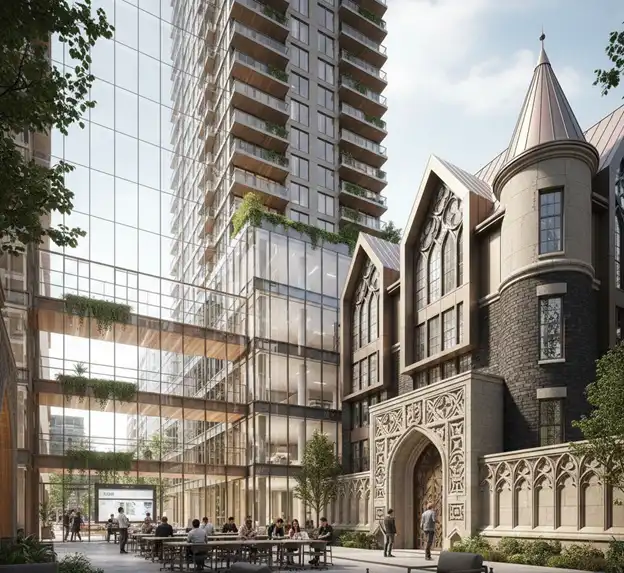
The line between commercial and residential architecture blurs in the GTA. Office conversions into apartments, spurred by remote work trends post-2025’s 8.3% unemployment rate in Ontario, create hybrid spaces. These feature open atriums and shared workspaces, appealing to tech workers relocating from abroad.
Casa Loma’s gothic revival style influences luxury homes, where grand entrances and intricate details add character to modern builds.
Bullet points for adaptation strategies:
- Mixed-use developments, combining retail and living spaces for convenience.
- Resilient materials against Toronto’s harsh winters, like insulated concrete forms.
- Community-oriented designs, with shared rooftops mimicking the Distillery District’s pedestrian-friendly vibe.
- Tech-forward security, integrating AI for safer neighborhoods.
Cultural Integration Through Design
Relocation brings cultural diversity, enriching GTA architecture. Neighborhoods like Little India inspire vibrant color palettes and intricate patterns in home facades, while Kensington Market’s eclectic vibe encourages mismatched aesthetics in renovations.
In 2025, the GTA’s population hovered around 7 million, with immigration contributing 71.5% to growth despite overall slowdowns. This diversity drives designs that accommodate extended families, such as in-law suites with separate entrances.
Points of interest like Ripley’s Aquarium influence aquatic-themed interiors, with blue hues and fluid shapes promoting calm in urban settings.
Challenges and Opportunities Ahead
While relocation fuels innovation, challenges like housing shortages persist. In 2025, GTA home sales hit a 25-year low at 62,400, down 11% from 2024. Architects are countering this with affordable modular homes, reducing build times by 30%.
Future trends point to AI-assisted designs, optimizing layouts for individual needs.
Bullet points on overcoming hurdles:
- Policy incentives for green builds, lowering costs through rebates.
- Community consultations to ensure designs reflect local heritage.
- Education on sustainable living, tying into GTA landmarks like the Ontario Science Centre.
- Collaboration with engineers for earthquake-resistant structures, given urban density.
The GTA’s architectural scene thrives on these evolutions, making it a beacon for those relocating.
FAQ
What impact does relocation have on GTA home prices?
Relocation often stabilizes prices by increasing demand in emerging areas, but in 2025, benchmark prices dropped 6.3% to $942,300 due to economic factors.
How are sustainable materials changing Toronto architecture?
Materials like mass timber and recycled composites are reducing environmental impact, with new builds achieving 20-30% better energy efficiency.
What role do cultural landmarks play in home design inspiration?
Landmarks like the ROM provide motifs for angular, modern homes, blending history with contemporary needs.
Are there incentives for eco-friendly renovations in Ontario?
Yes, provincial programs offer rebates up to $5,000 for energy upgrades, encouraging relocated homeowners to invest in green tech.
Comments on this guide to Evolving GTA architecture: relocation trends shaping homes in 2026, Toronto house move article are welcome.
Toronto Property – GTA Real Estate
Toronto Condo Market, GTA real estate
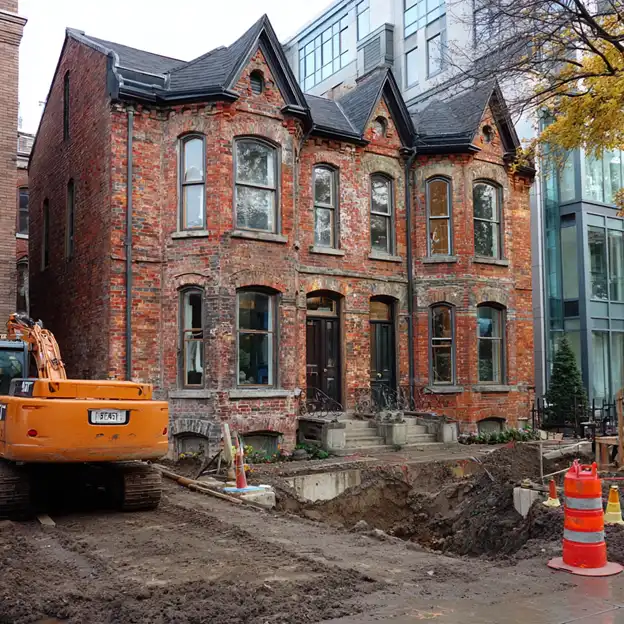
Heritage house underpinning with zero street closure in Toronto
The evolution of iconic high-rise in Toronto
Toronto Condo Market, GTA real estate
GTA pre construction condos, Greater Toronto Area
++
Building Articles
Residential Architecture Articles
Comments / photos for the Evolving GTA architecture: relocation trends shaping homes in 2026, Toronto house movers page welcome