Designing Medical Offices with Architectural Precision and Purpose
post updated 1 August 2026
1 August 2025
The design of medical offices is a critical component that directly influences patient care, staff efficiency, and operational success. Unlike typical commercial spaces, medical offices require a unique balance of functionality, safety, comfort, and aesthetics.
Architectural precision and purposeful design in healthcare environments enhance the experience for patients and support medical professionals in delivering top-quality care. This blog post explores how thoughtful architectural planning in medical office design can lead to environments that are efficient, welcoming, and compliant with rigorous healthcare standards.

Functional Layouts That Maximize Efficiency
Creating a medical office that operates smoothly begins with a layout that prioritizes functionality and logical flow. From the reception desk to examination rooms, every area should be placed to minimize unnecessary movement and reduce patient wait times. Strategic zoning, separating public, clinical, and administrative spaces, boosts privacy and enhances staff workflow.
In the middle of the planning process, medical office builders play a crucial role in translating architectural designs into practical spaces that meet regulatory standards and user needs. With their expertise, builders ensure that design intentions are executed with precision, allowing physicians and staff to work efficiently while patients receive timely and comfortable care throughout their visit.
Incorporating Technology Seamlessly
Modern medical offices depend heavily on advanced technology, from electronic health records to diagnostic equipment. Designing spaces that accommodate these technologies without compromising aesthetics or space is crucial. Architects integrate data cabling, power outlets, and specialized lighting to support medical devices while maintaining a clean, uncluttered environment.
Flexible room designs that allow for future technological upgrades ensure the longevity and adaptability of the facility. For example, examination rooms with modular furniture and movable partitions can be quickly adapted to new equipment or changing medical practices. By planning for technology from the outset, medical offices can stay ahead in providing state-of-the-art care without costly renovations.
Prioritizing Patient Comfort and Privacy
The experience of patients visiting a medical office plays a significant role in their well-being and satisfaction. Architectural design must prioritize creating a calming atmosphere that reduces stress and anxiety. This can be achieved through thoughtful use of natural light, soothing color palettes, and comfortable furniture in waiting areas. Soundproofing is equally important to maintain confidentiality during consultations and treatments. Privacy extends beyond physical separation. It includes the psychological comfort patients feel when their personal information and health concerns are securely handled. Incorporating private check-in kiosks, discreet examination rooms, and well-planned circulation paths enhances patient dignity and trust in the medical environment.
Ensuring Compliance and Safety Standards
Medical offices must adhere to strict regulatory standards to ensure the safety of patients and staff. Architects play a vital role in integrating these requirements into the design without sacrificing form or function. Compliance includes accessibility features for people with disabilities, proper ventilation systems to reduce airborne contaminants, and fire safety measures such as clear exit routes and fire-resistant materials.
Medical waste disposal areas and sterilization rooms require specialized design considerations to prevent contamination and maintain hygiene. By embedding safety and compliance into the architectural blueprint, medical offices meet legal obligations and create healthier environments conducive to healing.
Sustainable Design for Health and Efficiency
Sustainability in medical office design benefits the environment and the operational efficiency of the facility. Using eco-friendly materials, energy-efficient lighting, and HVAC systems reduces the carbon footprint and lowers operating costs. Architects incorporate green building certifications such as LEED to guide sustainable practices in healthcare settings.
Beyond environmental impact, sustainable design enhances indoor air quality and natural lighting, which have been shown to improve patient recovery times and staff wellbeing. Incorporating biophilic elements like indoor plants and natural textures creates a connection to nature, further promoting a healing environment. A medical office designed with sustainability in mind reflects a commitment to community health and long-term viability.
Flexible Spaces for Evolving Medical Needs
Healthcare is a constantly evolving field, and medical office design must accommodate future changes. Architects design flexible spaces that can adapt to new medical technologies, treatment protocols, and patient volumes. Multi-functional rooms with movable walls, modular furnishings, and scalable infrastructure allow offices to expand or reconfigure as needed.
This flexibility minimizes costly renovations and downtime while ensuring the facility can respond to advances in medicine and shifts in healthcare delivery models. For example, telemedicine rooms can be integrated into existing spaces, and shared diagnostic areas can serve multiple specialties. Designing with adaptability at the core enables medical offices to remain relevant and effective.
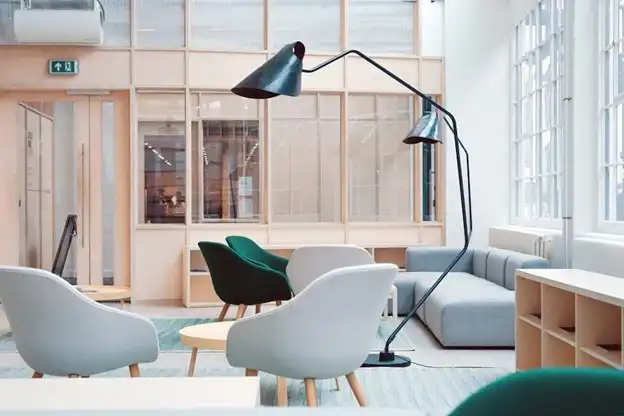
Designing medical offices with architectural precision and purpose is a sophisticated process that significantly impacts healthcare delivery. By focusing on efficient layouts, seamless technology integration, patient comfort, regulatory compliance, sustainability, and flexibility, architects create spaces that support patients and medical professionals.
Thoughtful design enhances the quality of care and promotes operational success and long-term adaptability. As healthcare continues to evolve, so too will the architectural approaches that shape the environments where healing begins. Investing in purposeful medical office design is an investment in healthier communities and better outcomes for all.
Comments on this guide to Designing Medical Offices with Architectural Precision and Purpose article are welcome.
Buildings
Wisdom of Choosing Aluminium Windows

image courtesy of article provider
Use of Aluminium in Architecture
Natural slate rainscreen cladding system
++
Property Articles
Comments / photos for the Designing medical offices advice page welcome.