
What to Know Before Starting a Custom Deck Construction Project
December 26, 2025
A custom deck represents one of the most impactful home improvements you can make, extending your living space outdoors and creating a gathering place for years to come. But the gap between envisioning your ideal deck and actually enjoying it involves numerous decisions that affect both the final result and your experience getting there. Understanding the critical factors before breaking ground saves time, prevents costly mistakes, and ensures the finished deck truly matches how you’ll use it.
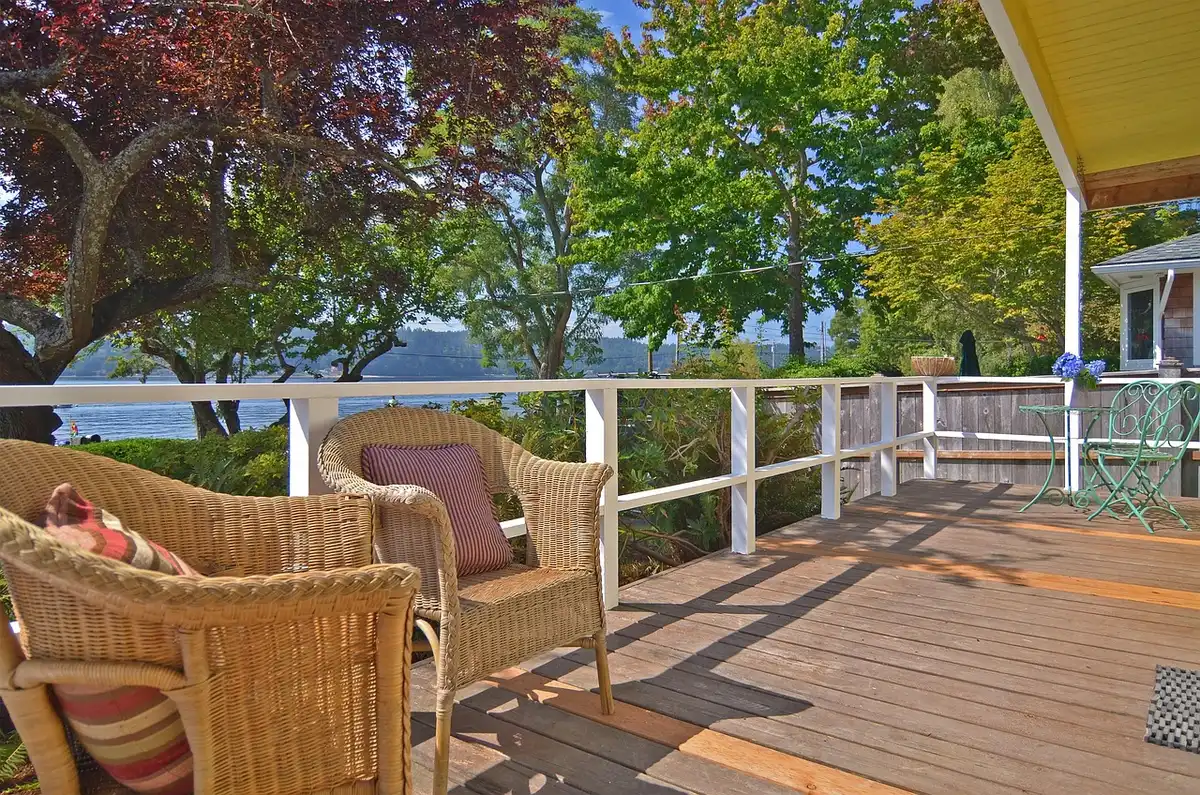
Defining How You’ll Actually Use the Space
The first question isn’t about materials or budget. It’s about function. Will this deck primarily host weekend dinner parties for twelve, or quiet morning coffee for two? Does your family need space for kids to play while adults supervise from built-in seating? Are you creating an outdoor kitchen area or a simple transition space between house and yard?
These aren’t abstract considerations. They directly shape practical design decisions. A deck built for entertaining needs different traffic flow than one designed as a private retreat. Families with young children require unobstructed sightlines from the house and potentially lower railings that don’t block views. Los Angeles deck builders working in mild climates often incorporate features like built-in fire pits or outdoor heating elements that extend usability into cooler evenings, while clients in other regions might prioritize covered sections for rain protection.
Be specific about activities. If you envision outdoor dining, measure your current dining table and chairs to ensure adequate space plus circulation room. Planning to add a grill? Account for safe clearances and ventilation. The more precisely you define intended use, the better the final design serves your actual lifestyle rather than generic outdoor living concepts.
Navigating Permits and Building Codes
Local regulations govern deck construction more strictly than many homeowners expect. Most jurisdictions require permits for decks above a certain height or size, and inspections typically occur at multiple construction stages. These aren’t bureaucratic obstacles; they ensure structural safety and protect your investment.
Building codes specify requirements for foundation depth, joist spacing, railing height, stair dimensions, and load capacity. The International Residential Code establishes baseline standards that most local jurisdictions adopt or modify, covering everything from minimum railing heights of 36 inches to maximum spacing between balusters. Setback requirements dictate how close you can build to property lines. Some neighborhoods have additional restrictions through homeowner’s associations regarding appearance, materials, or maximum deck size.
Starting construction without proper permits creates serious problems. You might face stop-work orders, fines, or requirements to remove completed work. Future home sales can stall when unpermitted structures surface during inspections. Worse, insurance claims related to unpermitted decks may be denied.
Consulting local building departments early in planning reveals exactly what’s required. Many municipalities offer plan review services that catch potential issues before construction begins. This upfront investment of time prevents expensive corrections later and ensures your deck meets all safety standards from the start.
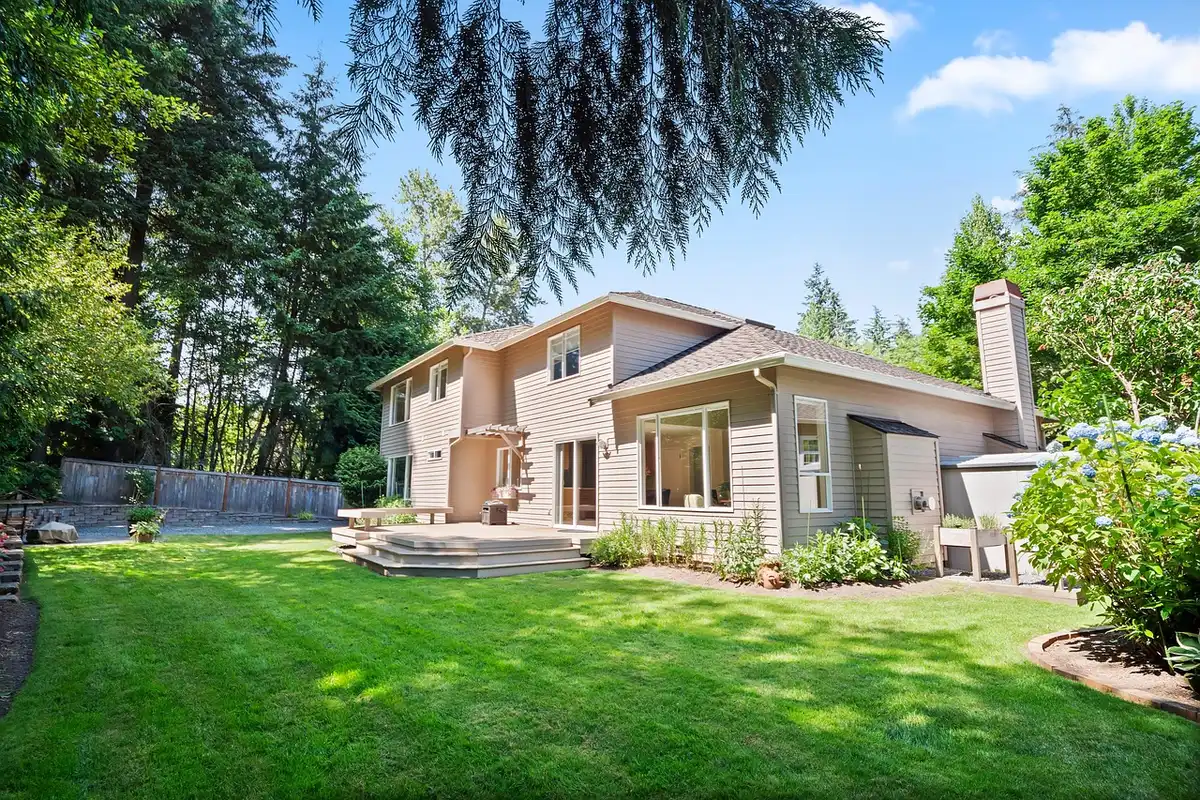
Choosing Materials That Match Your Maintenance Reality
Material selection involves more than appearance. It’s a long-term commitment to specific maintenance requirements and a trade-off between upfront cost and lifetime expenses.
Pressure-treated lumber offers the lowest initial cost and accepts stains well, but requires annual cleaning and periodic sealing to prevent rot, warping, and splintering. Cedar and redwood provide natural rot resistance and beautiful grain patterns but cost significantly more and still need regular maintenance to prevent weathering to gray.
Composite decking eliminates most maintenance. It won’t rot, splinter, or require sealing. Quality composite materials resist fading and staining while maintaining consistent appearance for decades. The trade-off is higher upfront cost and limitations on customization. Composites also retain heat more than wood, which matters in sunny climates.
Less common options include PVC decking, which offers the lowest maintenance of any material but the highest cost, and exotic hardwoods like ipe, which provide exceptional durability but require specialized installation and pre-drilling for every fastener.
Be honest about your maintenance commitment. If you won’t realistically spend weekends cleaning and sealing, composite materials prevent your deck from becoming an eyesore within a few years. If you enjoy hands-on property care and prefer natural materials, quality wood maintained properly develops character that synthetic materials can’t match.
Setting a Realistic Budget With Contingency
Custom deck costs vary dramatically based on size, materials, complexity, and labor rates in your area. A basic 12×16 pressure-treated wood deck might cost $6,000-$10,000, while the same size in premium composite with built-in features could reach $20,000-$30,000 or more.
Your budget needs to account for more than just materials and labor. Permit fees, inspection costs, site preparation, and disposal of debris add up. Complex designs with multiple levels, custom railings, or integrated lighting increase both material and labor costs substantially.
Smart budgeting allocates 10-15% for contingencies. Unexpected issues surface routinely during construction. Soil conditions might require different footings than anticipated. Existing structures could need modification. Material prices fluctuate. Having buffer room prevents mid-project compromises that leave you with a deck you’re not fully satisfied with.
Get detailed written quotes from multiple contractors that break down material and labor costs separately. This transparency helps you understand where money goes and make informed decisions about trade-offs. Be wary of quotes significantly below others; they often indicate missed items that surface as change orders later.
Selecting a Contractor You Can Trust
Your contractor choice affects every aspect of the project. The right builder brings expertise, communicates clearly, solves problems proactively, and delivers quality work on schedule. The wrong one creates stress, delays, cost overruns, and subpar results.
Start by verifying credentials. Confirm active licenses, current insurance coverage, and worker’s compensation policies. Check references and actually contact previous clients. Ask about communication quality, how the contractor handled unexpected issues, and whether the client would hire them again.
Review examples of completed projects similar in scope to yours. Quality builders maintain portfolios that demonstrate their capabilities. Look for clean craftsmanship, attention to detail in railings and trim, and designs that show creativity in solving space constraints.
Communication style matters as much as technical skill. During initial meetings, assess whether the contractor listens to your priorities, asks clarifying questions, and explains options in understandable terms. Builders who dismiss your concerns or push toward their preferred approach without explaining reasoning often create frustration throughout the project.
Insist on a detailed written contract specifying scope of work, materials by brand and grade, timeline with key milestones, payment schedule tied to completion stages, and warranty terms. This protects both parties and provides clear expectations if disagreements arise.
Designing for Long-Term Satisfaction
Successful deck design balances immediate needs with future flexibility. Consider how your life might change over the coming decade. Young children grow into teenagers with different space needs. Empty nesters might host grandchildren. Physical abilities change as we age.
Build in adaptability where possible. Wiring for future lighting or speakers costs little during construction but requires major work to add later. Structurally supporting potential roof additions or screens saves significant expense if you decide to add weather protection years down the line.
Think about maintenance access. Decks need underneath ventilation to prevent moisture issues. Designs that allow you to inspect and maintain the underside prevent problems from developing unnoticed. Leave access to utilities that run beneath the deck.
Sun exposure affects comfort dramatically. Track how sun moves across your yard throughout the day and across seasons. Strategic positioning or partial overhead coverage can make the difference between a deck you use constantly and one that sits empty during prime outdoor weather because it’s uncomfortably hot.
The Foundation of Success
Building a custom deck involves dozens of decisions, but getting the fundamentals right makes everything else fall into place. Define your actual needs clearly, understand regulatory requirements, choose materials aligned with your maintenance reality, budget realistically, and select a contractor who communicates well and delivers quality work.
The homeowners who enjoy their decks most didn’t necessarily spend the most money or build the largest structures. They invested time upfront to plan thoughtfully, asked questions until they understood their options, and made informed choices aligned with how they actually live. That preparation transforms a construction project into an outdoor space that genuinely enhances daily life for years to come.
Comments on this guide to Custom deck construction project: home decking article are welcome.
Home Decking
Home Decking
Reasons your deck needs regular maintenance
++
Buildings
Residential Architecture
Comments / photos for the Custom deck construction project: home decking page welcome


