Construction Waste Planning: Residential Renovation Design
11 August 2026

Construction Waste Planning: An Overlooked Part of Successful Residential Renovation Design
A successful residential renovation begins long before construction starts. Architects, designers, contractors, and homeowners spend considerable time evaluating layouts, materials, budgets, structural requirements, and project schedules.
One element that often receives far less attention is what happens to everything being removed from the property.
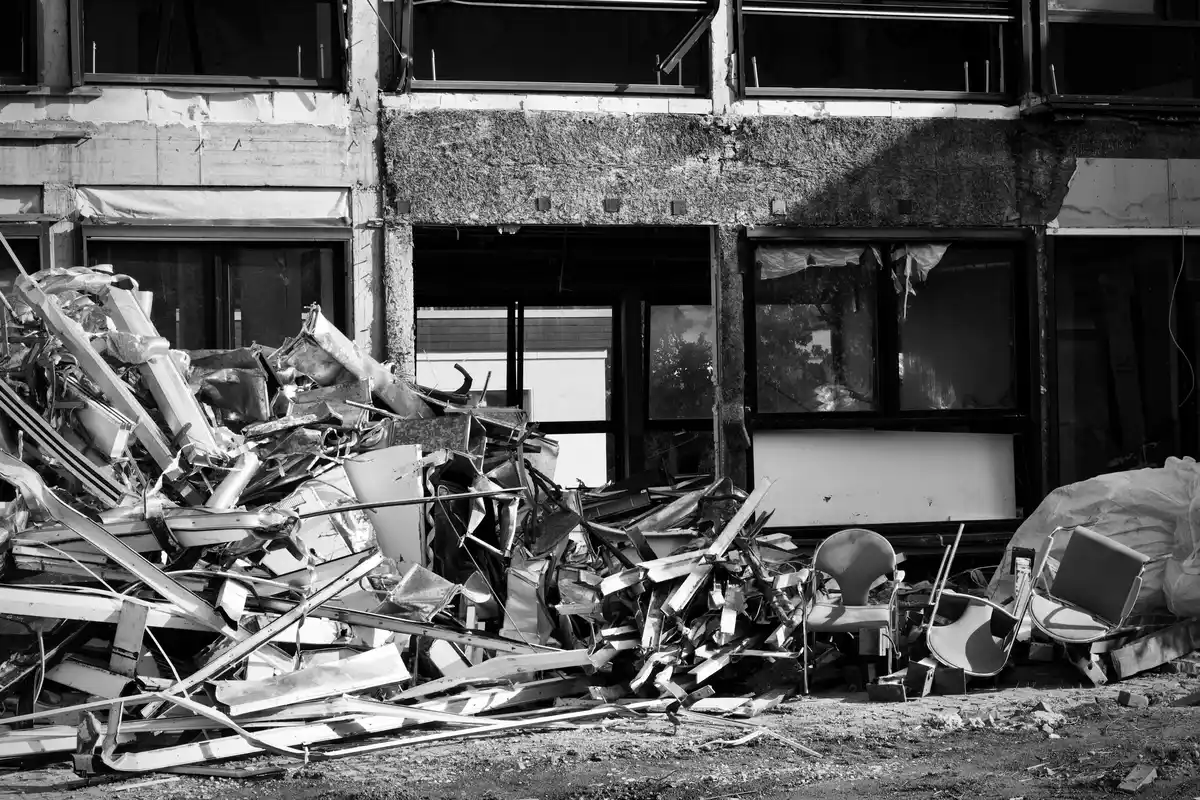
Demolition debris, old cabinetry, flooring, drywall, lumber, fixtures, packaging, and unwanted household materials can quickly overwhelm a residential jobsite. When waste removal is treated as an afterthought, it can interfere with construction sequencing, create safety concerns, restrict access, and make an otherwise well-planned renovation more difficult to manage.
For that reason, debris management deserves a place in the project plan from the beginning.
Waste Removal Is Part of Site Planning
Architects and contractors routinely consider how materials will enter a site. The same thought should be given to how discarded materials will leave it.
Residential properties can create unique logistical challenges. Driveways may be narrow. Landscaping may limit access. Garages may need to remain usable. Trees, overhead utilities, neighboring properties, and delivery requirements can all affect placement options.
Before construction begins, the project team should identify:
- Where demolition debris will be collected
- Where a dumpster can safely be positioned
- How workers will move waste from the structure to the container
- Whether the placement area needs additional protection
- Whether the delivery vehicle will have sufficient access
- When the container needs to arrive and be removed
Addressing these questions early helps prevent waste management from disrupting other phases of construction.

Container Size Should Match the Project
Dumpster selection is often treated as a simple question of volume. In practice, both volume and material weight matter.
A small bathroom renovation may generate tile, drywall, fixtures, cabinetry, and packaging. A kitchen project can produce significantly more material, particularly when flooring, countertops, cabinets, and appliances are being replaced.
Whole-home renovations and larger construction projects can create substantial quantities of debris over an extended period.
Residential dumpster providers such as EcoBox Dumpsters offer 10-, 15-, and 20-yard roll-off containers, giving homeowners and contractors options based on the scope of the work.
However, simply selecting the largest available container is not always the best approach.
Dense materials can reach weight limits before a container reaches its physical capacity. Roofing shingles are a good example. Because of their weight, EcoBox limits roofing material to its 10-yard dumpsters.
Understanding what will be removed is therefore just as important as estimating how much space the material will occupy.
Think About Debris Flow During Construction
On larger renovation projects, construction waste is rarely generated all at once.
Demolition may produce the largest initial volume. Framing and mechanical work create a different waste stream. Later phases generate packaging, drywall scraps, flooring remnants, trim, and finish materials.
Planning debris removal around these phases can improve jobsite organization.
A container positioned conveniently during demolition may reduce the amount of material workers need to handle multiple times. If a project continues for several weeks, scheduling waste service around major construction milestones can prevent the disposal area from becoming overcrowded.
This is particularly important on occupied residential properties where homeowners may continue living in part of the home during construction.
Placement Can Affect the Property
Dumpster placement deserves more consideration than simply finding an open portion of the driveway.
The project team should evaluate driveway construction and condition, landscaping, garage access, overhead wires, tree limbs, gates, fences, truck maneuvering room, and the distance from active construction.
The closer the container can be positioned to the work zone without interfering with construction, the easier debris handling generally becomes.
Homeowners should also ask their rental provider what procedures are used to help protect the placement surface during delivery and pickup.
A few minutes of planning before delivery can prevent much larger logistical problems once construction begins.
Restricted Materials Need a Separate Plan
Renovation debris is not always a single waste stream.
Certain paints, chemicals, electronics, batteries, hazardous substances, and other regulated materials may require separate handling depending on local requirements and disposal-facility policies.
This becomes particularly relevant when a renovation includes clearing older garages, workshops, basements, or storage areas.
Project teams should identify potentially restricted materials before loading begins. When there is uncertainty, the best approach is to ask the waste provider before placing the material into the container.
It is much easier to develop an alternative disposal plan beforehand than to remove prohibited materials from a loaded dumpster later.

A Cleaner Site Can Be a More Efficient Site
Construction waste management also affects jobsite safety and efficiency.
Renovation debris can contain exposed nails and screws, broken tile, sharp metal, splintered lumber, glass, and heavy demolition materials.
Allowing these materials to accumulate around the work area can create hazards and obstruct workers moving tools, equipment, and new materials through the property.
A dedicated disposal area gives contractors a predictable location for approved debris and helps preserve clearer walking and working areas.
For homeowners, that can also make an active renovation feel less disruptive.
Plan Disposal Before Demolition Begins
The best time to determine a project’s waste-management needs is during pre-construction planning.
Before work begins, homeowners and contractors should know what types of debris will be generated, approximately how much material will be removed, which materials may require special handling, what container size is appropriate, where it will be placed, and when service will be needed.
Homeowners and contractors preparing for demolition or remodeling can also review construction dumpster rental options before work begins to better understand container size, material requirements, placement, and timing.
Waste removal may not be one of the most visually exciting parts of a residential renovation, but poor planning can affect schedules, safety, access, contractor efficiency, and the homeowner’s overall experience.
By incorporating waste management into the project plan from the beginning, homeowners and construction professionals can create cleaner jobsites, reduce unnecessary interruptions, and help the renovation progress more efficiently from demolition through completion.
Comments on this guide to Construction waste planning: residential renovation design article are welcome.
Construction Waste
Waste Posts
Managing Construction Waste Efficiently
Ways to deal with construction waste
How to manage construction waste sustainably
++
Property
Home Improvement Posts
Comments / photos for the Construction waste planning: residential renovation design advice guide page welcome