
Cloud-Based Tools Every Architect Should Be Using in 2026
31 January 2026
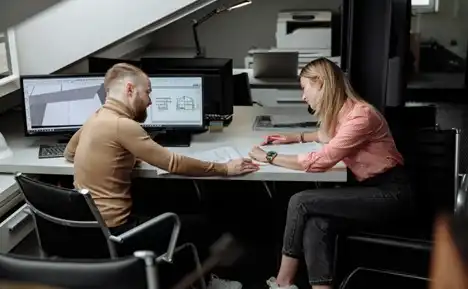
The architecture industry has always thrived on innovation, blending creativity with cutting-edge technology to bring ideas to life. In 2026, the landscape of architectural design is more digitally driven than ever, with cloud-based tools reshaping how architects collaborate, design, and execute projects.
From streamlining workflows to enabling real-time collaboration across continents, these tools are no longer optional—they are essential. As architects navigate increasingly complex projects and demands for sustainability, efficiency, and precision, embracing cloud solutions can provide a significant competitive advantage. Moreover, integrating strategies such as BIM outsourcing services allows firms to scale resources more efficiently while maintaining high-quality project delivery. With emerging technologies, architects can now access quantum computers via cloud, opening doors to computational power previously unimaginable. This article explores the most impactful cloud-based tools that every architect should be using this year.
Cloud-Based BIM Platforms
Building Information Modeling (BIM) has transformed the way architects and engineers visualize and manage projects. Modern cloud-based BIM platforms allow for seamless collaboration, enabling multiple stakeholders to work on the same project simultaneously, regardless of location.
Tools like Autodesk Construction Cloud and Trimble Connect offer real-time updates, reducing errors and enhancing communication between designers, contractors, and clients. The cloud infrastructure ensures that every modification, from structural changes to interior designs, is automatically synchronized across all devices, promoting accuracy and efficiency. For architects, this means less time spent reconciling different versions of plans and more focus on innovation and design excellence.
Virtual and Augmented Reality Tools
In 2026, immersive technologies have become integral to architectural workflows. Cloud-powered virtual reality (VR) and augmented reality (AR) tools enable architects to present designs in a fully interactive, three-dimensional environment. Platforms like Unity Reflect and IrisVR allow clients and teams to explore designs virtually, providing a tangible sense of space, scale, and materials before construction begins. By leveraging the cloud, these experiences can be shared globally without the need for heavy local hardware. VR and AR not only enhance presentations but also support design testing and iteration, allowing architects to identify potential issues and optimize layouts early in the project lifecycle.
Cloud Rendering and Simulation Software
Rendering and simulation are often the most resource-intensive aspects of architectural design, demanding significant computing power to create high-quality visualizations and performance models. Cloud rendering platforms, such as Enscape Cloud and Lumion LiveSync, allow architects to offload this heavy computation to remote servers, drastically reducing local hardware limitations.
Additionally, with advancements in technology, architects can now access quantum computers via cloud to run highly complex simulations, optimize structural designs, and process massive datasets at unprecedented speeds. These tools also enable real-time updates and collaborative review sessions, improving client engagement and design refinement, while helping architects make informed, sustainable decisions without waiting for lengthy on-site evaluations.
Collaborative Design and Project Management Tools
Effective project management is crucial in architecture, where timelines, budgets, and resources are constantly shifting. Cloud-based tools such as Asana, Monday.com, and Trello offer intuitive project management features tailored for design teams. Architects can track milestones, assign tasks, and integrate design files directly into project workflows.
These tools provide visibility into project progress, facilitate cross-disciplinary collaboration, and ensure accountability across teams. Additionally, many of these platforms incorporate AI-powered insights that help predict scheduling conflicts or resource bottlenecks, giving architects proactive control over complex projects.
Cloud Storage and Integrated Data Solutions
With the proliferation of digital designs, 3D models, and project documentation, secure and efficient data management is essential. Cloud storage solutions like Google Drive, Dropbox, and Box provide scalable storage, automatic backups, and sophisticated access controls, ensuring that critical project files remain accessible and protected.
Integration with other design and project management tools allows for seamless workflows, where updates in one system are immediately reflected across all platforms. Architects can maintain a single source of truth for every project, enhancing coordination with contractors, consultants, and clients, while also safeguarding intellectual property and design assets.
AI-Powered Design and Analysis Tools
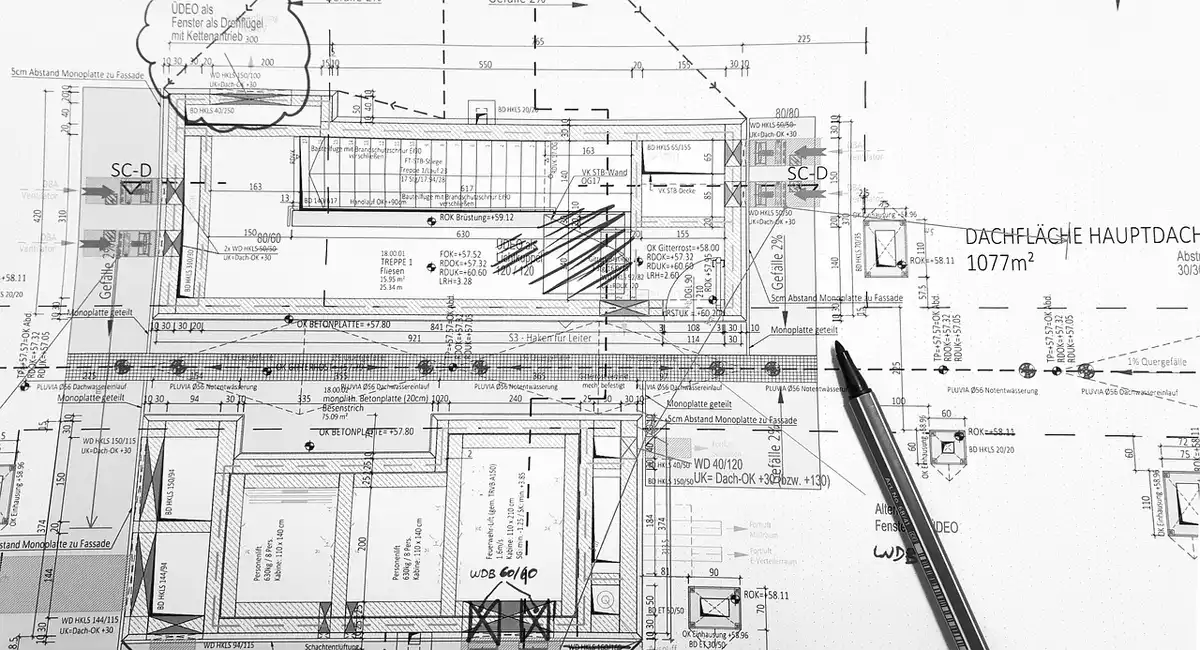
Artificial intelligence is rapidly becoming a cornerstone of architectural innovation, and cloud-based AI tools are making sophisticated analysis and design automation more accessible than ever. Platforms like Spacemaker and TestFit leverage cloud computing to generate optimal site layouts, analyze sunlight and wind patterns, and even suggest material efficiencies, all within minutes. By integrating AI with the cloud, architects can explore hundreds of design iterations simultaneously, identify potential issues early, and make data-driven decisions that improve both aesthetics and functionality. These tools not only save time but also enhance creativity, allowing architects to focus on visionary solutions rather than repetitive calculations.
Cloud-based tools are no longer supplementary but central to modern architectural practice. From BIM platforms and immersive VR experiences to project management systems, cloud rendering, and secure data storage, these solutions enable architects to design more efficiently, collaborate more effectively, and innovate at a scale previously unattainable. Embracing these technologies in 2026 is not just about staying current—it is about positioning architecture as a forward-thinking, agile profession capable of tackling increasingly complex challenges. As the cloud continues to evolve, architects have unprecedented opportunities to enhance creativity, precision, and sustainability, ensuring that their designs not only meet client expectations but also shape the future of the built environment.
Comments on this guide to Cloud-based tools every architect should be using in 2026 article are welcome.
Home Floor Plan
House Floor Plans and Designs
++
Home Articles
Residential Architecture
Comments / photos for the Cloud-based tools every architect should be using guide page welcome.
