Cleaning & Removing After Solving a Drain Issue: 6 Practical Tips
5 November 2025
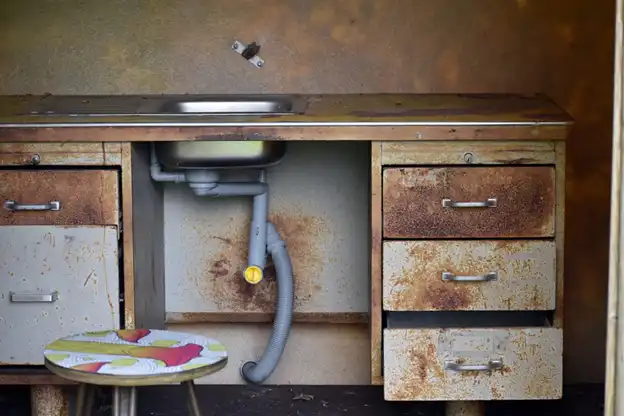
A cleared drain feels like a win, yet the real work starts after the water moves again. Germs, odors, and moisture can linger and create new problems if you rush the cleanup. A careful plan protects your home and your health. The steps below help you handle contaminated water, clean hard and soft surfaces, and prevent mold. You will move faster, make fewer mistakes, and avoid repeat clogs when you follow a structured approach.
Assess Safety Before You Touch Anything
Start with personal protection. Put on gloves, eye protection, and waterproof boots. If splashing seems likely, add a mask rated for particulates. Keep kids and pets out of the area. Shut off power to outlets or appliances that sit near pooled water. Open windows to improve airflow. Bag sharp debris and broken items before you step anywhere near them.
Next, map the affected zones. Track where water traveled, including closets, under cabinets, and behind baseboards. Photograph damage for insurance. Set aside a clean staging area for tools and supplies. Keep contaminated gear separate. Label trash bags and seal them tightly after each work burst. A calm start reduces risk and speeds the rest of the job.
Stop the Source and Move Standing Water Fast
Solve the cause first. Test the drain with a brief run of water and confirm a strong pull at the outlet. If flow stalls, pause and reassess. Call local sewage removal professionals when you face black water, recurring backups, or contamination beyond a small spot. They bring pumps, HEPA filtration, and hospital-grade disinfectants that shorten the path to a safe home. You still play a key role, yet their equipment lowers exposure and speeds drying.
Remove standing water with a wet/dry vacuum or a small transfer pump. Push water away from supply vents and electrical points. Lift rugs, mats, and removable thresholds. Tilt appliances or furniture slightly with blocks to create air gaps beneath feet and frames. Work from the cleanest edge of the mess toward the dirtiest area so you do not track microbes into unaffected rooms.
Deep-Clean Surfaces the Right Way
Clean first, then disinfect. Start with a grease-cutting detergent and warm water on hard, nonporous surfaces. Agitate grime with stiff brushes and wipe sludge into disposable towels. Rinse with clear water. After you remove the film that shields germs, apply a disinfectant rated for norovirus and other enteric pathogens. Follow label dwell times; many products need several minutes on a wet surface to do their job.
Treat soft items based on porosity. Launder machine-washable textiles on a hot cycle. For carpeting and upholstery, extract with a hot water extractor, then apply a fabric-safe disinfectant. If sewage touched drywall, pull and discard sections at least twelve inches above the highest water mark. Never mix bleach and ammonia, as that creates toxic gas. Ventilate during the entire process and take breaks in fresh air.
Clear and Sanitize the Affected Plumbing
Give the plumbing a reset after a backup. Empty and clean P-traps where sludge can settle. Flush branch lines with hot water in short pulses to avoid pressurizing traps. Run a biological drain treatment that uses enzymes to digest organic buildup. These products work best when you use them on a regular schedule and avoid pouring harsh chemicals that kill the helpful cultures.
If roots, grease, or scale caused the clog, schedule a camera inspection. A licensed plumber can show the exact obstruction and recommend hydro-jetting or localized repair. Ask for a report and keep it with your home records. Replace worn toilet wax rings and cracked gaskets that may leak during future surges. Small upgrades today protect flooring, framing, and subfloor from hidden moisture.
Dry Materials to Prevent Mold
Moisture control turns a good cleanup into a lasting fix. Set up box fans to move air across wet surfaces, not straight at a single spot. Add a dehumidifier and run it until readings drop below 50 percent relative humidity. Pull baseboards and drill small relief holes to vent wall cavities. Aim airflow across those openings to clear trapped dampness.
Watch the clock. Mold often begins colonizing wet, porous materials within twenty-four to forty-eight hours, a window highlighted in EPA guidance. Prioritize drywall, insulation, particleboard, and wood trim that stayed damp. If you see staining or smell a musty odor, treat it as an active problem. Bag and discard materials that have lost structural integrity. Dry the space completely before you reinstall trim or move furniture back into place.
Disposal, Odor Control, and Final Checks
Treat disposal like a hygiene step, not an afterthought. Double-bag porous waste and tie tight knots. Wipe the outside of each bag with disinfectant before it leaves the work area. Keep the path to the bin clear so you do not bump walls with contaminated trash. Rinse and sanitize mops, squeegee blades, and vacuum attachments. Replace filters in your wet/dry vac after a sewage event.
Tackle odors with a full sequence. First, remove the source. Second, wash and disinfect. Third, dry to a stable humidity. If a smell lingers, run activated carbon in your air purifier and change the furnace filter. Finish with a checklist: clear drain flow, dry materials, clean HVAC returns, and no visible residue along baseboards. Note service dates, the products you used, and any parts you replaced. Good notes help you spot patterns before they turn into another backup.
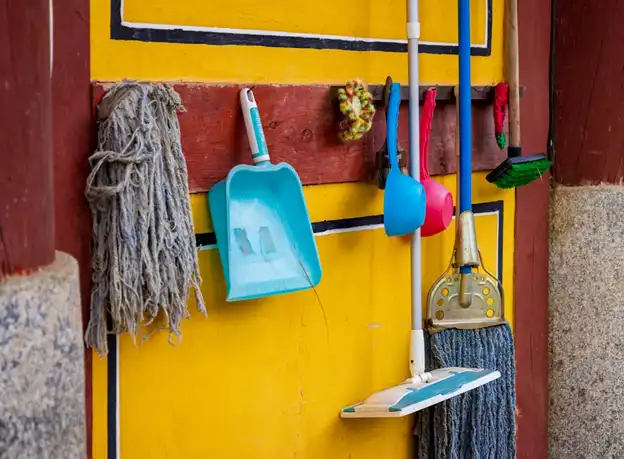
A steady, step-by-step cleanup keeps your home sanitary and odor-free after a drain scare. You controlled the source, removed contaminated water, cleaned and disinfected surfaces, restored the plumbing, dried the structure, and handled waste safely. Keep airflow steady for a few extra days, watch humidity, and schedule a quick plumbing check if anything seems off. That routine protects your home and gives you confidence that the fix will last.
Comments on this guide to Cleaning and removing after solving a drain issue article are welcome.
Blocked Drains
Blocked Drain at Home
Designing resilient paved surfaces

photo source : pixabay.com
How to know when your drains need cleaning
++
Building Design
Residential Architecture Articles
Comments / photos for the Designing resilient paved surfaces with smarter drainage – 6 practical tips page welcome.