
Designing Resilient Paved Surfaces Through Smarter Drainage
post updated 23 August 2026
23 August 2025

image source : pexels.com
In most areas, when water lingers, pavement fails, affecting the economy and safety of your community. That’s why smarter drainage is your hidden strength, shaping longer-lasting roads, lots, and walkways, keeping all your stakeholders happy.
By mastering slope, inlet design, and upkeep, you protect investments, boost safety, and cut future repair costs before they spiral and place you in a hot seat.
Grade It Right for Instant Flow
Whether you’ll install trendy materials like sandstone pavers, you still want grading that sends water away from your pavement right after a storm or incessant outpours. Usually, a 2 percent slope or a 2 feet of vertical drop per 100 feet has to be your standard for parking lots and paved surfaces, so that way, it moves water fast before it pools and cracks your location’s surfaces. It’s also a known result that without proper slope and crown, water sits, weakens your base, and soon you are patching cracks that ruin your installations and budget.
Keep Your Inlets and Sub-base Talking
You rely on your drainage inlets and sub-surface layers to do the heavy lifting, especially when outpours come in. Experts say a solid plan needs to match your drained area size, its nearby terrain slope, and soil traits.
For real longevity, you can add a highly permeable layer right under the pavement with collector pipes to whisk most water away, not just the outflows. It can be a simple design that pays off, with fewer repairs and a much stronger structure installation.
Consider Asphalt Drainage in System Maintenance
You may need to consider using asphalt drainage maintenance systems (americanasphaltcompany.com – forbidden link, removed 2 Nov 2025) to make sure your pavements are always safe and reliable, like waterproofing shoulders or grading them to push water off the pavement fast. You can also monitor joints between asphalt and curbs so you avoid more water seeping right through.
Over time, those joints can open up and let moisture in under your surfaces; that’s why you need some smart fixes now to save thousands of dollars later.
Go Green with Permeable Pavements
You may think paved ways always block water, but breaking that mold may be best. Today, porous asphalt, pervious concrete, or interlocking permeable pavers can let water drain through right into the base and soil. This often stops runoff, filters pollutants, recharges groundwater, and cuts urban flooding helpfully. Want cleaner cities and long-lasting surfaces? This is your sure ticket to sturdier byways.
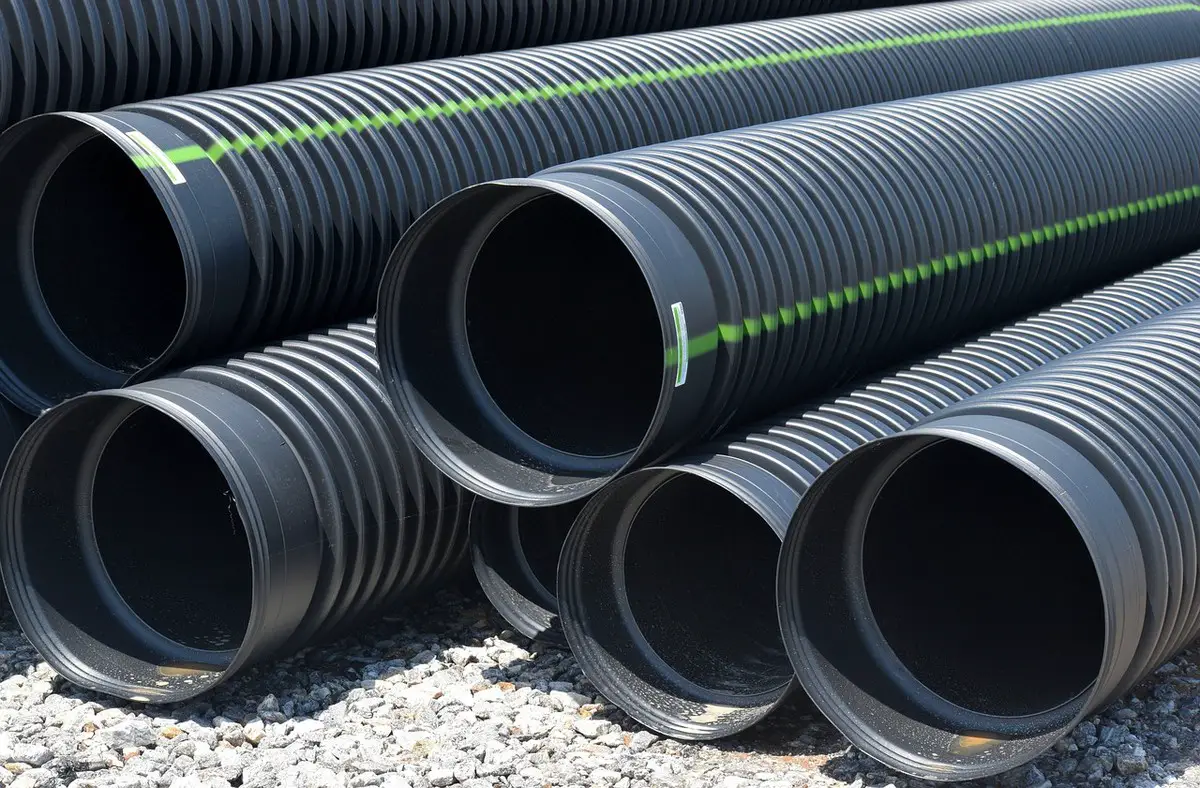
photo source : pixabay.com
Hedge Your Bets by Planning for Climate, Not the Past
Most often, old drainage methods assume past rain patterns hold, which could be quite risky, especially when storms get stronger, increasing water strength. Some recent studies offer a risk-based framework that can efficiently blend climate model projections with local vulnerability to define future-proof design pavements.
You can use this method to size pipes and slopes now for heavy water flows brought by extreme weather conditions that can now be projected decades ahead. It’s the best way to keep your paved surfaces stronger and safer from today onwards.
Watch the Whole System with Simple Materials
There are actually a lot of basic tools like geotextile filters, HDPE pipes, and simple trenches lined with gravel to help you nail reliability. They can help keep dirt from clogging your drains and let water flow cleanly, avoiding clogs or overflows. Today, modern prefabricated filters are cheap to install, yet their control performance can usually be relied upon for a long time. This way, your maintenance becomes easier, and your surfaces last longer.
photo : pixabay.com
Wrap-up: Routine Maintenance Pays Off
When you believe that resilient pavements start with resilient drainage, you’d be grading wisely, maintaining joints, planning for storms ahead, securing safer surfaces, and lowering your overall costs.
Small, steady care today is sure to keep your asphalt strong tomorrow, turning routine drainage into lasting protection that can help build your reputation.
Comments on this guide to Designing resilient paved surfaces with smarter drainage article are welcome.
Blocked Drains
Blocked Drain at Home
How to know when your drains need cleaning
Do-it-yourself drain solutions
++
Building Design
Residential Architecture Articles
Comments / photos for the Designing resilient paved surfaces with smarter drainage page welcome.


