
Buying Architect-Designed Homes: What Buyers and Real Estate Professionals Should Evaluate
6 January 2026

Architect-designed homes can offer exceptional daylighting, thoughtful circulation, material quality, and long-term livability. They can also introduce complexity that is easy to miss in a standard home inspection or typical buying checklist.
Custom details, non-standard assemblies, specialty glazing, and unique structural systems can affect maintenance, insurance, renovations, and resale. This guide outlines what buyers and real estate professionals should evaluate, with a practical, step-by-step approach that applies across the USA and Canada.
Define the Architectural Intent and How You Will Live in the Home
Before focusing on finishes or brand names, clarify what makes the home architect-designed and whether that design serves your daily use. Many architect-led projects prioritize experience: how you move through spaces, how light changes through the day, how private and public zones are separated, and how the home connects to the site.
Start with a lifestyle review:
- Circulation and flow: Are the main routes intuitive or overly choreographed? Dramatic staircases and long hallways can be beautiful, but they should not reduce functionality.
- Natural light and glare control: Large glazing can deliver views and daylight, but also overheating and privacy concerns. Ask how the home performs in summer and winter, and whether shading is passive (overhangs) or active (blinds, screens).
- Acoustics: Open plans, polished concrete, and expansive glass can create reverberation. Consider whether acoustic panels, rugs, or soft finishes were planned or retrofitted.
- Privacy and sightlines: Modern designs can expose living areas to neighbors or streets. Walk the perimeter and check the relationship between glazing and adjacent properties.
For professionals supporting the purchase, it helps to present the process as risk-managed due diligence rather than aesthetics. In this context, a real estate agent for buying a luxury architecture home can coordinate the right specialists and keep the timeline realistic without treating the home like a typical commodity transaction.
Verify Documentation: Plans, Permits, Approvals, and Warranty Trail
Architect-designed homes often have a deeper paper trail than typical houses. That documentation is not just nice to have. It can reduce risk.
Request and review:
- As-built drawings and specifications: If available, these help confirm what was actually built, not just what was designed.
- Building permits and inspection sign-offs: Confirm final occupancy approvals and any required inspections for structural, electrical, plumbing, and HVAC work.
- Certificates and reports: Energy modeling, blower door results, commissioning reports, or structural letters can demonstrate performance and compliance.
- Warranties and service records: Roofing, specialty windows, cladding systems, and mechanical equipment often have warranty conditions tied to professional installation and maintenance schedules.
Practical reality differs by jurisdiction.
- In the USA, permitting is typically managed at the city or county level, and records access varies. Some municipalities provide online permit portals; others require formal requests.
- In Canada, processes also vary by municipality and province, and buyers may need to request records through local building departments. For condominium-like settings or planned communities, additional design guidelines may apply.
If records are incomplete, do not assume the home is defective. Treat it as a due diligence gap. Price, conditions, or timelines may need to be adjusted to allow further verification.
Evaluate the Building Envelope: Roof, Walls, Windows, and Moisture Control
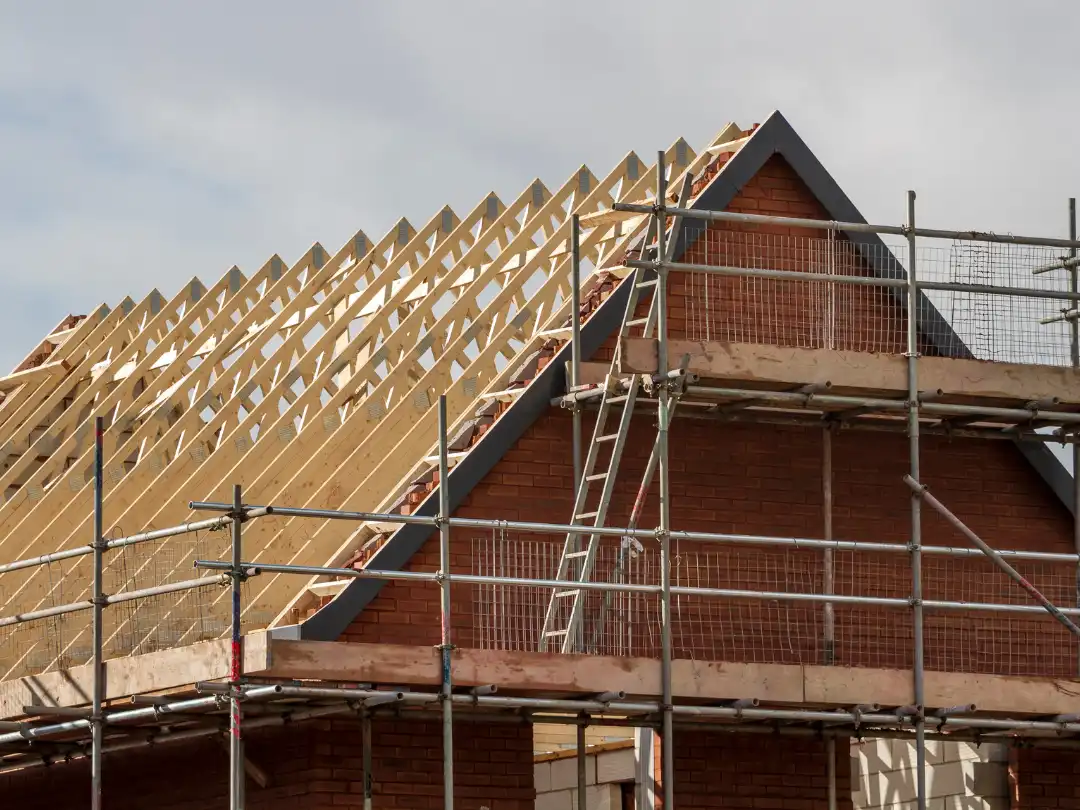
The building envelope is where many architect-designed homes either shine or create long-term cost surprises. Unique detailing can increase the risk of water intrusion if flashing, transitions, or drainage were not executed precisely.
Key items to assess:
- Roof geometry and drainage: Flat and low-slope roofs are common in modern design. They can perform well when properly built and maintained, but they demand disciplined drainage design and regular inspection. Ask about membrane type, slope to drains, overflow provisions, and service history.
- Wall assemblies: High-end cladding (wood rainscreens, fibre cement, metal panels, masonry veneers) depend on correct detailing behind the visible finish. Confirm the presence of drainage planes, rainscreen gaps, weeps, and ventilation paths.
- Thermal bridging: Steel canopies, exposed structural elements, and continuous balcony slabs can create heat loss and condensation risk. In cold climates across Canada and the northern USA, this is especially important.
- Window and door performance: Large-format glazing can be high performance or a weak spot. Ask for manufacturer details and ratings where available. Verify operability, seals, and evidence of condensation or water staining around frames.
A practical approach:
- Walk the exterior after rainfall if possible, or look for staining, efflorescence, or peeling finishes.
- Inspect inside corners around windows and ceilings for discoloration or musty odors.
- Ask for a moisture scan as part of the inspection when the envelope is complex.
Understand Structural System and Specialty Engineering
Architect-driven homes often include longer spans, cantilevers, open stair designs, and large glazing walls. These features can be safe and durable, but they rely on engineering, correct installation, and sometimes ongoing monitoring.
What to check:
- Structural design and modifications: Confirm whether changes were made after construction. Removing walls, widening openings, or adding heavy finishes can affect performance.
- Movement and cracking: Some cracking is normal in many materials, but patterns matter. Horizontal cracks, stepped masonry cracks, or doors that bind can signal movement that warrants evaluation.
- Foundation and site drainage: Even a well-designed house can suffer if grading, downspouts, and drainage are poor. Verify that water is directed away from the foundation, and ask about sump systems if present.
- Seismic and wind considerations: In parts of the USA and Canada, wind loads or seismic design may influence bracing and connections. Documentation and inspection can confirm compliance.
For higher-risk structural questions, consider a structural engineer’s site visit rather than relying only on a general inspection.
Mechanical Systems: Comfort, Efficiency, and Maintainability
Many architect-designed homes include advanced HVAC strategies and high-performance targets. That can translate into comfort and efficiency, but only if systems are sized, commissioned, and maintained correctly.
Evaluate:
- HVAC type and zoning: Radiant heat, heat pumps, VRF systems, or dedicated outdoor air systems can be excellent, but they require specialized service. Confirm local service availability.
- Ventilation: Airtight homes depend on balanced ventilation. Ask whether the home uses HRV/ERV ventilation and whether filters and cores have been maintained.
- Controls and automation: Smart systems can be helpful or frustrating. Verify that you can access controls and that manuals and login credentials will be transferred at closing.
- Noise and placement: Mechanical rooms placed near bedrooms or living areas can create sound issues. Listen during the operation.
If utility bills are available, review at least 12 months where possible to understand seasonal performance in the local climate.
Materials, Craft, and Lifecycle Costs
Architect-designed homes often use premium materials, but premium does not always mean low maintenance.
Key considerations:
- Exterior wood: Beautiful but maintenance-heavy. Confirm whether it is a naturally durable species, thermally modified, or treated, and what the sealing schedule is.
- Concrete and stone: Durable, but check for signs of cracking, spalling, and inadequate moisture management. In freeze-thaw regions in Canada and the northern USA, exterior detailing is critical.
- Custom millwork and hardware: Replacement and repairs can be costly. Identify what is off-the-shelf versus custom-fabricated.
- Sustainability claims: Look for third-party documentation if the home is marketed as net-zero, Passive House, LEED, or a similar certification. Even without certifications, good evidence includes energy reports, airtightness tests, and equipment specs.
A smart practice is to build a “first-year ownership plan” that includes an envelope check, HVAC service, and a maintenance calendar.
Renovation and Resale Implications
Buyers often assume custom homes are easy to renovate because they are newer or higher-end. In reality, design coherence and specialized assemblies can make changes more expensive and more constrained.
For renovations:
- Confirm whether the home is subject to design guidelines, heritage constraints, or community covenants.
- Identify load-bearing elements and critical waterproofingtransitions before planning changes.
- Plan for matching materials. If the cladding or flooring is discontinued, patches may stand out.
For resale:
- Unusual layouts can limit buyer pools even if the design is admired.
- Documented performance and maintenance records can become a resale advantage.
- Appraisals can be challenging where comparable sales are limited. In both the USA and Canada, unique properties may require more time for valuation and buyer education.
Practical Due Diligence Checklist
Use this workflow to keep the purchase process structured:
- Request documentation (permits, as-builts, specs, warranties, service records).
- Hire an inspector experienced with modern or custom construction.
- Add specialist visits as needed (roofing contractor, window specialist, structural engineer, HVAC technician).
- Review operating costs and maintenance requirements.
- Confirm insurability and replacement cost estimates early.
- Align the financing timeline with appraisal complexity.

Architect-designed homes can deliver long-term satisfaction when the design intent, envelope performance, structural logic, and mechanical systems are understood and verified. Buyers benefit from treating the process as technical due diligence rather than purely aesthetic selection. Real estate professionals add value by organizing the right experts, managing documentation, and translating design complexity into clear, decision-ready information.
Comments on this guide to Buying Architect-Designed Homes: What Buyers and Real Estate Professionals Should Evaluate article are welcome.
Home Articles
Residential Architecture
Real Estate
Real Estate Posts
Should You Move Your Real Estate Investment To Canada
How to find and buy a suitable condo in Canada
Comments / photos for the Buying Architect-Designed Homes: What Buyers and Real Estate Professionals Should Evaluate page welcome
